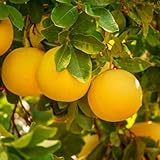
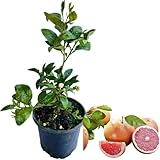
Imagine biting into a perfectly ripe, juicy grapefruit, bursting with that signature sweet-tart flavor. For many of us, this delightful experience starts with a question: how long can we expect a grapefruit tree to grace our gardens and provide this citrusy goodness?
The lifespan of a grapefruit tree is a fascinating topic, influenced by a blend of its genetic makeup, the environment it’s grown in, and the care it receives. Understanding these factors can help you nurture your tree for maximum fruit production and longevity.
Whether you’re a seasoned orchardist or a curious home gardener, this guide will delve into the typical life expectancy of a grapefruit tree, explore what makes some trees thrive for decades while others falter, and offer insights into how you can contribute to a long and fruitful life for your own citrus companion.
The Lifespan of a Grapefruit Tree: A Comprehensive Look
When considering the longevity of any fruit tree, especially a citrus variety like the grapefruit, it’s important to recognize that there isn’t a single, definitive number. Instead, a range exists, and many variables play a crucial role in determining how long a grapefruit tree will live and remain productive. Generally, you can expect a well-cared-for grapefruit tree to live for several decades, often reaching 50 to 70 years, and in some exceptional cases, even longer.
Factors Influencing Grapefruit Tree Lifespan
Several interconnected elements contribute to the overall health and lifespan of a grapefruit tree. Understanding these can empower you to provide the best possible environment for your tree to flourish.
1. Genetics and Variety
Just like different dog breeds have varying life expectancies, different grapefruit varieties can exhibit slightly different lifespans. While the core genetic predispositions are similar for most grapefruit trees, some cultivars might be more robust or susceptible to certain diseases. For instance, hybrid varieties might inherit traits that enhance their resilience. However, the fundamental citrus family traits generally point towards a long-lived tree. (See Also: How to Grow Fig Tree From Seed: A Comprehensive Guide)
2. Rootstock
Most commercially grown and many home-grown citrus trees, including grapefruits, are grafted. This means the scion (the part of the tree that produces the fruit – in this case, the grapefruit) is attached to the root system of another plant, known as the rootstock. The rootstock is chosen for its adaptability to soil conditions, disease resistance, and its influence on the tree’s vigor and ultimate size. A compatible and healthy rootstock is fundamental to the tree’s long-term survival. Some rootstocks are known to promote greater longevity and disease resistance in citrus trees.
3. Climate and Environmental Conditions
Grapefruit trees are subtropical plants and thrive in specific conditions. They are sensitive to frost and extreme cold. Consistently cold temperatures can damage or kill a grapefruit tree, significantly shortening its lifespan. The ideal climate features warm summers and mild winters, with temperatures rarely dipping below freezing for extended periods. Areas with sandy, well-draining soil are also crucial, as citrus trees are highly susceptible to root rot in waterlogged conditions.
- Temperature: Ideal temperatures range from 70-85°F (21-29°C). Frost can be detrimental.
- Sunlight: Grapefruit trees require at least 6-8 hours of direct sunlight daily for optimal growth and fruit production.
- Rainfall: Consistent moisture is needed, but good drainage is paramount.
4. Soil Health and Drainage
The quality of the soil is a cornerstone of a tree’s health. Grapefruit trees prefer slightly acidic to neutral soil (pH 5.5 to 7.0) that is rich in organic matter and, most importantly, well-draining. Poor drainage leads to root suffocation and the development of fungal diseases like Phytophthora root rot, which can be fatal. Amending heavy clay soils with compost and sand can improve drainage. Regular soil testing can help identify and correct any nutrient deficiencies.
5. Water Management
Consistent and appropriate watering is vital. Young trees require more frequent watering to establish a strong root system. Mature trees are more drought-tolerant but still need adequate water, especially during dry spells and fruiting periods. Overwatering is as detrimental as underwatering, as it can lead to root rot. The key is to allow the soil to dry slightly between waterings. Mulching around the base of the tree helps retain soil moisture and regulate soil temperature.
6. Pest and Disease Management
Like all plants, grapefruit trees are susceptible to various pests and diseases. Common issues include citrus greening (Huanglongbing), citrus black spot, aphids, scale insects, and spider mites. Early detection and prompt, appropriate treatment are crucial for preventing widespread damage that can weaken the tree and shorten its life. Integrated Pest Management (IPM) strategies, which combine cultural, biological, and chemical controls, are often the most effective approach. (See Also: How to Remove Tree Sap From Cars Safely and Effectively)
7. Pruning and Care
Proper pruning is essential for maintaining the tree’s health, shape, and productivity. It involves removing dead, diseased, or crossing branches, as well as thinning the canopy to improve air circulation and light penetration. Over-pruning or improper pruning techniques can stress the tree and make it more vulnerable to pests and diseases. Regular fertilization, tailored to the tree’s needs and the soil type, also plays a significant role in its vigor and longevity.
8. Rootstock Health
As mentioned earlier, the rootstock is the foundation of the grafted tree. If the rootstock is compromised by disease, pests, or unsuitable soil conditions, the entire tree will suffer. Some rootstocks are more susceptible to certain soil-borne diseases or nematodes than others. Choosing a tree on a resilient rootstock is a proactive step towards ensuring a longer lifespan.
Stages of a Grapefruit Tree’s Life
A grapefruit tree goes through distinct stages, each with its own characteristics and care requirements:
- Seedling/Young Tree (0-3 years): This is a critical establishment phase. The focus is on developing a strong root system and a sturdy trunk. Fruit production is minimal or non-existent during this period. Careful watering, protection from extreme weather, and initial shaping are key.
- Juvenile/Non-bearing Stage (3-7 years): The tree grows rapidly, developing its canopy. While it may produce a few fruits, they are often of lower quality and quantity. The tree is still focusing its energy on vegetative growth.
- Mature/Fruiting Stage (7+ years): This is the prime period for fruit production. The tree is well-established, and its canopy is dense. With proper care, it will produce abundant, high-quality grapefruits for many years. This stage can last for several decades.
- Senescence/Decline (50+ years, variable): Like all living organisms, trees eventually enter a phase of decline. Production may decrease, the tree may become more susceptible to diseases, and its growth rate slows. However, even in decline, a well-managed tree can still provide fruit and ornamental value.
Signs of a Healthy, Long-Lived Grapefruit Tree
Observing your grapefruit tree regularly can help you gauge its health and predict its potential lifespan. Signs of a thriving tree include:
- Vigorous new growth with healthy, green leaves.
- Abundant flowering and fruit set.
- A strong, upright trunk and well-formed canopy.
- Resistance to common pests and diseases.
- Consistent, good-quality fruit production year after year.
When Might a Grapefruit Tree Die Prematurely?
Several factors can lead to a premature demise of a grapefruit tree: (See Also: How Does a Tree Get on the Internet? Unveiling the)
- Severe Frost Damage: Prolonged exposure to freezing temperatures can kill the tree.
- Root Rot: Poor drainage leading to waterlogged soil is a common killer.
- Aggressive Diseases: Untreated Citrus Greening or other serious diseases can decimate a tree.
- Physical Damage: Mechanical damage to the trunk or roots from mowers, construction, or severe storms.
- Extreme Drought: Prolonged periods without adequate water, especially for young trees.
- Nutrient Deprivation: Severe lack of essential nutrients can weaken the tree over time.
Maximizing Your Grapefruit Tree’s Lifespan
To ensure your grapefruit tree lives as long and produces as well as possible, focus on these key practices:
- Choose the Right Location: Plant in a sunny spot with excellent drainage and protection from harsh winds and frost.
- Select a Healthy Tree: Opt for a tree grafted onto a disease-resistant rootstock from a reputable nursery.
- Proper Planting: Ensure the graft union is above the soil line and the tree is planted at the correct depth.
- Consistent Watering: Water deeply and regularly, allowing the soil to dry slightly between waterings.
- Balanced Fertilization: Use a citrus-specific fertilizer according to package directions, typically in spring, summer, and fall.
- Regular Pruning: Remove dead, damaged, or crossing branches to maintain tree health and structure.
- Mulching: Apply a layer of organic mulch around the base (keeping it away from the trunk) to retain moisture and suppress weeds.
- Pest and Disease Monitoring: Regularly inspect your tree for any signs of trouble and act quickly if issues arise.
- Protect from Cold: In cooler climates, use frost cloths or other protective measures during cold snaps.
Grapefruit Trees in Different Climates
The geographical location and associated climate have a profound impact on how long a grapefruit tree can survive. In their native subtropical environments, such as Florida, California, Texas, and Arizona in the United States, or in Mediterranean climates, grapefruit trees can reach their full potential lifespan. These regions offer the consistent warmth and lack of hard freezes that citrus trees require.
In contrast, attempting to grow grapefruit trees in regions with significant freezing temperatures presents a major challenge. While dwarf varieties or container-grown trees might be brought indoors during winter, this is a management-intensive approach. Outdoor trees in such climates are at constant risk, and their lifespan will be severely limited by the severity and duration of cold spells. Even with protection, repeated cold damage can weaken the tree over time, making it more susceptible to other problems.
The Economic Lifespan vs. Biological Lifespan
It’s also worth distinguishing between a tree’s biological lifespan and its economic lifespan. A tree’s biological lifespan is its maximum potential life. Its economic lifespan, however, refers to the period during which it produces fruit in commercially viable quantities and quality. For a grapefruit tree, the economic lifespan might be shorter than its biological lifespan. A tree might continue to live for many years after its fruit production has significantly declined or the fruit quality is no longer desirable for commercial sale. For home gardeners, however, the focus is often on enjoying the tree’s presence and its fruit for as long as it remains healthy and productive, regardless of commercial standards.
Conclusion
a well-maintained grapefruit tree can live for an impressive 50 to 70 years, with some specimens exceeding this considerably. The key to such longevity lies in providing optimal growing conditions, including the right climate, well-draining soil, and consistent care. Factors like genetics, rootstock choice, diligent pest and disease management, and proper watering and fertilization all contribute significantly. By understanding and addressing these elements, you can help ensure your grapefruit tree thrives for decades, offering delicious fruit and enhancing your landscape for years to come.
Recommended Products