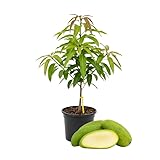
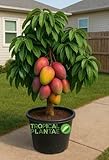
You’ve just planted a beautiful grafted mango tree, envisioning sun-ripened fruit gracing your table. The anticipation is palpable, isn’t it? But a crucial question lingers: how long will it actually take for those sweet, juicy mangoes to appear?
Understanding the timeline is key to managing expectations and providing the best care for your young tree. Grafted varieties are specifically chosen for their desirable fruit characteristics and, importantly, their accelerated fruiting potential compared to seedling trees. This means you’re on a faster track to enjoying your harvest.
Let’s unearth the factors influencing this fruiting timeline and what you can expect as your grafted mango tree matures.
Unpacking the Grafted Mango Tree Fruiting Timeline
The most common question for any new mango enthusiast is undoubtedly: how long does a grafted mango tree take to fruit? The answer, while generally favorable compared to seed-grown trees, isn’t a single, fixed number. It’s a spectrum influenced by several interconnected factors. However, for a healthy, well-cared-for grafted mango tree, you can typically expect to see your first fruits within 1 to 3 years after planting.
The Grafting Advantage: Why It Speeds Things Up
Before diving into the specifics, let’s appreciate why grafting is so revolutionary for mango cultivation. Seedling mango trees can take anywhere from 5 to 10 years, sometimes even longer, to produce fruit, and even then, the fruit quality can be unpredictable. Grafting bypasses this lengthy juvenile phase.
Here’s how it works:
- Scion: This is a cutting taken from a mature, fruit-bearing mango tree of a specific, desirable variety (e.g., Ataulfo, Tommy Atkins, Kent).
- Rootstock: This is the root system, usually from a vigorous seedling mango tree.
By joining the scion to the rootstock, the young grafted tree essentially inherits the mature characteristics of the scion, including its ability to flower and fruit much sooner. It’s like giving your young tree an “adult” start.
Key Factors Influencing Fruiting Time
While grafting sets the stage, several elements play a significant role in determining precisely when your tree will start bearing fruit:
1. Variety of Mango
Different mango varieties have inherently different fruiting habits. Some are known for their precocity (early fruiting), while others might take a little longer to establish before they begin producing. (See Also: How Long to Grow Peach Tree From Seed: A Patient…)
- Early Fruiting Varieties: Varieties like ‘Cogshall’ or ‘Julie’ are often cited as being among the earliest to produce, sometimes even within the first year if conditions are perfect and the graft is mature.
- Mid-Season Fruiting Varieties: Many popular commercial varieties, such as ‘Tommy Atkins’ or ‘Haden’, typically fall into the 2-3 year window.
- Later Fruiting Varieties: While less common in grafted trees intended for quick fruit, some varieties might lean towards the 3-year mark or slightly beyond before consistently bearing.
Always check the specific characteristics of the mango variety you’ve purchased. Reputable nurseries will often provide this information.
2. Health and Vigor of the Tree
A strong, healthy tree is a happy tree, and a happy tree is more likely to fruit sooner. This encompasses several aspects of care:
- Rootstock Vigor: The health and compatibility of the rootstock are paramount. A robust root system will support faster growth and earlier fruiting.
- Graft Union Success: A clean, well-healed graft union is crucial. If the graft hasn’t fully taken or shows signs of stress, it can delay fruiting.
- Overall Tree Health: This includes freedom from pests and diseases, adequate nutrition, and proper watering. A stressed tree will prioritize survival over reproduction (fruiting).
3. Planting Site and Environmental Conditions
Where you plant your grafted mango tree is as important as the tree itself. Mangoes are tropical to subtropical plants and thrive in specific conditions:
- Sunlight: Mango trees need full sun – at least 6-8 hours of direct sunlight per day. Insufficient light can significantly hinder growth and delay flowering.
- Soil Drainage: Excellent drainage is non-negotiable. Mango roots are susceptible to rot in waterlogged soil.
- Climate: Mangoes prefer warm climates. Frost is detrimental. Consistent warm temperatures promote active growth and flowering. Extreme heat or prolonged cold spells can stress the tree and delay its fruiting cycle.
- Wind Protection: Young trees can be vulnerable to strong winds, which can damage branches and foliage, setting back their development.
4. Age of the Scion Wood
While grafting short-circuits the juvenile phase, the age of the scion wood itself plays a minor role. Scions taken from trees that are already mature and have a history of fruiting will generally be more eager to produce than those from very young, pre-fruiting parent trees. Nurseries typically use scion wood from established, productive trees.
5. Pruning and Training
How you prune and train your young mango tree can influence its development and, consequently, its fruiting time. While heavy pruning should be avoided in the first couple of years, strategic pruning can encourage a strong branching structure, which is essential for supporting future fruit loads.
- Initial Training: Focus on establishing a sturdy central leader and well-spaced scaffold branches.
- Encouraging Bushiness: Pinching back the terminal buds of new shoots can encourage a bushier growth habit, providing more potential fruiting sites.
Avoid pruning off potential flowering wood. Mangoes typically flower on terminal branches of the current season’s growth.
6. Fertilization and Nutrition
Proper nutrition is vital for a young tree to reach maturity and begin fruiting. However, the type and timing of fertilization are critical.
- Balanced Fertilizers: In the early years, focus on balanced fertilizers that promote vegetative growth (nitrogen) and overall health.
- Phosphorus and Potassium: As the tree approaches fruiting age, a slight increase in phosphorus and potassium can encourage flowering and fruit set.
- Avoid Over-Fertilizing: Excessive nitrogen can lead to lush foliage at the expense of flowers and fruit.
It’s best to follow a fertilization schedule recommended for young mango trees in your specific climate and soil type. Soil testing can also guide your fertilization strategy. (See Also: How to Grow a Calamansi Tree: Your Complete Guide)
What to Expect in the First Few Years
Let’s break down a typical progression:
- Year 1: If conditions are ideal and you have a very precocious variety, you might see a few scattered flowers, and perhaps even a single fruit. Don’t be discouraged if it doesn’t mature or if you choose to remove it to allow the tree to focus on growth. The primary goal this year is establishment.
- Year 2: This is often the year where you’ll see a more significant flowering event. You might get a small to moderate crop of fruit. These fruits will likely be smaller than what a mature tree produces, but they are a fantastic sign of success!
- Year 3: By year three, your grafted mango tree should be well-established and capable of producing a more substantial harvest. The fruits will be closer to the expected size and quality for the variety.
When to Be Concerned About Delayed Fruiting
While patience is a virtue, there are times when delayed fruiting might indicate an underlying issue. If your grafted mango tree is 4-5 years old and shows no signs of flowering or fruiting, it’s worth investigating:
- Insufficient Sunlight: Is the tree getting at least 6-8 hours of direct sun?
- Poor Drainage: Are you experiencing waterlogging after rain?
- Pest or Disease Issues: Are there visible signs of infestation or disease affecting the tree’s health?
- Incorrect Fertilization: Is the tree receiving too much nitrogen or lacking essential nutrients?
- Extreme Climate Conditions: Has the tree been subjected to prolonged periods of unseasonable cold or drought?
- Graft Failure: Though less likely if the tree is growing, a poorly healed graft can still be an issue.
Consulting with a local horticulturalist or a seasoned mango grower can provide valuable insights if you suspect a problem.
Maximizing Your Chances for Early and Abundant Fruiting
To encourage your grafted mango tree to fruit as soon as possible and to ensure good yields:
- Choose the Right Variety: Select a variety known for early fruiting and suitability to your climate.
- Optimal Planting Location: Full sun, well-drained soil, and protection from harsh winds are critical.
- Consistent Watering: Especially during dry periods, ensure your tree receives adequate water.
- Appropriate Fertilization: Follow a feeding schedule that supports growth and then encourages flowering.
- Monitor for Pests and Diseases: Early detection and treatment are key to maintaining tree health.
- Minimal Pruning (Initially): Allow the tree to establish a strong structure before engaging in significant pruning.
- Patience and Observation: Each tree is an individual. Observe its growth patterns and respond accordingly.
By providing the right conditions and care, you’ll be well on your way to enjoying the sweet rewards of your grafted mango tree sooner rather than later. The journey from planting to first harvest is an exciting part of the gardening experience, and with grafted trees, that journey is considerably shorter.
Understanding Mango Flowering and Fruiting Cycles
Mango trees typically flower once or twice a year, depending on the variety and climate. The flowering period is usually triggered by a period of dry weather followed by rain, or a slight temperature drop.
- Flowering: The small, often fragrant flowers appear on terminal panicles. This process can take several weeks.
- Pollination: Mango flowers are primarily pollinated by insects, especially flies and bees. A healthy population of pollinators in your garden is beneficial.
- Fruit Set: After successful pollination, the tiny fruit begins to develop. Some flower drop is natural, but excessive drop can indicate pollination issues or stress.
- Fruit Development: The time from fruit set to maturity varies greatly by variety, typically ranging from 3 to 6 months.
Understanding this cycle helps you anticipate when to expect flowers and, subsequently, fruit. It also highlights the importance of maintaining tree health throughout the year, as stress during any of these stages can impact the final harvest.
Comparing Grafted vs. Seedling Mango Trees for Fruiting
To truly appreciate the speed of grafted trees, a direct comparison with seedling mangoes is illuminating: (See Also: How Much Water Do You Give a Christmas Tree?)
| Characteristic | Grafted Mango Tree | Seedling Mango Tree |
|---|---|---|
| Time to First Fruit | 1-3 years | 5-10+ years |
| Fruit Quality | True to parent variety (predictable) | Variable; may not be true to parent (unpredictable) |
| Vigor and Growth Habit | Influenced by rootstock and scion; often more manageable size | Can be very vigorous; size unpredictable |
| Disease Resistance | Can be influenced by rootstock selection | Variable |
This table clearly illustrates the significant advantage of choosing a grafted tree if your primary goal is to harvest mangoes in a reasonable timeframe and with guaranteed quality.
The Role of Climate and Seasonality
Your local climate is perhaps the most unchangeable factor, yet it dictates the pace of your mango tree’s development and fruiting. Mangoes thrive in warm, sunny environments with distinct wet and dry seasons.
- Tropical Climates: In ideal tropical zones, mango trees grow vigorously year-round, and fruiting can be more consistent, often with two crops per year for some varieties.
- Subtropical Climates: In subtropical regions, growth may slow during cooler months, and fruiting might be more seasonal. Frost protection is crucial for young trees.
- Temperate Climates (with protection): If you are in a marginal climate, you’ll need to provide significant protection (e.g., greenhouses, frost cloths) which can impact overall tree health and fruiting potential.
The timing of your planting also matters. Planting at the beginning of the warm, rainy season allows the tree to establish its root system and begin vigorous growth, setting the stage for earlier fruiting.
Troubleshooting: Why Isn’t My Grafted Mango Fruiting?
If your grafted mango tree is past the typical 1-3 year window and isn’t fruiting, here’s a checklist:
- Sunlight Assessment: Re-evaluate the light exposure. Is it truly getting 6-8 hours of direct sun? Nearby trees may have grown larger.
- Watering Habits: Are you over or under-watering? Mangoes prefer consistent moisture but hate soggy feet.
- Nutrient Deficiencies: Consider a soil test. A lack of phosphorus or potassium can inhibit flowering.
- Stress Factors: Has the tree experienced significant drought, extreme heat, or cold snaps?
- Pest/Disease Check: Look closely at leaves, stems, and roots for any signs of trouble.
- Pruning Errors: Did you accidentally prune off the branches that would have flowered?
Sometimes, simply adjusting one or two of these factors can coax a reluctant tree into producing. If problems persist, seeking expert advice is the best course of action.
The Joy of the First Harvest
The moment your grafted mango tree produces its first fruit is incredibly rewarding. It’s a testament to your care and the inherent potential of the grafted tree. Even if the first few fruits are small or not perfectly formed, savor the experience. It signifies that your tree has reached a significant milestone, and future harvests will likely be even better.
Remember, the goal is not just to get fruit, but to enjoy the process of nurturing a tree that will provide delicious fruit for years to come. The early fruiting of a grafted tree simply shortens the wait for that delightful culmination.
Conclusion: Patience and Proper Care Yield Early Mangoes
So, how long does a grafted mango tree take to fruit? Generally, you can anticipate your first taste of homegrown mangoes within 1 to 3 years after planting. This accelerated timeline is the hallmark of grafting, bypassing the long juvenile phase of seedling trees. Success hinges on selecting a suitable variety, ensuring optimal planting conditions with ample sunlight and excellent drainage, and providing consistent care through proper watering and balanced fertilization. While environmental factors and tree health play crucial roles, a well-managed grafted mango tree will reward your efforts with delicious fruit much sooner than you might think.
Recommended Products