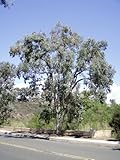
Eucalyptus trees, with their distinctive aromatic leaves and rapid growth, are a familiar sight in many landscapes, particularly in Australia. These iconic trees are known for much more than just their pleasant scent and ability to be coppiced for timber. One of the most frequently asked questions about these versatile giants is about their longevity. How long can a eucalyptus tree truly live?
The answer isn’t a simple one-size-fits-all. Like many living organisms, the lifespan of a eucalyptus tree is influenced by a complex interplay of factors. From the specific species to the environmental conditions it endures, each element plays a crucial role in determining how many years this magnificent tree will grace our planet.
The Diverse Lifespans of Eucalyptus Species
The Eucalyptus genus is incredibly diverse, boasting over 700 species, and this variety significantly impacts their typical lifespans. Some species are remarkably short-lived, while others can endure for centuries, making generalizations challenging. Understanding the specific species is the first step in determining how long a eucalyptus tree lives.
Fast-Growing Pioneers and Their Shorter Lives
Many of the eucalyptus species most commonly cultivated for timber or pulp production are known for their rapid growth. These trees are often selected for their ability to reach harvestable size in a relatively short period, typically between 10 to 30 years. While they can technically live longer, their economic lifecycle is often cut short. Species like Eucalyptus globulus (Tasmanian Blue Gum) and Eucalyptus grandis (Flooded Gum) can live for 100-200 years if left to mature naturally, but in managed plantations, their lifespan is determined by harvest cycles.
The Enduring Giants: Long-Lived Eucalyptus
Conversely, some eucalyptus species are renowned for their impressive longevity. These are the true elders of the eucalyptus world, often found in ancient forests and protected areas. Species like Eucalyptus regnans (Mountain Ash), one of the tallest flowering plants on Earth, can live for over 400 years. Even more remarkable are certain individuals of species such as Eucalyptus camaldulensis (River Red Gum), which have been documented to live for over 1,000 years. These ancient trees are living testament to the resilience and enduring nature of the eucalyptus family. (See Also: How to Hang Garland on Christmas Tree: A Festive Guide)
Factors Influencing Eucalyptus Lifespan
Beyond the inherent genetic predispositions of each species, a multitude of environmental and biological factors dictate how long an individual eucalyptus tree will survive and thrive. These factors can either promote longevity or accelerate decline.
Environmental Conditions: The Foundation of Longevity
The environment in which a eucalyptus tree grows is paramount to its lifespan. Key environmental factors include:
- Climate: Eucalyptus trees are native to Australia and thrive in a range of climates, from temperate to tropical. However, extreme temperatures, prolonged droughts, or excessive rainfall outside of a species’ optimal range can significantly stress the tree, shortening its life. Many species have specific rainfall and temperature requirements.
- Soil Quality: Well-drained soil is crucial for most eucalyptus species. Waterlogged soils can lead to root rot and fungal diseases, drastically reducing lifespan. Nutrient-rich soils, however, can support healthier, more robust growth, potentially leading to a longer life.
- Sunlight Exposure: Most eucalyptus trees require ample sunlight to photosynthesize effectively. Shady conditions can lead to weaker growth and increased susceptibility to pests and diseases.
- Water Availability: While some eucalyptus species are remarkably drought-tolerant once established, consistent access to water, especially during their early years, is vital for healthy development. Extreme drought can lead to dieback and eventual death.
- Wind Exposure: Strong, persistent winds can cause physical damage to branches and trunks, especially in younger trees or those with shallow root systems. This can create entry points for diseases and pests.
Biological Factors: Threats and Resilience
The tree’s own biological makeup and its interactions with other living organisms also play a significant role in its lifespan:
- Pest and Disease Resistance: Different eucalyptus species have varying levels of resistance to common pests and diseases. Some are highly susceptible to specific insects (like the eucalyptus lerp psyllid) or fungal infections, which can weaken and eventually kill them. Others have natural defenses that allow them to fend off these threats.
- Fire Adaptation: Many Australian ecosystems, including those dominated by eucalyptus, are adapted to fire. Some eucalyptus species have epicormic buds beneath their bark that allow them to respire and regrow after a fire. Others have lignotubers at their base that store food and water, enabling regrowth. However, intense, frequent fires can overwhelm even these adaptations, leading to mortality.
- Genetics: As mentioned with species differences, individual genetic makeup within a species can also influence lifespan. Some trees may inherently be more vigorous and disease-resistant than others.
- Competition: Competition from other trees or plants for resources like water, nutrients, and sunlight can hinder growth and weaken a eucalyptus tree, making it more vulnerable to other stressors.
The Impact of Human Intervention
Human activities have a profound impact on eucalyptus lifespans, both positively and negatively. (See Also: How Much Does a Red Oak Tree Cost? A Full Guide)
Managed Plantations and Forestry
In commercial forestry, eucalyptus trees are often grown in monocultures for rapid timber or pulp production. Here, their ‘lifespan’ is dictated by harvest cycles, typically ranging from 10 to 30 years. While these trees could potentially live much longer, their economic utility is realized much sooner. Practices like fertilization and irrigation can accelerate growth but might not necessarily extend the natural lifespan beyond the planned harvest.
Urban and Suburban Environments
In urban and suburban settings, eucalyptus trees face a different set of challenges. They might be planted in confined spaces with limited root zones, exposed to pollution, subjected to pruning that can weaken them, and threatened by construction activities. However, in well-maintained parks or gardens, with adequate space and care, they can live considerably longer than in managed forests, often reaching 50 to 100 years or more, depending on the species and the specific conditions.
Conservation and Protection
Conversely, when eucalyptus trees are protected in national parks or reserves, they are shielded from many of the pressures of commercial exploitation and urban development. In these environments, their lifespans are primarily determined by their inherent species longevity and natural environmental factors. Ancient groves of eucalyptus can be found in such protected areas, showcasing the potential for these trees to live for many centuries.
Signs of Aging and Decline in Eucalyptus Trees
Recognizing when a eucalyptus tree is nearing the end of its natural life or suffering from significant stress is important for safety and land management. Several signs can indicate aging or decline: (See Also: How to Grow Lychee Tree: A Comprehensive Guide)
- Dieback: This is a common symptom where branches or sections of the canopy begin to wither and die. It can be caused by drought, disease, pests, or root problems.
- Bark Shedding Irregularities: While eucalyptus are known for shedding bark, drastic changes in the pattern, such as large sections falling off prematurely or an inability to shed, can be a sign of stress.
- Fungal Growth: The presence of mushrooms or other fungal bodies on the trunk or at the base of the tree often indicates internal decay and a compromised structure.
- Weakened Branches: Brittle branches that snap easily, especially in light winds, suggest a loss of structural integrity.
- Reduced New Growth: A significant decrease in the production of new leaves and shoots indicates that the tree is struggling to maintain its vitality.
The Role of Eucalyptus in Ecosystems
The lifespan of eucalyptus trees is intrinsically linked to the health of the ecosystems they inhabit. As long-lived or fast-growing components of the landscape, they provide crucial habitat and food sources for a vast array of Australian wildlife, from koalas and possums to countless bird species and insects. Their fallen leaves and decaying wood contribute to soil fertility. The resilience and longevity of eucalyptus populations are therefore vital for biodiversity conservation.
Comparing Eucalyptus to Other Tree Types
When considering how long eucalyptus trees live, it’s helpful to compare them to other well-known tree types. Oak trees, for instance, are famed for their longevity, with some individuals living for over a thousand years. Bristlecone pines hold the record for the longest-lived trees, with some specimens exceeding 5,000 years. In contrast, many fast-growing deciduous trees common in temperate climates might live for 50 to 150 years. Eucalyptus falls somewhere within this broad spectrum, with its lifespan heavily dependent on the specific species and its environmental context. While not the absolute longest-lived trees on the planet, many eucalyptus species possess a remarkable capacity for endurance.
The Future of Eucalyptus Lifespans
As climate change progresses, eucalyptus trees face new challenges. Increased frequency and intensity of droughts, altered rainfall patterns, and rising temperatures can all impact their survival. However, the remarkable adaptability of many eucalyptus species, coupled with ongoing research into more resilient varieties and sustainable land management practices, offers hope for their continued presence and longevity in landscapes worldwide.
Conclusion
The lifespan of a eucalyptus tree is a fascinating study in biological diversity and environmental influence. While some species are cultivated for rapid harvest within a couple of decades, others, like the ancient River Red Gums, can endure for over a millennium. Factors such as species, climate, soil, water availability, and the presence of pests and diseases all play critical roles. Human intervention, whether through forestry or urban development, also significantly shapes how long these iconic trees live, ultimately demonstrating their remarkable, yet variable, capacity for survival.
Recommended Products