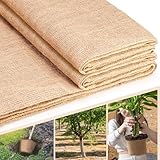
So, you’ve got a beautiful new tree, all snug in its burlap wrapping, ready for a new home in your yard. That’s exciting! But a common question often pops up: how long can a tree stay in burlap before planting? It’s a crucial detail that can significantly impact your tree’s survival and future health. Leaving it too long can lead to root issues and stress, while planting too soon might not give it adequate preparation time.
We understand the desire to get that green beauty into the ground as quickly as possible, but patience and proper timing are key. This guide will walk you through the optimal timelines, the factors influencing them, and what to do if you need to hold onto that balled-and-burlapped (B&B) specimen for a bit longer. Let’s ensure your new tree thrives from the get-go!
Understanding Burlap-Wrapped Trees: The Temporary Home
When you purchase a tree from a nursery or garden center, especially larger specimens, it often comes balled and burlapped (B&B). This method involves digging up the tree with a significant portion of its root ball intact, then wrapping the soil and roots tightly in burlap. This protective layer is designed to keep the root ball together during transport and initial handling, minimizing root disturbance.
However, this burlap cocoon is a temporary solution. It’s not a permanent habitat for your tree. The burlap serves a vital purpose for a limited time, but prolonged confinement can lead to serious problems. Understanding the ‘why’ behind this temporary measure will help you appreciate the urgency of proper planting.
Why Burlap Is Used and Its Limitations
The primary goal of burlap in tree packaging is to maintain the integrity of the root ball. When a tree is dug, a large mass of soil containing the majority of its feeder roots is kept together. Without this containment, the soil would crumble, exposing and damaging these delicate roots. This damage can lead to:
- Dehydration: Exposed roots dry out quickly, especially if the tree isn’t kept moist.
- Root Breakage: Loose soil makes roots more susceptible to snapping.
- Transplant Shock: The combined stress of root damage, dehydration, and the physical move can severely weaken the tree.
While effective for short periods, burlap itself presents limitations once the tree is out of the nursery environment:
- Air and Water Permeability: Natural burlap allows for some air and water exchange, which is good. However, synthetic burlap (often treated or plastic-lined) can restrict this significantly, leading to waterlogging or drying out of the root ball.
- Decomposition: Natural burlap will eventually decompose, but this process can take months, and during that time, it can impede root growth. Roots may struggle to penetrate the burlap, or the burlap might restrict expansion.
- Choking Hazard: If the burlap is not properly removed or managed during planting, it can act like a constricting band around the root ball, effectively ‘choking’ the roots as they try to grow outwards.
The Ideal Timeline: When to Plant Your Burlapped Tree
The general consensus among arborists and horticulturalists is that a balled-and-burlapped tree should be planted as soon as possible after purchase. Ideally, within 24 to 48 hours is the golden rule. (See Also: How to Add Mesh to Christmas Tree: A Festive Guide)
This short window is crucial because:
- Minimized Stress: The less time the tree spends out of its natural growing environment and in transit, the less stress it endures.
- Root Ball Moisture: Nurseries typically water B&B trees thoroughly before they are sold. This moisture is vital for root survival, and the longer the tree waits, the more this moisture can dissipate.
- Preventing Root Entanglement: While the burlap is meant to contain roots, prolonged confinement can sometimes lead to roots growing into and through the burlap in a way that makes later disentanglement difficult.
Think of it like this: the burlap is a temporary bandage for the root ball. You wouldn’t leave a bandage on a wound indefinitely; you’d address the underlying issue. Similarly, the burlap is a temporary fix for the dug root ball, and the ‘fix’ is planting it in its permanent home.
Factors Influencing the Timeline
While 24-48 hours is the ideal, several factors can slightly extend this window, provided you take specific precautions. These include:
- Type of Burlap:
- Natural Burlap: This is made from jute or other plant fibers. It’s permeable and will eventually decompose. If your tree is wrapped in natural burlap, it’s more forgiving for a slightly longer period than synthetic materials.
- Synthetic Burlap: Often made from nylon or polypropylene, this material is not biodegradable and can be detrimental if left in the ground. If your tree has synthetic burlap, it ABSOLUTELY must be removed during planting. The risk of leaving it in is much higher, and the timeframe for keeping it in is shorter.
- Climate and Season:
- Warm Weather: In hot, dry conditions, a tree in burlap will dehydrate much faster. The root ball can dry out in a matter of hours, severely damaging the fine feeder roots. You’ll need to be even more diligent about keeping the root ball moist.
- Cool, Humid Weather: In cooler, more humid climates, the root ball will retain moisture longer. This offers a slightly larger window, but still, immediate planting is best.
- Dormancy vs. Active Growth: Trees are generally hardier and more resilient when dormant (late fall to early spring). If you have to wait a few days, it’s better if the tree is in its dormant state. Active growth periods (spring and summer) demand quicker planting due to higher water needs and increased metabolic activity.
- Tree Size:
- Smaller Trees: Smaller B&B trees (e.g., under 5-6 feet) tend to have root balls that dry out faster due to a higher surface area to volume ratio.
- Larger Trees: Larger trees have more substantial root balls, which can retain moisture for a bit longer. However, handling and planting larger trees also presents its own set of challenges.
- Storage Conditions:
- Shade: Always store your B&B tree in a shaded location, out of direct sunlight and wind. This is critical to prevent the root ball from drying out.
- Moisture: Regularly check the burlap and soil. Keep the root ball consistently moist, but not waterlogged. You can do this by gently watering the burlap or the exposed soil at the top of the root ball. Avoid letting it dry out completely.
What Happens If You Can’t Plant Immediately?
Life happens, and sometimes you might have a valid reason for needing to delay planting for more than the ideal 48 hours. If this is the case, it’s not a lost cause, but it requires careful management to keep your tree alive and healthy until you can get it into the ground.
Extended Storage Techniques
If you anticipate needing to store your B&B tree for more than a couple of days, here’s what you need to do:
- Choose a Cool, Shaded Location: This is non-negotiable. Find the coolest, shadiest spot available. A north-facing side of a building, under dense evergreen trees, or a protected porch can work. Avoid hot, sunny areas at all costs.
- Maintain Consistent Moisture: This is the most critical step. The burlap and the soil within the root ball must be kept constantly moist. You can achieve this by:
- Regular Watering: Check the root ball daily, and possibly twice daily in warm weather. Water thoroughly when the top layer of the burlap or soil feels dry to the touch. Aim to saturate the root ball without creating a standing pool of water.
- Mulching the Burlap: You can add a layer of mulch (like wood chips or straw) over the burlap. This helps retain moisture and provides a small buffer against temperature fluctuations.
- Watering the Burlap Itself: Gently hose down the burlap to ensure it soaks into the root ball.
- Protect from Wind: Wind can dry out the burlap and the tree’s foliage very quickly. If your storage location is exposed, consider creating a temporary windbreak using shade cloth, tarps, or even leaning boards.
- Monitor for Pests and Diseases: While in storage, keep an eye out for any signs of pests or diseases that might be attracted to the stressed tree or its environment.
- Consider Temporary Potting (for very short extensions): For very short delays (e.g., a few extra days), you could theoretically pot the tree into a much larger container, ensuring the burlap is still managed correctly during the process. However, this is labor-intensive and generally not recommended as a long-term storage solution. The primary goal remains planting in the ground.
The ‘three-Day Rule’ and Beyond
While the 24-48 hour rule is the ideal, many professionals will advise against keeping a B&B tree in its burlap for much longer than three to five days, even with careful management. Beyond this point, the risk of significant root damage and transplant shock increases dramatically. (See Also: How to Flock an Artificial Tree: Achieve a Winter…)
If you find yourself needing to store a tree for a week or more, it’s a sign that the tree is already under considerable stress, and its chances of successful establishment may be compromised. In such extreme cases, you might consider:
- Returning the Tree: If you purchased the tree with the expectation of planting it immediately and unforeseen circumstances arose, contact the nursery about returning it or discussing options.
- Temporary ‘Heeling In’: This is a more robust method for longer storage (up to a few weeks). It involves digging a shallow trench in a shaded, well-drained area and laying the tree on its side, covering the root ball and lower trunk with loose soil. This keeps the roots moist and protected. However, this requires more space and effort than simply keeping it in its burlap.
Preparing for Planting: What to Do with the Burlap
When you are finally ready to plant, the handling of the burlap is paramount. This is where many planting mistakes occur, leading to the very problems you’re trying to avoid.
Natural Burlap: To Cut or Not to Cut?
For natural burlap, the general recommendation is to remove as much of it as possible from the top and sides of the root ball before placing it in the planting hole. While it will decompose, leaving it intact can still restrict root growth, especially in the critical initial stages.
Here’s the process:
- Dig Your Hole: Make sure the hole is at least two to three times wider than the root ball and as deep as the root ball itself.
- Position the Tree: Gently roll or lift the tree into the hole.
- Cut and Remove Burlap: Once the tree is in the hole, carefully cut away and remove any twine or rope that’s binding the burlap. Then, cut the burlap away from the top of the root ball, pulling it down and away. You don’t need to remove every last scrap from the bottom, especially if it’s deeply integrated with the soil, but expose the sides as much as possible.
- Check for Girdling Roots or Constricting Materials: While you’re at it, look for any roots that are circling the root ball or any synthetic materials that might have been used in the wrapping.
Synthetic Burlap: Complete Removal Is Essential
If your tree is wrapped in synthetic (plastic or treated) burlap, it is absolutely imperative that you remove it entirely. This material will not decompose and will act as a barrier, preventing roots from growing into the surrounding soil. This can lead to girdling roots and eventual death of the tree.
The process is the same as with natural burlap, but with an added emphasis on ensuring every bit of synthetic material is gone. (See Also: How to Twist Money Tree: A Comprehensive Guide)
Dealing with Wire Cages
Many larger B&B trees also come with a wire cage around the burlap. The advice here is a bit more nuanced:
- Cut and Remove Top Sections: You should always cut away and remove the top portion of the wire cage, at least the top third to half. This allows you to remove the burlap and prevents it from interfering with the soil surface and future growth.
- Consider Removing Lower Sections: If the wire is not tightly integrated with the root ball and can be cut away without disturbing the soil excessively, it’s often beneficial to remove as much of the lower cage as possible. However, if removing it risks the root ball collapsing, it’s better to leave some of the lower cage intact. The key is that the roots must be able to penetrate it.
Never plant a tree with a wire cage completely intact and in place without modification.
Common Mistakes and How to Avoid Them
To reiterate, the most common and detrimental mistake is leaving a B&B tree in its wrapping for too long without proper care. Here are other pitfalls to watch out for:
| Mistake | Consequence | How to Avoid |
|---|---|---|
| Leaving the tree in burlap for weeks. | Severe root dehydration, girdling, transplant shock, potential death. | Plant within 24-48 hours. If delayed, implement strict moisture and shade protocols. |
| Failing to remove synthetic burlap. | Root restriction, girdling, suffocation, tree death. | Always completely remove synthetic burlap before planting. |
| Not watering the root ball adequately during storage. | Drying out of feeder roots, transplant shock. | Keep the root ball consistently moist, checking daily. |
| Storing the tree in direct sun or wind. | Rapid dehydration of the root ball and foliage. | Always store in a cool, shaded, and protected location. |
| Planting too deep or too shallow. | Root rot (too deep) or dehydration and instability (too shallow). | Ensure the top of the root ball is level with or slightly above the surrounding soil. |
| Not loosening or removing binding materials (twine, wire). | Girdling of the trunk or roots, restricted growth. | Remove all twine, ropes, and as much wire cage as safely possible. |
When to Seek Professional Advice
If you’re unsure about the type of burlap used, the condition of the root ball, or if you’ve had to store the tree for an extended period, don’t hesitate to consult a local arborist or a knowledgeable nursery professional. They can offer specific advice tailored to your tree species and local conditions.
Properly planting a B&B tree is an investment in its future. By understanding the role of burlap and adhering to best practices for planting times, you’re giving your new tree the best possible start in its new home.
Verdict on Burlap Tree Storage
the golden rule is to plant your balled-and-burlapped tree as soon as possible, ideally within 24 to 48 hours of purchase. While slight extensions are possible with careful management—consistent moisture, shade, and protection from wind—prolonged storage significantly increases the risk of transplant shock and root damage. Always prioritize prompt planting, and when you do plant, ensure all binding materials, especially synthetic burlap, are completely removed to allow for healthy root development.
Recommended Products