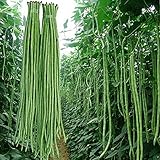
Are you dreaming of a bountiful harvest of crisp, delicious string beans straight from your garden? Knowing the secrets of successful string bean cultivation is the first step towards achieving that dream. One of the most critical factors in this process is understanding how far apart to plant string beans. Proper spacing allows for optimal air circulation, sunlight exposure, and nutrient uptake, leading to healthier plants and a more abundant yield.
This comprehensive guide will delve deep into the art and science of planting string beans. We’ll explore the ideal spacing for different bean varieties, discuss the factors that influence planting distance, and provide practical tips to ensure your string bean plants thrive. From bush beans to pole beans, we’ll cover everything you need to know to grow the best string beans in your garden. Let’s get started on your journey to a string bean bonanza!
Understanding String Bean Varieties and Spacing Needs
String beans, also known as green beans or snap beans, come in a variety of types, each with its unique growth habits and spacing requirements. Understanding these differences is crucial for determining how far apart to plant string beans effectively. The two main categories are bush beans and pole beans, and their spacing needs differ significantly.
Bush Beans: Compact and Efficient
Bush beans are known for their compact growth habit, making them ideal for smaller gardens or container gardening. They typically grow to a height of 1-3 feet and do not require support structures like trellises. Because of their size, bush beans generally need less space than their pole bean counterparts. They mature more quickly, often producing a harvest within 50-60 days.
When considering how far apart to plant string beans of the bush variety, the spacing recommendations are usually as follows:
- Planting in Rows: Space rows 18-24 inches apart.
- Planting Within Rows: Sow seeds 2-3 inches apart. Thin seedlings to 4-6 inches apart once they emerge.
This spacing allows for adequate air circulation and sunlight penetration, which helps to prevent diseases and promotes healthy growth. Regular thinning ensures that each plant has enough room to develop properly, leading to increased yields. Remember to consider the mature size of the specific bush bean variety you are growing, as some cultivars may be more compact than others.
Pole Beans: Reaching for the Sky
Pole beans are vining plants that require support structures such as trellises, poles, or fences. They can grow to be 6-10 feet tall, producing beans over a longer harvest season than bush beans. Pole beans are generally more productive than bush beans, but require more space and planning due to their climbing nature. They offer a continuous harvest throughout the growing season.
The spacing guidelines for pole beans are designed to accommodate their climbing habit and ensure good air circulation. Here’s how far apart to plant string beans of the pole variety:
- Planting in Rows: Space rows 24-36 inches apart.
- Planting at the Base of Support: Plant seeds 4-6 inches apart at the base of your trellis or poles.
- Thinning (if necessary): Thin seedlings to 6-8 inches apart after they emerge.
Proper support is essential for pole beans. Ensure your trellis or poles are sturdy enough to support the weight of the vines and the developing beans. Adequate spacing allows for easy harvesting and prevents overcrowding, which can lead to fungal diseases. Pole beans benefit from more space between plants than bush beans, allowing them to spread and produce a larger crop.
Considerations for Different Bean Types
Within the bush and pole bean categories, there’s a wide range of cultivars, each with its own characteristics. Some bush bean varieties are more compact, while others are slightly larger. Similarly, some pole beans have denser foliage than others. Always consult the seed packet for specific recommendations on how far apart to plant string beans of the specific variety you’ve chosen.
Additionally, consider the climate and soil conditions in your area. In regions with high humidity, more space between plants can help prevent fungal diseases. If your soil is particularly fertile, you might be able to plant slightly closer together, but be mindful of air circulation. Experimentation and observation are key to finding the optimal spacing for your specific growing conditions.
Factors Influencing String Bean Spacing
Several factors beyond the bean variety can influence the ideal spacing for string beans. Understanding these factors will help you make informed decisions and optimize your planting strategy. Factors such as sunlight, soil quality, and local climate play a significant role.
Sunlight Requirements
String beans need ample sunlight to thrive. Aim for at least 6-8 hours of direct sunlight per day. Insufficient sunlight can lead to weak plants, reduced yields, and increased susceptibility to diseases. Therefore, when deciding how far apart to plant string beans, consider the amount of sunlight each location receives. (See Also: Mastering the Art: How to Plant Purple Yam Successfully)
Ensure that plants are not shaded by other structures or plants. Taller plants can cast shadows on shorter ones, reducing their access to sunlight. If your garden has limited sunlight, consider planting bush beans, which are generally more tolerant of partial shade, or choosing a different location for your string bean patch.
Soil Quality and Fertility
Healthy soil is essential for string bean growth. Well-draining soil rich in organic matter will provide the nutrients and support needed for robust plants. The fertility of your soil can also influence how far apart to plant string beans. In fertile soil, plants can often be planted slightly closer together because they have more access to nutrients. However, overcrowding can still lead to problems, so it’s crucial to maintain adequate spacing.
Before planting, amend your soil with compost or other organic matter to improve its fertility and drainage. Perform a soil test to determine the nutrient levels and pH of your soil. String beans prefer a slightly acidic to neutral pH (6.0-7.0). Adjust your soil accordingly to create the ideal growing conditions. Regular fertilization, especially with a balanced fertilizer, can also promote healthy growth and higher yields.
Climate and Humidity
Climate and humidity play a significant role in string bean cultivation. In humid climates, proper air circulation is critical to prevent fungal diseases such as rust and bean anthracnose. Increasing the spacing between plants can improve air circulation and reduce the risk of these diseases. Consider the prevailing weather conditions in your area when deciding how far apart to plant string beans.
In drier climates, you might be able to plant slightly closer together, but always prioritize air circulation. Mulching around your plants can help retain moisture in the soil and reduce the need for frequent watering. Consistent watering is crucial for string bean growth, especially during dry spells. Monitor your plants regularly for signs of disease or pests, and take appropriate action if necessary.
Garden Design and Layout
The overall design and layout of your garden can also influence your planting decisions. Consider the space available, the other plants you are growing, and the pathways you need to maintain. Planning your garden layout beforehand can help you optimize spacing and ensure that your plants have the resources they need to thrive. Think about the mature size of all plants in your garden.
If you have limited space, consider vertical gardening techniques, such as growing pole beans on trellises or fences. This can maximize your yield in a small area. Companion planting, the practice of planting different species together to benefit each other, can also influence spacing. For example, planting string beans near marigolds can help deter pests, while planting them near corn can provide support for pole beans. Plan your garden layout to take advantage of these synergistic relationships.
Planting Techniques for Optimal Spacing
Once you’ve determined the ideal spacing for your string beans, it’s time to put your plan into action. Proper planting techniques will help you achieve the best results. From seed selection to sowing and thinning, following these steps will increase your chances of a successful harvest.
Seed Selection and Preparation
Choosing high-quality seeds is the first step toward a successful string bean crop. Select seeds from a reputable supplier and choose varieties that are well-suited to your climate and growing conditions. Consider the maturity time, disease resistance, and flavor of different varieties.
Before planting, you can soak your string bean seeds in water for a few hours. This can help to soften the seed coat and speed up germination. However, soaking is not always necessary, and some gardeners prefer to plant directly. Check the seed packet for specific recommendations. Always follow the instructions provided by the seed supplier.
Sowing Seeds
The best time to plant string beans is after the last threat of frost has passed and the soil has warmed up. String beans prefer soil temperatures of at least 60°F (15°C). Direct sowing is the most common method for planting string beans. This involves planting the seeds directly into the garden soil, rather than starting them indoors.
Follow these steps for direct sowing: (See Also: How to Plant Bean Seeds: A Comprehensive Guide)
- Prepare the Soil: Loosen the soil and amend it with compost or other organic matter.
- Create Furrows: Use a hoe or your finger to create shallow furrows in the soil, according to the recommended spacing for your chosen variety.
- Plant Seeds: Place seeds in the furrows at the recommended spacing and depth (usually 1-2 inches deep).
- Cover Seeds: Cover the seeds with soil and gently pat it down.
- Water: Water the soil thoroughly after planting.
For pole beans, plant seeds at the base of your support structure, ensuring that they are spaced appropriately. If you are planting in containers, use a well-draining potting mix and follow the same spacing guidelines.
Thinning Seedlings
Thinning is the process of removing excess seedlings to ensure that the remaining plants have enough space to grow. Thinning is essential for achieving optimal yields and preventing overcrowding. Thinning is particularly important if you’ve planted seeds closer together than the recommended spacing, which is often done to increase the chances of germination.
Once the seedlings have emerged and developed their first set of true leaves, thin them to the recommended spacing. Gently pull out the weaker seedlings, leaving the strongest and healthiest plants. Avoid disturbing the roots of the remaining seedlings. Thinning ensures that each plant has enough space to access sunlight, nutrients, and water.
Watering and Maintenance
Consistent watering is crucial for string bean growth, especially during dry spells. Water deeply and regularly, aiming to keep the soil consistently moist but not waterlogged. Avoid overhead watering, which can lead to fungal diseases. Drip irrigation or soaker hoses are excellent options for providing water directly to the roots.
Mulching around your plants can help retain moisture, suppress weeds, and regulate soil temperature. Use organic mulch such as straw, shredded leaves, or wood chips. Fertilize your string beans regularly with a balanced fertilizer, following the manufacturer’s instructions. Monitor your plants regularly for pests and diseases, and take appropriate action if necessary. Regular weeding is also essential to prevent competition for resources.
Supporting Pole Beans
If you are growing pole beans, providing adequate support is essential. Choose a sturdy trellis, poles, or fence that can support the weight of the vines and the developing beans. Plant seeds at the base of your support structure. As the vines grow, gently guide them up the support structure, tying them loosely if necessary. Ensure the support is in place before planting.
Regularly check the support structure for stability and make any necessary adjustments. Pole beans can grow very tall and produce a large crop, so a strong support system is critical. Proper support allows the vines to climb and receive adequate sunlight and air circulation, leading to increased yields. Choose a support system that is appropriate for your garden space and the size of your pole bean plants.
Troubleshooting Common Spacing Problems
Even with careful planning, spacing problems can sometimes arise. Recognizing and addressing these issues promptly can help you save your string bean crop. Here are some common problems and solutions.
Overcrowding and Its Consequences
Overcrowding can lead to several problems, including reduced yields, increased susceptibility to diseases, and poor air circulation. Overcrowded plants compete for resources such as sunlight, water, and nutrients. This competition can weaken the plants and make them more vulnerable to pests and diseases. Diseases spread more easily in crowded conditions.
If you suspect overcrowding, thin your plants to the recommended spacing. Remove any diseased or weak plants. Improve air circulation by pruning away any excess foliage. Ensure that your plants receive adequate sunlight and water. Consider growing bush beans instead of pole beans if you have limited space and are experiencing overcrowding issues.
Insufficient Sunlight
Insufficient sunlight is another common problem. String beans need at least 6-8 hours of direct sunlight per day to thrive. Plants that don’t receive enough sunlight may become leggy, produce fewer beans, and be more susceptible to diseases. The leaves may be pale and yellowish.
If your string beans are not getting enough sunlight, consider moving them to a sunnier location. Prune away any foliage that is blocking sunlight. If moving the plants is not possible, consider planting bush beans, which are more tolerant of partial shade. Ensure that your plants are not shaded by other structures or plants. Monitor the amount of sunlight your plants are receiving and make adjustments as needed. (See Also: Master the Art: How to Plant a Sweet Potatoe for Bountiful Harvests)
Disease and Pest Infestations
Overcrowding and poor air circulation can increase the risk of disease and pest infestations. Common string bean diseases include rust, bean anthracnose, and powdery mildew. Pests such as aphids, bean beetles, and spider mites can also damage your plants.
Preventative measures are essential. Provide adequate spacing between plants to improve air circulation. Water your plants at the base to avoid wetting the foliage. Remove any diseased plants promptly. Apply organic pest control methods, such as insecticidal soap or neem oil, if necessary. Regularly inspect your plants for signs of pests or diseases and take appropriate action. Consider using companion planting to deter pests.
Maximizing Yield and Harvest
Once your string beans are growing well, there are steps you can take to maximize your yield and ensure a bountiful harvest. Proper harvesting techniques, continued maintenance, and disease prevention will all contribute to a successful crop. Harvesting at the right time is important.
Harvesting at the Right Time
Harvest string beans when the pods are firm, crisp, and about 4-6 inches long, depending on the variety. The beans should be plump but not bulging with seeds. Overripe beans will be tough and less flavorful. Regular harvesting encourages continued production. Check your plants every few days and harvest the beans as they mature.
To harvest, gently snap the beans from the stem, or use scissors or a knife. Avoid pulling on the plant, as this can damage it. Harvest the beans in the morning, when they are at their peak freshness. Handle the beans carefully to avoid bruising. Store the harvested beans in the refrigerator to maintain their freshness. Harvesting regularly is key to a continuous harvest.
Ongoing Maintenance and Care
Continue to provide your string beans with adequate water and nutrients throughout the growing season. Mulch around your plants to retain moisture and suppress weeds. Weed regularly to prevent competition for resources. Monitor your plants for pests and diseases, and take appropriate action if necessary. Provide support for pole beans as needed.
Fertilize your string beans every few weeks with a balanced fertilizer. Prune away any dead or yellowing leaves to improve air circulation. Rotate your crops each year to prevent the buildup of soilborne diseases. Enjoy the fruits (or beans) of your labor by harvesting and savoring the delicious flavor of fresh, homegrown string beans.
Preventing and Addressing Diseases
Preventing diseases is easier than treating them. Choose disease-resistant varieties whenever possible. Provide adequate spacing between plants to improve air circulation. Water your plants at the base to avoid wetting the foliage. Remove any diseased plants promptly.
If diseases do occur, identify the problem and take appropriate action. Treat fungal diseases with organic fungicides, such as neem oil or copper-based sprays. Remove any infected leaves or plant parts. Improve air circulation by pruning away any excess foliage. Consider crop rotation to prevent the buildup of soilborne diseases. Monitor your plants regularly for any signs of disease and take action early.
Conclusion: Growing Success with Proper Spacing
Knowing how far apart to plant string beans is essential for a successful harvest. By understanding the needs of different varieties, considering environmental factors, and following proper planting techniques, you can create the ideal conditions for your string beans to thrive. From bush beans to pole beans, proper spacing is key to maximizing yields, preventing diseases, and enjoying a bountiful harvest. With careful planning and diligent care, you can look forward to a delicious supply of fresh, homegrown string beans all season long.
Recommended Products