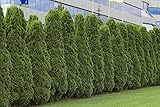
Dreaming of a secluded oasis? Pine trees offer a natural, beautiful, and effective solution for creating privacy in your yard. But achieving that perfect green screen requires careful planning, especially when it comes to spacing. Getting the spacing right is crucial for both immediate privacy and the long-term health and growth of your trees.
This comprehensive guide dives deep into the factors influencing how far apart to plant pine trees for privacy. We’ll explore the various pine tree species best suited for privacy, the impact of your local climate and soil conditions, and the ideal planting techniques for optimal results. You’ll learn how to calculate the perfect spacing for your needs and ensure your privacy screen thrives for years to come.
Whether you’re a seasoned gardener or a complete beginner, this article will provide you with the knowledge and insights you need to successfully plant a privacy screen of pine trees. Get ready to transform your property into a private sanctuary!
Choosing the Right Pine Tree Species for Privacy
Not all pine trees are created equal when it comes to privacy. Some species grow faster, denser, and taller than others, making them ideal for creating a solid barrier. Selecting the right species for your specific climate and desired outcome is the first and most important step.
Fast-Growing Pine Species
Fast-growing pines offer a quicker route to privacy, allowing you to enjoy the benefits of your screen sooner rather than later. However, be mindful of their ultimate size and potential maintenance requirements. These species typically reach their mature height and width in a relatively shorter timeframe.
- Leyland Cypress (Cupressocyparis × leylandii): While technically a hybrid, Leyland Cypress is often grouped with pines due to its similar characteristics. It’s a very fast-growing evergreen, capable of gaining several feet per year. It’s known for its dense foliage, making it a superb choice for privacy. However, it requires regular pruning to maintain its shape and prevent it from becoming too wide.
- Eastern White Pine (Pinus strobus): This is a majestic, fast-growing pine native to eastern North America. It boasts soft, blue-green needles and a pyramidal shape when young, eventually becoming more open with age. Eastern White Pine offers excellent privacy, but requires ample space and good drainage.
- Loblolly Pine (Pinus taeda): Another fast-growing option, Loblolly Pine is native to the southeastern United States. It’s known for its rapid growth and adaptability to various soil conditions. Loblolly Pines are tall and provide excellent privacy. However, they can drop a lot of needles, requiring some cleanup.
Moderate-Growing Pine Species
Moderate-growing pines offer a balance between speed and manageability. They provide good privacy, but typically require less frequent pruning and maintenance compared to their faster-growing counterparts. They are often a good choice for smaller yards or situations where you want more control over the tree’s size.
- Austrian Pine (Pinus nigra): This hardy pine is well-suited to a variety of climates and soil conditions. Austrian Pine has a dense, symmetrical form and dark green needles, providing excellent privacy. It is relatively slow-growing compared to the options above, but can still provide good privacy within a reasonable timeframe.
- Scots Pine (Pinus sylvestris): Also known as Scotch Pine, this tree is known for its attractive reddish-brown bark and blue-green needles. Scots Pine is a moderately fast grower that offers good privacy and tolerates a range of conditions. It’s a popular choice for Christmas tree farms, so you can imagine how dense it can get.
Considerations When Choosing a Species
Before making your final decision, consider these crucial factors:
- Climate: Research which pine species thrive in your specific USDA hardiness zone. Some pines are more tolerant of cold, heat, drought, or humidity than others.
- Soil Conditions: Assess your soil’s drainage, pH, and nutrient content. Some pines prefer well-drained soil, while others can tolerate wetter conditions.
- Mature Size: Understand the ultimate height and width of the tree at maturity. This will significantly influence your spacing calculations.
- Maintenance: Consider the pruning and maintenance requirements of each species. Some pines require more frequent pruning to maintain their shape and prevent them from becoming too wide.
- Local Regulations: Check with your local authorities for any restrictions on tree planting, such as height limits or required setbacks from property lines.
Calculating the Optimal Spacing for Privacy
Determining the right spacing between your pine trees is crucial for achieving the desired level of privacy while ensuring the long-term health of your trees. Overcrowding can lead to stunted growth, increased susceptibility to diseases, and reduced air circulation. Under-spacing may not provide adequate privacy, and you’ll have to wait longer to achieve the desired effect. (See Also: Learn How Often to Water an Ivy Plant for Thriving Growth)
Factors Influencing Spacing
Several factors will influence the optimal spacing for your pine trees:
- Species: Different pine species have different growth habits. Faster-growing species generally require wider spacing than slower-growing ones. Refer to the information provided previously.
- Desired Privacy Level: Do you want a complete, impenetrable screen, or are you comfortable with some visibility? A denser screen requires closer spacing.
- Mature Width: The ultimate width of the tree at maturity is the most important factor. You need to consider how wide the trees will get at their widest point.
- Sunlight: Ensure enough sunlight reaches your trees. Overcrowding can block sunlight, hindering growth and making the trees more susceptible to disease.
- Local Climate: In windy areas, wider spacing may be beneficial to allow for better air circulation and reduce the risk of wind damage.
Spacing Guidelines Based on Mature Width
As a general rule, you can use the mature width of the tree to estimate the appropriate spacing. Consider these common guidelines as a starting point, but always factor in the other considerations mentioned above.
| Mature Width of Tree | Recommended Spacing |
|---|---|
| Under 15 feet | 6-8 feet |
| 15-25 feet | 8-12 feet |
| Over 25 feet | 12-18 feet or more |
These are general guidelines, and it’s essential to research the specific growth habits of your chosen pine species. Consider the shape of the tree, as some species have a more pyramidal shape, while others are more rounded. This will influence how the trees fill in the space between them.
Calculating Spacing for a Privacy Screen
Follow these steps to calculate the ideal spacing for your privacy screen:
- Research Your Chosen Species: Find the mature width of the pine tree species you intend to plant. Reputable nurseries or online resources will provide this information.
- Determine Your Desired Privacy Level: Decide whether you want a solid, impenetrable screen or a more open screen. This will affect how much spacing you choose.
- Apply the Spacing Guidelines: Based on the mature width of your chosen species and your desired privacy level, use the spacing guidelines above as a starting point.
- Adjust for Other Factors: Consider sunlight, wind, and local climate conditions. Adjust the spacing accordingly. If you live in a windy area, consider wider spacing to reduce wind resistance.
- Consider Staggered Planting: For a denser screen, consider planting your trees in a staggered row. This means planting a second row of trees slightly offset from the first row. This can help fill in gaps and create a more complete barrier.
Example Calculation
Let’s say you’ve chosen Eastern White Pine, which has a mature width of 20 feet. You desire a relatively solid screen. Following the guidelines, you might choose an 8-10 foot spacing. Because you want a solid screen, you decide to plant them at 8 feet apart to fill in the gaps as quickly as possible. You should also consider staggering the second row to improve the privacy.
Planting Techniques for a Successful Privacy Screen
Proper planting techniques are crucial for the long-term health and survival of your pine trees. Following these guidelines will give your trees the best possible start and help them establish a strong root system, which is essential for their growth and resilience.
Preparing the Planting Site
Before planting, prepare the planting site meticulously. This involves: (See Also: Unlocking Beauty: How to Plant Bleeding Heart Bulbs)
- Soil Testing: Conduct a soil test to determine the pH, nutrient content, and drainage of your soil. This will help you identify any deficiencies and make necessary amendments.
- Weed Removal: Clear the planting area of all weeds, grass, and other vegetation. This will reduce competition for nutrients and water.
- Soil Amendment: Amend the soil with organic matter, such as compost or well-rotted manure, to improve drainage, fertility, and water retention. Refer to your soil test results to determine what amendments are needed.
- Drainage Check: Ensure the planting site has adequate drainage. Pine trees do not thrive in waterlogged soil. If drainage is poor, consider installing drainage tiles or planting on a raised berm.
Planting the Pine Trees
Follow these steps to plant your pine trees correctly:
- Timing: The best time to plant pine trees is in the fall or early spring, when the weather is mild and the trees are not actively growing. This allows the roots to establish before the stress of summer heat or winter cold.
- Digging the Hole: Dig a hole that is twice as wide as the root ball and just as deep.
- Root Ball Preparation: Gently loosen the roots of the tree, especially if they are pot-bound. This encourages them to spread outward and establish a strong root system.
- Planting Depth: Place the tree in the hole so that the top of the root ball is level with or slightly above the surrounding ground. Avoid planting the tree too deep, as this can suffocate the roots.
- Backfilling: Backfill the hole with the amended soil, gently tamping it down to remove air pockets.
- Watering: Water the newly planted tree thoroughly to help settle the soil and encourage root growth.
- Mulching: Apply a layer of organic mulch, such as wood chips or shredded bark, around the base of the tree. This helps retain moisture, suppress weeds, and regulate soil temperature. Keep the mulch a few inches away from the trunk to prevent rot.
Post-Planting Care
After planting, provide ongoing care to ensure the health and growth of your pine trees:
- Watering: Water the trees regularly, especially during dry periods. The frequency of watering will depend on your climate and soil conditions. Young trees need more frequent watering than established trees.
- Fertilizing: Fertilize the trees in the spring with a balanced fertilizer formulated for evergreen trees. Follow the instructions on the fertilizer package.
- Pruning: Prune the trees regularly to remove dead, damaged, or diseased branches. Pruning can also help shape the trees and maintain their desired size and density.
- Pest and Disease Control: Monitor the trees for signs of pests or diseases. Take appropriate action if any problems arise. Contact a local arborist for guidance if needed.
Addressing Common Questions About Planting Pine Trees for Privacy
Many homeowners have questions about planting pine trees for privacy. Here are some of the most frequently asked questions and their answers:
How Long Will It Take for My Privacy Screen to Be Established?
The time it takes for your privacy screen to be established depends on the species of pine tree you choose, the spacing between the trees, and the growing conditions in your area. Fast-growing species, such as Leyland Cypress, can provide significant privacy within a few years. Slower-growing species may take longer. Proper care and maintenance will also affect the growth rate. A general rule is to expect a 3-5 year period for some privacy and a 7-10 year period for full privacy.
What Is the Best Time of Year to Plant Pine Trees?
The best time to plant pine trees is in the fall or early spring. These seasons provide the best conditions for root development. In the fall, the soil is warm, and the trees have time to establish their roots before winter. In the spring, the trees can start growing as soon as the weather warms up. Avoid planting during the heat of summer or the depths of winter.
How Often Should I Water My Newly Planted Pine Trees?
Newly planted pine trees need regular watering to help them establish their roots. Water them deeply and frequently, especially during dry periods. The frequency of watering will depend on your climate and soil conditions. As a general rule, water them once or twice a week during the first growing season. Once they are established, they will require less frequent watering. It is always best to check the soil moisture before watering.
Do Pine Trees Require a Lot of Maintenance?
The maintenance requirements of pine trees vary depending on the species. Some species require more frequent pruning than others. Regular pruning is usually necessary to remove dead, damaged, or diseased branches and to shape the trees. Pine trees are generally relatively low-maintenance, especially once they are established. (See Also: Unleash the Fun: How to Plant Cat Nip for Happy Cats)
What Are the Common Problems with Planting Pine Trees for Privacy?
The common problems include:
- Incorrect Spacing: Planting trees too close together can lead to stunted growth and increased susceptibility to diseases.
- Poor Drainage: Pine trees do not thrive in waterlogged soil.
- Pest and Diseases: Pine trees can be susceptible to various pests and diseases. Regular monitoring and prompt treatment are essential.
- Insufficient Sunlight: Overcrowding can block sunlight, hindering growth.
- Incorrect Species Selection: Choosing a species that is not well-suited to your climate or soil conditions can lead to poor growth and premature death.
Maintaining Your Pine Tree Privacy Screen
Proper maintenance is essential for the long-term health and beauty of your pine tree privacy screen. Regular care will help ensure your trees thrive and continue to provide the privacy you desire.
Pruning
Pruning is a critical aspect of pine tree maintenance. It helps to shape the trees, remove dead or diseased branches, and improve air circulation. The best time to prune pine trees is in late winter or early spring, before new growth begins. Use sharp pruning shears or a pruning saw to make clean cuts. Avoid pruning more than one-third of the tree’s branches in a single year.
Watering and Fertilizing
Water your pine trees regularly, especially during dry periods. Water deeply and thoroughly, allowing the water to soak into the soil. Fertilize your trees in the spring with a balanced fertilizer formulated for evergreen trees. Follow the instructions on the fertilizer package. Avoid over-fertilizing, as this can damage the trees.
Pest and Disease Control
Monitor your pine trees for signs of pests or diseases. Common pests include pine beetles, aphids, and spider mites. Common diseases include needle blight, rust, and canker. If you notice any problems, take prompt action. Contact a local arborist for assistance if needed. Use appropriate insecticides or fungicides as directed. The best method is prevention, so keep the trees healthy.
Mulching
Apply a layer of organic mulch around the base of your pine trees. Mulch helps to retain moisture, suppress weeds, and regulate soil temperature. Use wood chips, shredded bark, or other organic materials. Keep the mulch a few inches away from the trunk to prevent rot. Replenish the mulch as needed.
Conclusion
Planting a pine tree privacy screen is a rewarding project that can transform your property into a private haven. By understanding how far apart to plant pine trees for privacy, choosing the right species, and following proper planting and maintenance techniques, you can create a beautiful and effective privacy screen. Remember to research your chosen pine tree species, consider your local climate and soil conditions, and plan your project carefully. With a little effort and patience, you’ll be enjoying the benefits of your private oasis for years to come. Now, get planting and enjoy your new privacy!
Recommended Products