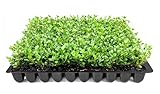
Dreaming of a perfectly manicured garden, with a lush, green buxus hedge framing your property? The beauty and versatility of Buxus sempervirens, commonly known as boxwood, makes it a popular choice for hedges, topiary, and formal gardens. However, the success of your buxus hedge hinges on a crucial factor: knowing how far apart to plant buxus hedge plants.
Proper spacing is the foundation for a healthy, dense, and visually stunning hedge. Planting too close can lead to overcrowding, poor air circulation, and susceptibility to diseases, while planting too far apart results in a sparse hedge that takes years to fill in. This comprehensive guide will walk you through everything you need to know about spacing your buxus plants, ensuring your hedge thrives for years to come.
We will delve into the factors that influence spacing, provide practical planting guidelines, and offer tips for ongoing care. Whether you’re a seasoned gardener or a beginner, this article will equip you with the knowledge to create a beautiful and enduring buxus hedge. Let’s get started on creating your dream garden!
Understanding Buxus Hedge Spacing: The Fundamentals
Choosing the right spacing for your buxus hedge is more than just measuring; it involves understanding the plant’s growth habits, the desired hedge appearance, and the long-term maintenance implications. Buxus plants have varying growth rates and mature sizes, so the optimal spacing depends on the specific variety you choose. Furthermore, consider your aesthetic goals: do you want a formal, tightly clipped hedge or a more relaxed, natural look?
The spacing directly impacts how quickly your hedge fills in and the overall density of the foliage. Properly spaced plants will have adequate room to grow, allowing for optimal air circulation and light penetration, reducing the risk of disease. Understanding these core principles is essential for successful hedge establishment.
Factors Influencing Buxus Spacing
Several factors play a crucial role in determining the ideal spacing for your buxus hedge. These include the specific buxus variety, the desired hedge height and width, the soil conditions, and your maintenance preferences. Failing to consider these aspects can lead to a less-than-ideal outcome, impacting both the visual appeal and the health of your hedge.
- Buxus Variety: Different buxus varieties have different growth rates and mature sizes. For instance, Buxus sempervirens (common boxwood) tends to grow larger than dwarf varieties like Buxus microphylla ‘Winter Gem’. Research the specific variety you’re planting to understand its potential size.
- Desired Hedge Dimensions: Are you aiming for a low, formal border or a tall, imposing screen? The desired height and width of your hedge will influence the spacing. Taller, wider hedges often require wider spacing.
- Soil Conditions: Well-draining soil is crucial for buxus. If your soil is heavy clay, providing adequate drainage is essential, and this might indirectly influence spacing. Poor drainage can lead to root rot, so proper preparation is key.
- Maintenance Preferences: Regular pruning will be necessary. Tighter spacing requires more frequent pruning to maintain the desired shape, while wider spacing allows for a more relaxed pruning schedule. Consider how much time you are willing to dedicate to pruning and shaping.
Common Buxus Varieties and Their Spacing Requirements
The following table provides general spacing guidelines for some popular buxus varieties. Remember that these are estimates, and you should always check the specific cultivar information from your nursery. These guidelines are a great starting point, but individual environmental conditions may necessitate adjustments.
| Buxus Variety | Typical Mature Height | Typical Mature Width | Recommended Spacing |
|---|---|---|---|
| Buxus sempervirens (Common Boxwood) | 5-15 feet | 5-15 feet | 18-24 inches |
| Buxus microphylla ‘Winter Gem’ | 3-4 feet | 3-4 feet | 12-18 inches |
| Buxus microphylla ‘Green Mountain’ | 3-5 feet | 2-3 feet | 18-24 inches |
| Buxus sempervirens ‘Suffruticosa’ (Dwarf English Boxwood) | 1-3 feet | 1-3 feet | 9-12 inches |
Always consult with your local nursery for specific recommendations based on your chosen variety and local growing conditions. They can provide valuable insights tailored to your region and soil type.
Step-by-Step Guide to Planting Your Buxus Hedge
Planting a buxus hedge is a rewarding process that requires careful planning and execution. Following these steps will help you establish a healthy and thriving hedge. From site preparation to watering, each stage is important for long-term success. Proper planting techniques minimize stress on the plants, leading to faster establishment and a more resilient hedge. (See Also: Master the Art: Your Guide on How to Plant Rose Bushes)
1. Site Selection and Preparation
Choose a location that receives at least 4-6 hours of sunlight per day. Buxus plants prefer well-draining soil; avoid areas prone to waterlogging. Conduct a soil test to determine the pH and nutrient levels. Buxus thrives in slightly acidic to neutral soil (pH 6.0-7.0). Amend the soil with organic matter, like compost or well-rotted manure, to improve drainage and fertility.
Clear the planting area of weeds, rocks, and debris. Dig a trench or individual holes, depending on your preferred planting method. The width of the trench or holes should be slightly wider than the root ball of the buxus plants. Proper preparation is essential for a healthy start.
2. Calculating Spacing and Planting
Measure and mark the planting line accurately. Use the spacing guidelines for your chosen buxus variety (refer to the table above). Consider the desired density and the speed at which you want the hedge to fill in. Tighter spacing results in a denser hedge faster, but requires more frequent pruning. Use a measuring tape or string line to ensure accurate spacing.
Gently remove the buxus plants from their containers. Loosen any circling roots. Place the plants in the trench or holes, ensuring the top of the root ball is level with the surrounding soil. Backfill the holes with the amended soil, gently firming it around the roots. Avoid planting too deeply, as this can lead to root rot. Water thoroughly after planting.
3. Watering and Mulching
Water the newly planted buxus plants deeply and regularly, especially during the first growing season. Water deeply to encourage strong root growth. Avoid overwatering, as this can lead to root rot. Check the soil moisture regularly and water when the top inch or two of soil feels dry.
Apply a 2-3 inch layer of organic mulch, such as shredded bark or wood chips, around the base of the plants. Mulch helps retain moisture, suppress weeds, and regulate soil temperature. Keep the mulch away from the stems of the plants to prevent rot. Proper mulching is vital for the young plants.
4. Ongoing Care and Maintenance
Fertilize your buxus hedge in early spring with a balanced, slow-release fertilizer. Follow the manufacturer’s instructions for application rates. Prune your hedge regularly to maintain its shape and encourage density. The frequency of pruning depends on the variety and your desired look. Prune lightly throughout the growing season.
Monitor your buxus plants for pests and diseases. Common problems include boxwood leafminer, boxwood psyllid, and box blight. Treat any infestations or diseases promptly. Regular inspection is key to early detection. (See Also: Planting Arborvitaes: How Far Apart Do You Plant Them?)
Addressing Common Questions About Buxus Hedge Spacing
Many gardeners have similar questions when it comes to planting and caring for buxus hedges. Addressing these frequently asked questions can help you avoid common pitfalls and ensure your hedge thrives. Understanding these common concerns can empower you to make informed decisions about your planting project.
How Far Apart Should I Plant Buxus Sempervirens?
For Buxus sempervirens, the spacing typically ranges from 18 to 24 inches apart. This spacing allows the plants to grow together and form a dense hedge. The exact spacing depends on the desired final height and width of your hedge, as well as the local growing conditions. Consider the mature size of the variety and your pruning plans.
What Is the Best Time to Plant a Buxus Hedge?
The best time to plant a buxus hedge is in the early spring or fall. These periods offer milder temperatures and more consistent rainfall, which helps the plants establish their roots before the extremes of summer heat or winter cold. Avoid planting during the hottest part of summer or during periods of frost.
How Long Does It Take for a Buxus Hedge to Fill in?
The time it takes for a buxus hedge to fill in depends on the spacing, the variety, and the growing conditions. With proper spacing and care, a hedge can fill in within 2-5 years. Tighter spacing will result in a faster fill-in time, but will require more frequent pruning. Consistent care, including watering, fertilizing, and pruning, is crucial for rapid growth.
Can I Plant a Buxus Hedge in a Container?
Yes, you can plant a buxus hedge in containers, but choose dwarf varieties like Buxus sempervirens ‘Suffruticosa’ or Buxus microphylla ‘Winter Gem’. Select containers that are large enough to accommodate the plant’s root system and provide adequate drainage. Container-grown buxus hedges require more frequent watering and fertilization than those planted in the ground.
How Do I Prune a Buxus Hedge?
Prune your buxus hedge regularly to maintain its shape and encourage density. The best time to prune is in late spring or early summer, after the new growth has hardened off. Use sharp pruning shears or hedge trimmers. Avoid pruning too heavily, as this can stress the plants. Light pruning throughout the growing season can help maintain the desired shape.
Troubleshooting Common Problems
Even with careful planning and planting, buxus hedges can encounter problems. Recognizing and addressing these issues promptly is essential to maintaining a healthy and beautiful hedge. Early detection and intervention can prevent minor issues from becoming major problems.
Yellowing Leaves
Yellowing leaves can indicate a variety of problems, including overwatering, underwatering, nutrient deficiencies, or pests. Check the soil moisture level and adjust your watering accordingly. Test the soil pH and amend if necessary. Inspect the plants for pests or diseases. Addressing the root cause is critical. (See Also: Unveiling Secrets: How Do You Take Care of a Money Plant?)
Leaf Spot Diseases
Leaf spot diseases, such as Volutella blight, can cause brown or tan spots on the leaves. Improve air circulation by pruning and avoiding overhead watering. Remove and dispose of infected leaves and branches. Apply a fungicide if necessary. Prevention is often the best approach.
Pest Infestations
Boxwood leafminer and boxwood psyllid are common pests that can damage buxus hedges. Inspect your plants regularly for signs of infestation, such as distorted leaves or webbing. Treat infestations with insecticidal soap or horticultural oil. Early intervention is key to controlling pests. Consider beneficial insects to help control pests naturally.
Poor Growth
Poor growth can be caused by a variety of factors, including poor soil conditions, inadequate sunlight, or improper watering. Ensure your plants are getting enough sunlight and water. Amend the soil with organic matter to improve drainage and fertility. Fertilize your plants regularly. Proper care will help boost growth.
Advanced Techniques for a Stunning Buxus Hedge
Once you’ve mastered the basics of buxus hedge care, you can explore advanced techniques to create a truly stunning display. These techniques can elevate your hedge from ordinary to extraordinary, adding a touch of sophistication to your garden. These practices can help refine your hedge’s appearance.
Topiary and Shaping
Buxus is ideal for topiary, allowing you to sculpt your hedge into various shapes, such as spheres, cones, or animal figures. Start by pruning lightly and gradually shaping the hedge over time. Use templates or stencils to guide your pruning. Regular pruning is essential to maintain the desired shape. Patience is key to successful topiary.
Layered Planting
Create visual interest by planting buxus hedges at different heights or layering them with other plants. Combine different varieties of buxus with varying textures and colors. Consider underplanting with low-growing perennials or annuals. Layering can add depth and dimension to your garden design. Use different heights for visual variety.
Color Variations
Experiment with different buxus varieties to incorporate color variations into your hedge. Some varieties have variegated foliage or bronze-colored new growth. Combine these with solid green varieties to create a unique and eye-catching display. Color can add another layer of interest to your hedge.
Conclusion: Achieving Buxus Hedge Success
Mastering the art of planting and maintaining a buxus hedge is a journey that requires knowledge, patience, and dedication. By understanding the importance of how far apart to plant buxus hedge plants, and by following the guidelines outlined in this article, you can create a beautiful and enduring hedge that enhances your landscape for years to come. Remember to choose the right variety, provide proper care, and enjoy the process of watching your hedge thrive. With consistent care, your buxus hedge will become a stunning focal point in your garden. Happy gardening!
Recommended Products