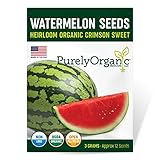
Dreaming of juicy, sweet watermelon slices on a hot summer day? The journey from seed to fruit is a rewarding one, and understanding the fundamentals of planting is the first crucial step. One of the most important considerations for a successful watermelon harvest is knowing how far apart do you plant watermelon seeds. Proper spacing ensures your plants have enough room to thrive, receive adequate sunlight, and produce the best possible fruit.
This comprehensive guide will delve into the intricacies of watermelon planting, providing you with the knowledge and techniques to cultivate a bountiful crop. From choosing the right variety to understanding the optimal spacing requirements, we’ll cover everything you need to know. Get ready to transform your garden into a watermelon paradise!
Understanding Watermelon Planting Basics
Watermelons, members of the Cucurbitaceae family, are warm-season crops that thrive in full sun and well-drained soil. They are relatively easy to grow, but success hinges on several key factors, including proper spacing, adequate watering, and protection from pests and diseases. The journey begins with selecting the right variety of watermelon and preparing your garden bed.
Choosing the Right Watermelon Variety
Watermelon varieties vary significantly in size, shape, sweetness, and disease resistance. Before you even think about how far apart do you plant watermelon seeds, consider the space you have available and your personal preferences. Some popular choices include:
- Crimson Sweet: A classic, oblong variety known for its sweetness and disease resistance.
- Sugar Baby: A smaller, round watermelon perfect for smaller gardens.
- Charleston Gray: A large, oblong variety with a long shelf life.
- Yellow Crimson: A yellow-fleshed variety with a unique flavor.
Consider the maturity time of the variety as well. Some watermelons mature in as little as 70 days, while others can take up to 100 days. Choose a variety that suits your growing season and climate. Also, consider disease resistance. If you’ve had issues with diseases like fusarium wilt in the past, select a resistant variety.
Preparing the Garden Bed
Watermelons prefer well-drained soil with a pH between 6.0 and 6.8. Before planting, amend your soil with compost or well-rotted manure to improve drainage and fertility. Watermelons are heavy feeders, so enriching the soil is crucial for optimal growth. Remove any weeds and debris to prevent competition for nutrients and water.
Conduct a soil test to determine the nutrient levels and pH of your soil. This will help you identify any deficiencies and adjust your soil amendments accordingly. Raised beds are a good option, especially if your soil is poorly drained. Ensure the planting area receives at least 6-8 hours of direct sunlight per day.
The Importance of Proper Spacing
Knowing how far apart do you plant watermelon seeds is crucial for several reasons. Proper spacing allows for optimal air circulation, which helps prevent fungal diseases. It also provides each plant with enough space to develop a strong root system and spread its vines without overcrowding. Overcrowding can lead to stunted growth, reduced fruit production, and increased susceptibility to pests and diseases.
Watermelon plants are vigorous growers, and their vines can spread several feet. Adequate spacing ensures that each plant receives enough sunlight to photosynthesize efficiently, which is essential for producing large, sweet watermelons. It also makes it easier to manage the plants, including watering, fertilizing, and harvesting.
Spacing Guidelines for Different Watermelon Varieties
The ideal spacing for watermelon plants varies depending on the variety and the growing method. Generally, larger varieties require more space than smaller ones. Consider the mature size of the plant when determining spacing. Here’s a general guide:
| Variety Type | Spacing (Plants Apart) | Spacing (Rows Apart) |
|---|---|---|
| Small Bush Varieties (e.g., Sugar Baby) | 2-3 feet | 4-6 feet |
| Medium-Sized Varieties (e.g., Crimson Sweet) | 3-4 feet | 6-8 feet |
| Large Vining Varieties (e.g., Charleston Gray) | 4-6 feet | 8-10 feet |
These are general guidelines, and you may need to adjust them based on your specific growing conditions and the variety you’ve chosen. Always refer to the seed packet for specific recommendations.
Spacing for Hill Planting vs. Row Planting
Watermelons can be planted in hills or rows. Hill planting involves planting several seeds or seedlings in a small mound of soil, while row planting involves planting the seeds or seedlings in a straight line. The spacing requirements differ slightly depending on the method used.
Hill Planting: When planting in hills, space the hills according to the variety’s mature size. For example, for a medium-sized variety, space the hills about 6-8 feet apart. Plant 2-3 seeds per hill, and thin to the strongest seedling once they emerge. This allows for better drainage and warmer soil temperatures, especially beneficial in cooler climates. (See Also: Expert Guide: How to Care for My Orchid Plant – Thriving Orchids)
Row Planting: When planting in rows, space the plants within the row according to the variety’s mature size. Space the rows apart as indicated in the table above. This method is often preferred for larger-scale planting and makes it easier to manage the plants with machinery.
Planting Watermelon Seeds and Seedlings
Planting watermelon seeds or seedlings at the correct time and depth is essential for successful germination and establishment. Timing and technique play a crucial role in getting your plants off to a strong start. Following the proper planting procedures will increase your chances of a bountiful harvest.
When to Plant Watermelon Seeds
Watermelons are sensitive to frost, so plant them after the danger of frost has passed and the soil has warmed up to at least 70°F (21°C). In most regions, this is typically in late spring or early summer. Check your local frost dates to determine the best planting time for your area. Starting seeds indoors 2-3 weeks before the last expected frost can give you a head start.
Consider the days to maturity for your chosen variety and plan accordingly. You’ll want to plant early enough in the season to allow the watermelons to mature before the first fall frost. Planting too late can result in small or underdeveloped fruits.
Planting Watermelon Seeds: Step-by-Step Guide
- Prepare the Soil: Ensure your soil is well-drained, amended with compost or well-rotted manure, and free of weeds.
- Create Hills or Rows: If hill planting, create hills about 1 foot in diameter and 6-8 inches high, spaced according to your variety’s needs. If row planting, create rows spaced appropriately.
- Plant the Seeds: Plant 5-6 seeds per hill or every 12 inches in a row. Sow seeds about 1 inch deep.
- Water Thoroughly: Water the seeds gently after planting to keep the soil consistently moist until germination.
- Thin the Seedlings: Once the seedlings emerge and have a few sets of true leaves, thin to the strongest 2-3 seedlings per hill or plant every 2-3 feet in rows.
Planting Watermelon Seedlings: Step-by-Step Guide
Starting with seedlings can give you a head start on the growing season. If you’re using seedlings, follow these steps:
- Prepare the Soil: Prepare your soil as described above.
- Dig Holes: Dig holes slightly larger than the root ball of your seedlings, spacing them according to your variety’s needs.
- Gently Remove Seedlings: Carefully remove the seedlings from their containers, being careful not to damage the roots.
- Plant the Seedlings: Place the seedlings in the holes and backfill with soil, gently firming the soil around the roots. Plant the seedlings at the same depth they were in their pots.
- Water Thoroughly: Water the seedlings thoroughly after planting to help them settle in and establish their roots.
Caring for Your Watermelon Plants
Once your watermelon plants are established, proper care is essential for healthy growth and fruit production. Consistent watering, fertilizing, and pest and disease management will contribute to a successful harvest. Regular observation of your plants is also important so you can address any issues quickly.
Watering Watermelon Plants
Watermelons need consistent watering, especially during fruit development. Water deeply and regularly, providing about 1-2 inches of water per week, depending on the weather conditions. Water at the base of the plants to avoid wetting the foliage, which can increase the risk of fungal diseases. Check the soil moisture regularly by sticking your finger about an inch into the soil.
Reduce watering as the fruits ripen to improve their sweetness. Overwatering can lead to bland-tasting watermelons. Drip irrigation or soaker hoses are excellent options for providing consistent moisture without wetting the leaves.
Fertilizing Watermelon Plants
Watermelons are heavy feeders and benefit from regular fertilization. Use a balanced fertilizer with a ratio of 10-10-10 or 15-15-15 at planting time. Side-dress the plants with a nitrogen-rich fertilizer, such as ammonium sulfate, when the vines begin to run. This will promote healthy leaf growth.
Avoid over-fertilizing, as this can lead to excessive foliage growth at the expense of fruit production. Follow the instructions on the fertilizer package carefully. Incorporate compost or well-rotted manure into the soil before planting for a slow-release source of nutrients.
Pest and Disease Management
Watermelon plants can be susceptible to various pests and diseases. Common pests include aphids, squash bugs, and spider mites. Common diseases include powdery mildew, downy mildew, and fusarium wilt. Regular inspection of your plants is crucial for early detection and control.
Pest Control: Use insecticidal soap or neem oil to control pests. Handpick larger pests, such as squash bugs, and remove any affected leaves. Companion planting with herbs like basil and marigolds can help deter pests. (See Also: How to Know If Your Weed Plant Is Female: A Grower’s Guide)
Disease Control: Practice crop rotation to prevent soilborne diseases. Ensure good air circulation by spacing plants properly. Remove and destroy any infected plants or leaves. Use fungicide if necessary, following the manufacturer’s instructions. Choose disease-resistant varieties whenever possible.
Weed Control
Weeds compete with watermelon plants for nutrients, water, and sunlight. Mulching with straw or other organic materials can help suppress weed growth. Hand-weeding or using a hoe to remove weeds is also effective. Avoid using herbicides, as they can damage your watermelon plants.
Maximizing Watermelon Production
Beyond the basics, several techniques can help you maximize your watermelon production and yield larger, sweeter fruits. These strategies involve careful attention to detail and proactive measures throughout the growing season. Implementing these practices can significantly enhance your harvest.
Pruning Watermelon Vines
Pruning watermelon vines can help improve air circulation, reduce the risk of diseases, and direct the plant’s energy towards fruit production. Pruning is not always necessary, but it can be beneficial in certain situations.
When to Prune: Prune when the vines become overcrowded or when you notice any diseased or damaged leaves. You can also prune to remove some of the smaller, less developed fruits to encourage larger, more flavorful watermelons.
How to Prune: Use sharp pruning shears to cut off side shoots or vines that are not producing fruit. Remove any leaves that are touching the ground, as they are more susceptible to diseases. Be careful not to remove too much foliage, as this can reduce the plant’s ability to photosynthesize.
Supporting Watermelon Fruits
As the watermelons grow larger, they can put a significant strain on the vines. Supporting the fruits can prevent them from touching the ground, which can help prevent rot and pest damage. This is especially important for larger varieties.
How to Support Fruits: Place a piece of cardboard, a wooden board, or a commercial fruit support under the developing watermelons. This will help protect the fruits from direct contact with the soil. You can also use slings made from fabric or netting to support the fruits.
Pollination Considerations
Watermelons are pollinated by bees. Ensure there are plenty of pollinators in your garden. Avoid using pesticides that can harm bees. You can also hand-pollinate the flowers if necessary, especially if you have few bees in your garden.
Hand-Pollination: Hand-pollination involves transferring pollen from the male flowers to the female flowers. Identify the male and female flowers. The female flowers have a small swelling at the base, which will develop into the fruit. Use a small paintbrush or cotton swab to collect pollen from the male flower and transfer it to the stigma of the female flower. Do this in the morning, when the flowers are most receptive.
Protecting Watermelons From Pests and Animals
Various pests and animals can damage your watermelon plants and fruits. Implement protective measures to safeguard your harvest. This can include physical barriers, traps, and other deterrents.
Pest Control: Use row covers to protect young plants from pests. Insecticidal soap or neem oil can control common pests. Consider companion planting to deter pests. Handpick larger pests. (See Also: Geranium Spacing Guide: How Far Apart Do You Plant Geraniums?)
Animal Control: Protect your watermelons from animals like deer, rabbits, and squirrels with fencing or netting. Use motion-activated sprinklers or other deterrents to scare away animals. Place cages around individual fruits to protect them from damage.
Harvesting and Storing Watermelons
Knowing when and how to harvest watermelons is crucial for enjoying their peak flavor and sweetness. Proper harvesting and storage techniques will ensure you get the most out of your hard work. There are several indicators to help you determine when a watermelon is ripe and ready to pick.
How to Tell When a Watermelon Is Ripe
Determining the ripeness of a watermelon can be tricky, but several indicators can help you. These indicators vary slightly depending on the variety, but here are some common signs:
- The Ground Spot: The spot where the watermelon rests on the ground should be a creamy yellow or orange color. A white spot indicates the watermelon is not yet ripe.
- The Tendril: The small tendril closest to the fruit stem should be dry and brown.
- The Sound: Tap the watermelon. A ripe watermelon will sound deep and hollow. An unripe watermelon will sound dull.
- The Rind: The rind should be firm and difficult to penetrate with your fingernail.
- The Stem: The stem should be dry and easy to break off.
The best way to determine ripeness is to learn the specific characteristics of the variety you are growing. Look for information on the seed packet or online resources.
Harvesting Watermelons
Once you’ve determined that your watermelon is ripe, it’s time to harvest it. Use a sharp knife or pruning shears to cut the stem, leaving a few inches of stem attached to the fruit. Handle the watermelon carefully to avoid bruising it. Avoid dropping the watermelon.
Harvest watermelons in the morning when the fruit is cool. This helps to prevent bruising and damage. After harvesting, clean any dirt or debris from the watermelon’s surface.
Storing Watermelons
Proper storage can extend the shelf life of your watermelons. Store whole, unripened watermelons in a cool, dark place. Once cut, watermelons should be refrigerated.
- Whole Watermelons: Whole, uncut watermelons can be stored at room temperature for about a week. For longer storage, store them in a cool, dark place with a temperature of around 50-60°F (10-15°C). They can last for several weeks under these conditions.
- Cut Watermelons: Cut watermelons should be stored in the refrigerator. Wrap the cut portion tightly with plastic wrap or store the watermelon in an airtight container. Refrigerated watermelon will last for 3-5 days.
- Freezing Watermelon: You can freeze watermelon for later use. Cut the watermelon into cubes or chunks and freeze them on a baking sheet. Once frozen, transfer the pieces to a freezer bag or container. Frozen watermelon is best used in smoothies or other recipes.
Addressing Common Problems
Even with careful planning and execution, you may encounter some challenges when growing watermelons. Understanding common problems and how to address them can help you salvage your crop and prevent future issues. Being prepared for these potential issues can save your harvest.
Common Watermelon Pests and Diseases
Pests and diseases can significantly impact your watermelon yield. Identifying these problems early and taking appropriate action is crucial. Here are some of the most common issues:
- Aphids: Small, sap-sucking insects that can weaken plants. Control with insecticidal soap or neem oil.
- Squash Bugs: These pests suck sap from the vines and can damage the fruit. Handpick them or use insecticidal sprays.
- Spider Mites: Tiny pests that cause stippling on leaves. Control with insecticidal soap or neem oil.
- Powdery Mildew: A fungal disease that causes a white, powdery coating on leaves. Improve air circulation and use fungicides.
- Downy Mildew: Another fungal disease that causes yellow spots on leaves. Remove infected leaves and use fungicides.
- Fusarium Wilt: A soilborne disease that causes wilting and death. Choose resistant varieties and practice crop rotation.
Troubleshooting Watermelon Issues
If you encounter problems with your watermelon plants, don’t panic. Here are some troubleshooting tips:
- Yellowing Leaves: Could be a sign of nutrient deficiency, overwatering, or disease. Check the soil moisture, test for pH, and look for signs of pests or disease.
- Wilting Vines: Could be caused by heat stress, lack of water, or disease. Water the plants thoroughly and check for signs of pests or disease.
- Poor Fruit Set: Could be due to lack of pollination, insufficient sunlight, or nutrient deficiencies. Ensure there are enough pollinators, provide adequate sunlight, and fertilize the plants.
- Small or Underdeveloped Fruits: Could be caused by insufficient water, nutrient deficiencies, or pest damage. Water the plants regularly, fertilize them, and inspect for pests.
By carefully observing your plants and addressing problems promptly, you can increase your chances of a successful harvest. Consult with local gardening experts or extension services if you need help diagnosing or treating any issues.
Conclusion
Mastering the art of growing watermelons, especially understanding how far apart do you plant watermelon seeds, is a journey that requires patience, knowledge, and a little bit of luck. By following these guidelines, you’ll be well on your way to a successful harvest. Remember to choose the right variety, prepare your soil properly, and provide consistent care. Enjoy the sweet taste of your homegrown watermelons, a true reward for your efforts!
Recommended Products