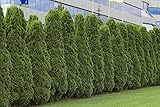
Are you dreaming of a lush, green privacy screen or a beautifully structured landscape? Arborvitae trees, with their elegant conical shape and dense foliage, are a popular choice for both. However, achieving that perfect aesthetic depends heavily on one crucial factor: knowing how far apart do you plant arborvitae trees. Planting them too close can lead to overcrowding, while planting them too far apart can leave gaps in your desired privacy or visual effect.
This comprehensive guide will delve into the intricacies of arborvitae spacing, providing you with all the information you need to ensure your trees thrive. We’ll cover various factors influencing spacing, from the specific arborvitae variety to your landscaping goals. We will also explore the long-term benefits of proper spacing and how to avoid common planting mistakes. Get ready to transform your landscape with the beauty and resilience of well-planted arborvitae trees!
Understanding Arborvitae and Their Growth Habits
Before diving into the specifics of spacing, it’s essential to understand arborvitae trees and their growth characteristics. Arborvitae, belonging to the genus Thuja, are evergreen conifers known for their dense, scale-like foliage and pyramidal or columnar growth habits. These trees are prized for their versatility, serving as excellent privacy screens, windbreaks, and ornamental features in gardens and landscapes.
Several factors influence the growth rate and mature size of arborvitae, and thus, their ideal spacing. These include the specific variety, the climate, the soil conditions, and the amount of sunlight the trees receive. Understanding these factors is crucial for making informed decisions about planting. Arborvitae trees typically have a moderate to fast growth rate, with some varieties adding up to 3 feet per year under optimal conditions. Their eventual size can range significantly, from small dwarf varieties reaching only a few feet in height to towering specimens that can exceed 60 feet.
Common Arborvitae Varieties and Their Size
Different arborvitae varieties have distinct growth patterns and mature sizes, which directly impact how far apart you should plant them. Selecting the right variety for your needs is crucial for achieving your desired outcome. Here’s a look at some of the most popular arborvitae varieties and their typical mature sizes:
- Emerald Green Arborvitae (Thuja occidentalis ‘Smaragd’): This popular variety is known for its vibrant green foliage and dense, pyramidal shape. It typically grows to 12-15 feet tall and 3-4 feet wide.
- Green Giant Arborvitae (Thuja plicata ‘Green Giant’): As the name suggests, this is a fast-growing, large variety that can reach 50-60 feet tall and 12-20 feet wide. It’s an excellent choice for creating a dense privacy screen quickly.
- American Arborvitae (Thuja occidentalis): This is the parent species, often reaching 40-60 feet tall and 10-15 feet wide. It is a very hardy and adaptable tree.
- Techny Arborvitae (Thuja occidentalis ‘Techny’): This variety grows to about 15 feet tall and 4-6 feet wide, offering a more compact option. It is known for its excellent cold hardiness.
- Dwarf Arborvitae varieties: Several dwarf varieties, such as ‘Little Giant’ or ‘Bobazam’, are available. These are ideal for smaller gardens or as accent plants, typically reaching only a few feet in height and width.
Factors Influencing Arborvitae Growth
Several factors beyond the variety itself influence how arborvitae trees grow and how far apart you should plant them. Understanding these factors will help you make the best planting choices for your specific situation. Consider the following key elements: (See Also: How to Repot a Lucky Bamboo Plant: A Step-by-Step Guide)
- Sunlight: Arborvitae trees thrive in full sun, which means at least six hours of direct sunlight per day. Insufficient sunlight can lead to sparse foliage and slower growth.
- Soil: Well-draining soil is essential for arborvitae. They prefer slightly acidic to neutral soil (pH 6.0-7.0). Poorly drained soil can lead to root rot.
- Water: Young arborvitae trees need regular watering, especially during dry periods. Mature trees are more drought-tolerant but still benefit from occasional deep watering.
- Climate: Arborvitae trees are generally hardy and can tolerate a wide range of climates. However, some varieties are better suited to colder or warmer regions.
- Wind: Strong winds can damage arborvitae trees, especially young ones. Planting in a sheltered location or providing windbreaks can help.
Determining the Right Spacing for Your Arborvitae
The ideal spacing for arborvitae trees depends on several factors, primarily your landscaping goals and the mature size of the chosen variety. Whether you’re aiming for a dense privacy screen, a formal hedge, or individual specimen trees, the spacing you choose will significantly impact the final appearance and health of your trees. Consider the following guidelines to determine the appropriate spacing for your arborvitae planting project.
Spacing for Privacy Screens and Hedges
When planting arborvitae for privacy screens or hedges, the goal is typically to create a dense, continuous wall of foliage. This requires closer spacing than planting for individual trees. Here’s how to determine the optimal spacing for this purpose:
- Consider the Variety’s Mature Width: Research the mature width of the arborvitae variety you’ve selected. This will be the primary factor in determining spacing.
- Dense Privacy Screen: For a very dense screen, plant the trees at a distance that is about one-third to one-half of their mature width. For example, if the variety grows to 6 feet wide, space the trees 2 to 3 feet apart. This will encourage the branches to interlock and create a solid barrier.
- Less Dense Hedge: If you desire a slightly less dense hedge or want to allow for more individual tree growth, space the trees at a distance that is about two-thirds of their mature width. For a 6-foot wide tree, this would be approximately 4 feet apart.
- Staggered Planting: For a denser look, consider staggering the trees in a double row. This means planting one row of trees and then planting a second row offset from the first. This creates a more solid screen, but requires more space and trees.
Spacing for Specimen Trees and Accent Plants
If you’re planting arborvitae as individual specimen trees or accent plants, the spacing requirements are different. The goal here is to allow each tree to develop its natural shape and form without overcrowding. Adequate spacing also promotes good air circulation, reducing the risk of disease.
- Consider the Mature Width: Again, research the mature width of the variety.
- Spacing for Individual Trees: Space the trees at a distance that is equal to their mature width. For example, if a tree grows to 8 feet wide, plant it 8 feet away from other trees or structures.
- Spacing for Groupings: If you’re planting a small group of arborvitae, space them slightly closer than their mature width to create a more cohesive visual effect, but ensure adequate spacing for air circulation.
- Avoid Overcrowding: Avoid planting trees too close together, as this can lead to competition for resources (water, nutrients, sunlight) and result in stunted growth, poor health, and increased susceptibility to diseases.
Using a Planting Calculator
Several online planting calculators can help you determine the optimal spacing for your arborvitae trees. These calculators typically ask for information such as the variety of arborvitae, your landscaping goals, and the desired density of the planting. The calculator then provides a recommended spacing distance. Using a planting calculator can be a helpful tool, especially for larger planting projects.
How to Measure and Mark Your Arborvitae Planting Spots
Once you’ve determined the appropriate spacing, it’s time to measure and mark the planting spots. Accurate measurements are crucial for ensuring your trees are planted at the correct distances. Proper marking will also help you visualize the final layout and ensure a neat and organized planting process. (See Also: How Often Should I Water My Rosemary Plant? A Complete Guide)
Gather Your Tools
Before you begin, gather the following tools and materials:
- Measuring tape or measuring wheel
- Stakes or flags
- String or twine
- Level (optional)
- Spray paint (optional, for marking the ground)
Measuring and Marking Steps
- Measure the Distance: Using your measuring tape or wheel, measure the distance between each planting spot. Refer to the spacing guidelines you determined earlier.
- Mark the Spots: Use stakes or flags to mark each planting spot. For a straight line, drive stakes into the ground at each end of the planting area and stretch a string or twine between them. Then, use the measuring tape to mark the planting spots along the string.
- Check for Level Ground: If your planting area is sloped, use a level to ensure the planting spots are at the same elevation. This will help create a more uniform appearance.
- Consider the Existing Landscape: Take into account any existing features, such as buildings, fences, or other trees. Ensure your arborvitae trees are planted at a safe distance from these features to prevent future conflicts.
Addressing Uneven Terrain
If your planting area has uneven terrain, you may need to adjust the planting depth to ensure the root balls of the arborvitae are at the correct level. Plant the trees at the same level as they were in their containers. If the area has a significant slope, consider terracing the area or planting trees in staggered rows to create a more level planting surface.
Planting Your Arborvitae Trees: A Step-by-Step Guide
With the planting spots marked, you’re ready to plant your arborvitae trees. Proper planting techniques are essential for ensuring the trees establish well and thrive. Follow these steps for successful planting:
Preparing the Planting Hole
Before planting, prepare the planting hole. The size of the hole is crucial for the healthy development of your arborvitae trees. Here’s how to prepare the planting hole properly:
- Dig the Hole: Dig a hole that is twice as wide as the root ball of the arborvitae tree and just as deep.
- Loosen the Soil: Use a garden fork or spade to loosen the soil at the bottom and sides of the hole. This will encourage root growth.
- Amend the Soil (Optional): If your soil is poor, amend it with compost or other organic matter. This will improve drainage and provide nutrients. Avoid adding too much organic matter, as it can lead to problems with drainage.
Planting the Tree
Once the hole is ready, it’s time to plant the tree. Carefully remove the tree from its container and place it in the hole. (See Also: Learn How to Plant Green Bean Seeds for a Bountiful Harvest!)
- Position the Tree: Position the tree in the hole, ensuring the top of the root ball is level with or slightly above the surrounding ground level.
- Backfill the Hole: Backfill the hole with the original soil, gently tamping it around the root ball. Avoid compacting the soil too much.
- Water Thoroughly: Water the tree thoroughly after planting. This will help settle the soil and reduce air pockets.
- Mulch the Area: Apply a layer of mulch around the base of the tree, keeping it a few inches away from the trunk. Mulch helps retain moisture, suppress weeds, and regulate soil temperature.
Aftercare and Maintenance
After planting, proper care and maintenance are essential for the health and longevity of your arborvitae trees. Regular watering, fertilization, and pruning are key components of a successful arborvitae planting project. Here’s a look at the essential aftercare steps:
- Watering: Water the trees regularly, especially during the first growing season. Water deeply but infrequently, allowing the soil to dry slightly between waterings.
- Fertilizing: Fertilize the trees in early spring with a balanced fertilizer formulated for evergreens. Follow the manufacturer’s instructions for application rates.
- Pruning: Prune the trees as needed to maintain their shape and remove any dead or damaged branches. Avoid heavy pruning, especially during the first few years.
- Pest and Disease Control: Monitor the trees for pests and diseases. Common pests include spider mites and bagworms. Common diseases include root rot and needle blight. Take appropriate action if any problems are detected.
- Weed Control: Regularly remove weeds from around the base of the trees to prevent competition for resources.
Common Mistakes to Avoid When Planting Arborvitae
Avoiding common planting mistakes can greatly improve the success of your arborvitae planting project. Here are some mistakes to avoid:
- Planting Too Deep: Planting the tree too deep can suffocate the roots and lead to poor growth.
- Overwatering: Overwatering can lead to root rot.
- Poor Soil Drainage: Arborvitae trees need well-draining soil. Avoid planting in areas with poor drainage.
- Planting Too Close: Planting trees too close together can lead to overcrowding and competition for resources. This is why knowing how far apart do you plant arborvitae trees is so important.
- Neglecting Aftercare: Failing to water, fertilize, or prune the trees properly can lead to poor growth and health problems.
Troubleshooting Common Problems
Even with the best planning and care, arborvitae trees can sometimes experience problems. Here’s how to troubleshoot common issues:
- Yellowing Foliage: Yellowing foliage can be caused by various factors, including nutrient deficiencies, overwatering, underwatering, or pests. Identify the cause and take appropriate action.
- Brown Tips: Brown tips can be caused by drought stress, winter burn, or pest infestations. Ensure the trees are adequately watered and protected from harsh conditions.
- Sparse Foliage: Sparse foliage can be caused by insufficient sunlight, poor soil conditions, or pest infestations. Improve the growing conditions or treat any pest problems.
- Pests and Diseases: Regularly inspect the trees for pests and diseases. Common pests include spider mites and bagworms. Common diseases include root rot and needle blight. Treat any problems promptly.
Long-Term Benefits of Proper Arborvitae Spacing
Planting arborvitae trees with proper spacing yields numerous long-term benefits, contributing to the health, aesthetics, and longevity of your landscape. Investing the time and effort to correctly space your arborvitae trees offers significant returns over the years. Consider these key advantages:
- Improved Air Circulation: Adequate spacing promotes good air circulation around the trees, reducing the risk of fungal diseases and pest infestations.
- Enhanced Sunlight Exposure: Proper spacing ensures each tree receives sufficient sunlight, promoting healthy growth and dense foliage.
- Reduced Competition for Resources: Trees planted with proper spacing have access to sufficient water, nutrients, and sunlight, leading to stronger, healthier growth.
- Longer Lifespan: Well-spaced trees are less stressed and more resistant to diseases and pests, leading to a longer lifespan.
- Aesthetically Pleasing Appearance: Proper spacing allows each tree to develop its natural shape and form, creating a more visually appealing landscape.
- Easier Maintenance: Trees planted with adequate spacing are easier to prune, fertilize, and maintain.
Conclusion
Successfully planting arborvitae trees requires careful consideration of spacing. By understanding the growth habits of arborvitae, determining your landscaping goals, and following the guidelines provided, you can create a beautiful and thriving landscape. Remember to consider the variety, the desired effect (privacy screen, hedge, or specimen tree), and the mature size when deciding how far apart do you plant arborvitae trees. With proper planning and care, your arborvitae trees will flourish, providing years of beauty and enjoyment.
Recommended Products