Is your trusty lawn mower starting to sound a little rough? Perhaps it’s been a while since you last gave it some TLC. One of the most crucial, yet often overlooked, maintenance tasks for any lawn mower is changing its oil. It’s not as daunting as it might sound, and doing it regularly can significantly extend the life of your machine and ensure it runs smoothly season after season.
Think of it like changing the oil in your car. The oil lubricates the engine’s moving parts, reduces friction, and helps dissipate heat. Over time, this oil gets dirty and breaks down, losing its effectiveness. That’s where we come in! This guide will walk you through exactly how to change the oil on your lawn mower, step-by-step, so you can get back to a perfectly manicured lawn with a happy, healthy mower.
Why Changing Your Lawn Mower’s Oil Is Essential
Before we dive into the nitty-gritty of how to change the oil on a lawn mower, let’s quickly touch on why this task is so important. Your lawn mower’s engine is a complex piece of machinery, and its oil is its lifeblood.
The Crucial Role of Engine Oil
- Lubrication: The primary job of engine oil is to reduce friction between moving parts. Without proper lubrication, metal-on-metal contact can lead to excessive wear, overheating, and eventually, catastrophic engine failure.
- Cooling: While the cooling fins on the engine block do most of the heavy lifting, oil also plays a role in carrying away heat generated by combustion and friction.
- Cleaning: As oil circulates, it picks up small particles of dirt, metal shavings, and combustion byproducts. These contaminants are then trapped in the oil filter (if your mower has one) or settle in the oil pan.
- Sealing: Oil helps create a seal between the piston rings and cylinder walls, which is vital for maintaining compression and engine efficiency.
- Corrosion Prevention: Oil coats metal surfaces, protecting them from rust and corrosion, especially in humid conditions or when the mower is stored for extended periods.
Signs Your Lawn Mower Needs an Oil Change
While it’s best to stick to a regular maintenance schedule, your mower might give you some clues that an oil change is overdue:
- Dark or Gritty Oil: If the oil on your dipstick looks very dark, almost black, or you can feel grit when you rub it between your fingers, it’s definitely time for a change.
- Unusual Engine Sounds: A sputtering, knocking, or grinding sound can indicate insufficient lubrication.
- Overheating: If your mower’s engine is running hotter than usual, it could be a sign of old, degraded oil.
- Visible Smoke: Blue or white smoke coming from the exhaust can sometimes be related to oil issues, though it can also indicate other problems.
- Manufacturer’s Recommendation: Most mower manuals specify an oil change interval, usually based on hours of use (e.g., every 25-50 hours) or annually.
Gathering Your Supplies: What You’ll Need
Before you start, having all your tools and supplies ready will make the process smooth and efficient. Here’s a checklist:
Essential Tools and Materials
- New Engine Oil: Check your lawn mower’s manual for the recommended oil type and viscosity (e.g., SAE 30, 10W-30). Using the wrong oil can damage your engine.
- Oil Filter (if applicable): Some mowers have an oil filter. If yours does, you’ll need a replacement.
- Wrench or Socket Set: To remove the drain plug. The size will vary depending on your mower model.
- Oil Drain Pan: A container to catch the old oil. Make sure it’s large enough to hold all the oil from your mower.
- Funnel: To pour the new oil into the engine without spills.
- Rags or Paper Towels: For wiping up any drips or spills.
- Gloves: To keep your hands clean.
- Safety Glasses: To protect your eyes from any splashes.
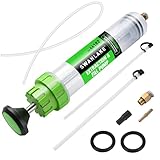
- Optional: Oil Extractor Pump: If your mower doesn’t have an easy-to-access drain plug, an extractor pump can be very helpful for siphoning oil through the fill tube.
- Optional: Cardboard or Drop Cloth: To protect your workspace from oil spills.
Step-by-Step Guide: How to Change Your Lawn Mower Oil
Let’s get down to business! Follow these steps carefully to ensure a successful oil change.
Step 1: Prepare Your Workspace and Mower
Safety first! Ensure your mower is on a flat, level surface. A slightly sloped surface can cause oil to drain unevenly and may lead to inaccurate readings. If you’ve just finished mowing, let the engine cool down for about 15-20 minutes. You want the oil to be warm, as it flows better when warm, but not so hot that it can burn you.
Tip: Place some cardboard or a drop cloth under the mower to catch any accidental spills. This will save you a lot of cleanup later. (See Also: Master How to Throw Lawn Darts: A Backyard Game Guide)
Step 2: Locate the Oil Drain Plug (or Prepare for Extraction)
The location of the oil drain plug varies by mower model. It’s usually found on the underside of the engine block. Consult your owner’s manual if you’re unsure. Some mowers have a specific drain plug, while others might require you to tilt the mower to drain the oil from the fill tube.
If your mower has a drain plug: You’ll typically find it at the lowest point of the oil pan.
If your mower does NOT have a drain plug (or it’s hard to access): You’ll likely need an oil extractor pump. These pumps allow you to siphon the old oil out through the oil fill tube.
Step 3: Drain the Old Oil
For Mowers with a Drain Plug:
- Position your oil drain pan directly underneath the drain plug.
- Using the appropriate wrench or socket, carefully loosen and remove the drain plug. Be prepared for the oil to start flowing immediately.
- Allow the oil to drain completely. This may take several minutes.
- Once the oil has finished draining, clean the drain plug and the surrounding area. Inspect the drain plug for any damage.
- Reinstall the drain plug and tighten it securely, but do not overtighten, as this can strip the threads.
For Mowers Requiring Oil Extraction:
- Insert the hose of your oil extractor pump into the oil fill tube, pushing it down as far as it will go.
- Operate the pump according to its instructions to siphon the old oil into the pump’s reservoir.
- Continue pumping until no more oil can be extracted.
- Remove the pump and its hose.
Step 4: Replace the Oil Filter (if Applicable)
If your lawn mower has an oil filter, this is the time to replace it.
- Locate the oil filter. It’s usually a cylindrical canister attached to the engine.
- Place your drain pan underneath the oil filter, as some residual oil will likely spill out when you remove it.
- Use an oil filter wrench to loosen and remove the old filter.
- Before installing the new filter, lightly coat the rubber gasket of the new filter with a bit of new engine oil. This helps create a good seal and makes it easier to remove next time.
- Screw the new oil filter on by hand until the gasket makes contact with the engine block. Then, tighten it an additional 1/2 to 3/4 turn, or as recommended by the filter manufacturer. Do not overtighten.
Step 5: Add New Engine Oil
Now for the fresh stuff! (See Also: How to Wire Lights on a Lawn Mower: Illuminate Your Yard!)
- Locate the oil fill tube. It usually has a cap with an oil can symbol or the word “OIL” on it.
- Remove the oil fill cap and insert your funnel.
- Refer to your owner’s manual for the exact oil capacity of your engine. It’s better to add a little less than the full amount initially and then check the level.
- Slowly pour the new, recommended engine oil into the fill tube using the funnel.
- Once you’ve added the approximate amount, remove the funnel and replace the oil fill cap.
Step 6: Check the Oil Level
This is a critical step to ensure you haven’t over or underfilled the engine.
- Locate the oil dipstick. It’s usually near the oil fill tube and has a loop or handle.
- Pull out the dipstick and wipe it clean with a rag.
- Reinsert the dipstick fully, then pull it out again.
- Check the oil level against the markings on the dipstick. There should be “ADD” and “FULL” (or similar) marks. The oil level should be between these two marks, ideally closer to the “FULL” mark without going over.
- If the oil level is too low, add a small amount of oil at a time, rechecking the level after each addition.
- If, by chance, you’ve overfilled it, you’ll need to drain out the excess oil.
Step 7: Start the Engine and Check for Leaks
Almost there!
- Start the lawn mower’s engine and let it run for a minute or two.
- While the engine is running, carefully inspect the area around the drain plug (if applicable) and the oil filter for any signs of leaks.
- If you see any leaks, immediately shut off the engine and tighten the drain plug or oil filter slightly. If the leak persists, you may need to re-seat the drain plug or filter, or there might be a more significant issue.
- Once you’re confident there are no leaks, shut off the engine.
Step 8: Final Oil Level Check and Cleanup
Give it one last check.
- Allow the engine to cool down for a few minutes.
- Check the oil level on the dipstick one more time and top off if necessary.
- Wipe away any spilled oil from the engine and surrounding areas.
- Properly dispose of the old oil. Most auto parts stores and local recycling centers accept used motor oil. Never pour it down the drain or into the environment.
Common Lawn Mower Oil Change Faqs
Here are some questions people often ask when changing their lawn mower oil:
How Often Should I Change My Lawn Mower Oil?
This depends on your mower’s usage and manufacturer’s recommendations. A general rule of thumb is to change the oil every 25-50 hours of operation, or at least once a year. If you use your mower very heavily, you might need to do it more frequently. Always refer to your owner’s manual for the most accurate schedule.
What Kind of Oil Does a Lawn Mower Need?
Most walk-behind lawn mowers use SAE 30 or 10W-30 motor oil. However, the *exact* type and viscosity are crucial and depend on your mower’s engine and the climate you operate in. Your owner’s manual is the definitive source for this information. Using the wrong oil can cause significant engine damage.
Can I Use Car Oil in My Lawn Mower?
While some car oils might have the correct viscosity, lawn mower engines operate under different conditions (higher RPMs, less airflow, often air-cooled) than car engines. It’s generally best to use oil specifically designed for small engines or lawn mowers, as recommended by your manufacturer. Check your manual! (See Also: Conquer Wild Violets: Your Guide on How to Control Wild…)
My Mower Doesn’t Have a Drain Plug. How Do I Change the Oil?
As mentioned, many mowers, especially smaller ones, don’t have a drain plug. In these cases, you’ll need to use an oil extractor pump. You insert the pump’s tube into the oil fill hole and siphon the old oil out. It’s a bit more manual but achieves the same result.
How Much Oil Does a Lawn Mower Take?
The oil capacity varies greatly depending on the size and model of your lawn mower. Most walk-behind mowers take between 0.4 to 0.6 liters (about 1 to 2 pints) of oil. Always consult your owner’s manual for the precise capacity to avoid overfilling or underfilling.
What Happens If I Don’t Change the Oil on My Lawn Mower?
Neglecting oil changes can lead to premature engine wear, overheating, reduced performance, increased fuel consumption, and ultimately, a shortened lifespan for your lawn mower. In severe cases, it can cause catastrophic engine failure, making the mower irreparable.
Is It Okay to Change the Oil When the Engine Is Hot?
It’s generally recommended to change the oil when the engine is warm, not scorching hot. Warm oil flows more freely, allowing for a more complete drain. However, let the engine cool down for about 15-20 minutes after use to avoid burns. Never drain hot oil.
How Do I Dispose of Old Lawn Mower Oil?
Proper disposal is essential for environmental protection. Never pour old oil down drains, onto the ground, or into waterways. Most auto parts stores, service centers, and local hazardous waste disposal facilities accept used motor oil for recycling. Some municipalities also have collection days for household hazardous waste.
Conclusion
Changing your lawn mower’s oil is a straightforward maintenance task that pays significant dividends in the longevity and performance of your equipment. By following these steps, you can confidently perform this essential service yourself, saving money and ensuring your mower is always ready to tackle your lawn. Regular oil changes are a cornerstone of good mower care, keeping its engine healthy and running smoothly for years to come.
Recommended Products