So, you’re staring at your garden, maybe noticing some yellowing leaves or stunted growth, and you suspect a potassium deficiency? You’re not alone! Potassium is a crucial nutrient for plant health, playing a vital role in everything from water regulation to disease resistance. Fortunately, adding potassium to your soil is a manageable task, and the results – vibrant, productive plants – are well worth the effort.
This guide will walk you through everything you need to know about potassium, its importance, how to identify a deficiency, and, most importantly, how do you add potassium to soil to get your plants flourishing. We’ll explore various methods, from organic solutions to commercial fertilizers, empowering you to make informed decisions for your specific garden needs. Let’s get started!
Understanding Potassium: The Plant Powerhouse
Before we dive into how to add potassium, let’s understand why it’s so important. Potassium (K), often referred to as potash, is one of the three primary macronutrients essential for plant growth, alongside nitrogen (N) and phosphorus (P). Think of it as a plant’s internal regulator, working behind the scenes to keep everything running smoothly.
What does potassium do?
- Water Regulation: Potassium helps plants absorb and retain water, making them more resilient during droughts.
- Photosynthesis: It’s involved in the process of photosynthesis, enabling plants to convert sunlight into energy.
- Enzyme Activation: Potassium activates enzymes that are essential for various metabolic processes.
- Disease Resistance: It strengthens cell walls, making plants less susceptible to diseases and pests.
- Nutrient Transport: Potassium assists in the movement of sugars and nutrients throughout the plant.
- Fruit and Flower Development: It plays a key role in the formation of fruits, flowers, and seeds.
Why is potassium so important? Without sufficient potassium, plants struggle to thrive. They become more vulnerable to environmental stresses and produce lower yields. A potassium-deficient plant is a stressed plant.
Identifying Potassium Deficiency
Recognizing a potassium deficiency is the first step toward correcting it. Here’s what to look for:
- Yellowing (Chlorosis): Older leaves often show yellowing along the edges or between the veins, while the veins themselves remain green. This can progress to browning and leaf death.
- Stunted Growth: Plants may grow slowly and appear smaller than expected.
- Weak Stems: Stems may be weak and prone to lodging (falling over).
- Poor Fruit/Flower Development: Fruits and flowers may be small, deformed, or fail to develop properly.
- Increased Susceptibility to Disease: Plants become more vulnerable to fungal infections and other diseases.
Important Note: Symptoms of potassium deficiency can sometimes be confused with other nutrient deficiencies or diseases. A soil test is the most accurate way to confirm a potassium deficiency. We’ll discuss soil testing later.
What Causes Potassium Deficiency?
Several factors can contribute to potassium deficiency in your soil: (See Also: Unlock Thriving Gardens: How to Increase Soil Microbial Activity for Bountiful Harvests)
- Leaching: Potassium is a mobile nutrient and can be easily leached from the soil, especially in sandy soils or areas with heavy rainfall.
- Soil pH: Extreme soil pH levels (very acidic or alkaline) can reduce potassium availability.
- Nutrient Imbalance: High levels of other nutrients, such as calcium or magnesium, can interfere with potassium uptake.
- Over-cropping: Continuous cropping without replenishing nutrients can deplete potassium levels.
- Poor Soil Structure: Soils with poor drainage or compaction can hinder root growth and nutrient absorption.
People Also Ask: Do tomato plants need potassium? Yes, tomato plants, like many fruiting plants, have a high demand for potassium. Potassium is vital for fruit development, size, and flavor.
How to Add Potassium to Soil: Methods and Materials
Now, let’s get to the main event: how do you add potassium to soil? There are several effective methods, ranging from organic options to synthetic fertilizers. The best approach depends on your soil type, the severity of the deficiency, and your gardening philosophy. Here’s a breakdown:
1. Organic Sources of Potassium
Organic methods are a great choice if you prefer a natural and sustainable approach. They often improve soil health in addition to providing potassium.
- Wood Ash: This is a readily available source of potassium. Wood ash from burned hardwood contains a significant amount of potash. However, it also raises soil pH, so use it cautiously, especially in already alkaline soils.
- Greensand: A naturally occurring mineral that contains potassium, along with other trace minerals. Greensand releases potassium slowly, making it a good long-term solution.
- Kelp Meal: Made from dried seaweed, kelp meal is rich in potassium and many other beneficial nutrients. It also improves soil structure and water retention.
- Compost: Compost, particularly composted fruit and vegetable scraps, provides a moderate amount of potassium and improves soil fertility.
- Banana Peels: While not a concentrated source, banana peels contain potassium. Burying them in the soil around your plants can provide a slow release of potassium. You can also make a banana peel tea by soaking peels in water and using the infused water to irrigate your plants.
How to use organic potassium sources:
- Wood Ash: Apply sparingly, about 1-2 pounds per 100 square feet, and work it into the soil. Test your soil pH beforehand.
- Greensand: Incorporate at a rate of 1-2 pounds per 100 square feet. It can also be used as a top dressing.
- Kelp Meal: Mix into the soil before planting, following package instructions.
- Compost: Amend your soil with a generous layer of compost (2-4 inches) annually.
- Banana Peels: Bury chopped banana peels a few inches deep around your plants, or steep them in water to make a tea.
2. Commercial Potassium Fertilizers
Commercial fertilizers offer a more concentrated and readily available source of potassium. They come in various forms, each with its own advantages and disadvantages.
- Potassium Chloride (Muriate of Potash – MOP): The most common and cost-effective potassium fertilizer. It contains about 60% potassium oxide (K2O). However, it contains chloride, which can be harmful to some plants in high concentrations.
- Potassium Sulfate (Sulfate of Potash – SOP): A good choice for chloride-sensitive plants. It contains about 50% K2O and provides sulfur, another essential nutrient.
- Potassium Nitrate: Contains both potassium and nitrogen, making it a good choice for plants that need both nutrients.
- Potassium Magnesium Sulfate (Langbeinite): Contains potassium, magnesium, and sulfur, offering a multi-nutrient boost.
How to use commercial potassium fertilizers:
- Read and follow label instructions carefully. Fertilizer application rates vary depending on the product and the needs of your plants.
- Conduct a soil test to determine the exact amount of potassium needed.
- Apply fertilizer evenly over the soil surface and incorporate it into the top few inches.
- Water thoroughly after application to help the fertilizer dissolve and reach the roots.
- Consider the timing. Some fertilizers are best applied before planting, while others can be used as a side dressing during the growing season.
People Also Ask: Is muriate of potash good for tomatoes? Yes, muriate of potash can be used for tomatoes, but use it with caution, especially in sandy soils. Ensure you follow the recommended application rates. (See Also: How to Acidify the Soil: Your Ultimate Guide for Thriving Plants)
3. Soil Testing: The Key to Success
Before you start adding potassium, it’s crucial to know how much your soil already contains. A soil test provides this information, along with other valuable data about your soil’s pH, nutrient levels, and texture. Soil testing helps you avoid over-fertilizing, which can be harmful to plants and the environment.
How to get a soil test:
- Contact your local agricultural extension office. They usually offer affordable and reliable soil testing services.
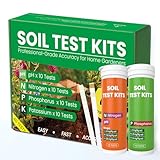
- Purchase a soil testing kit from a garden center or online retailer.
- Collect a soil sample according to the test kit or extension office’s instructions. This usually involves taking samples from several locations in your garden and mixing them together.
- Send your sample to the lab for analysis.
- Receive your soil test results, which will include recommendations for fertilizer application based on your soil’s specific needs.
Interpreting Soil Test Results: Your soil test results will indicate the potassium level in your soil, usually expressed as parts per million (ppm) or pounds per acre. The results will also provide recommendations for how much potassium to add based on your plant’s needs and the current potassium level.
4. Best Practices for Potassium Application
To ensure your plants benefit from potassium fertilization, follow these best practices:
- Timing is important. Apply potassium before planting for slow-release sources like greensand or kelp meal. For faster-acting fertilizers, you can apply them during the growing season, but avoid over-fertilizing.
- Watering is crucial. Water your plants thoroughly after applying potassium fertilizer to help it dissolve and reach the roots.
- Consider the plant’s needs. Different plants have different potassium requirements. Fruiting vegetables (tomatoes, peppers, etc.) and heavy feeders (corn, squash) generally need more potassium than leafy greens.
- Don’t overdo it. Too much potassium can lead to nutrient imbalances and other problems. Always follow soil test recommendations and fertilizer label instructions.
- Monitor your plants. Observe your plants for signs of improvement after applying potassium. If the deficiency persists, re-evaluate your methods and consider a follow-up soil test.
- Soil pH matters. Maintain a soil pH within the optimal range (usually 6.0-7.0) for the best potassium availability. Amend your soil with lime or sulfur if necessary to adjust the pH.
5. Choosing the Right Potassium Source for Your Garden
The best potassium source for your garden depends on several factors:
- Soil Type: Sandy soils tend to leach potassium more readily, so you might need to use a slow-release source like greensand or kelp meal. Clay soils hold potassium better, so you can use a wider range of options.
- Plant Type: Fruiting vegetables and heavy feeders require more potassium than other plants.
- Severity of Deficiency: If the deficiency is severe, a fast-acting fertilizer may be needed to quickly correct the problem.
- Organic vs. Synthetic: If you prefer organic gardening, choose organic potassium sources.
- Cost: Commercial fertilizers are generally more cost-effective than organic sources, but the long-term benefits of organic matter may outweigh the initial cost.
- Soil Health: Organic sources generally improve soil health and structure.
Example Scenarios:
- For a general garden with a mild potassium deficiency: Amend the soil with compost and apply a slow-release organic source like greensand before planting.
- For tomatoes with a severe potassium deficiency: Conduct a soil test, then apply a potassium fertilizer (like SOP) according to the soil test recommendations.
- For a sandy soil: Incorporate kelp meal and compost to help retain potassium and improve soil structure.
6. Potassium and Other Nutrients: A Balanced Approach
Potassium doesn’t work in isolation. It’s essential to consider the balance of other nutrients in your soil. (See Also: Dollar General Potting Soil Prices: Find Out How Much It Costs!)
- Nitrogen (N): Nitrogen is crucial for leaf growth. While potassium helps with overall plant health, nitrogen fuels the vegetative growth.
- Phosphorus (P): Phosphorus is essential for root development, flowering, and fruiting. Potassium assists in nutrient transport throughout the plant, including phosphorus.
- Micronutrients: Don’t forget the importance of micronutrients like iron, manganese, and zinc. They are needed in smaller amounts, but they are just as important. A balanced approach ensures your plants receive all the nutrients they need to thrive.
People Also Ask: Can I add potassium and phosphorus at the same time? Yes, you can generally apply potassium and phosphorus fertilizers simultaneously, as long as you follow the recommended application rates and ensure they’re appropriate for your soil test results and plant needs. Combining these nutrients can be very beneficial for plant growth, particularly in the early stages.
7. Troubleshooting Potassium Problems
Even with the best intentions, problems can arise. Here’s how to troubleshoot common potassium-related issues:
- Yellowing persists: Double-check your soil test results and ensure you’re using the correct fertilizer rate. Consider other potential causes, such as a nitrogen deficiency or a disease.
- Plants are still stunted: Ensure adequate sunlight, water, and drainage. Rule out any pest or disease issues.
- Fruit/flower development is poor: Evaluate the levels of phosphorus and other nutrients essential for fruit and flower production.
- Soil pH is off: Correct any pH imbalances with lime or sulfur.
- Over-fertilization: If you suspect over-fertilization, flush the soil with water to help remove excess nutrients.
People Also Ask: Does Epsom salt contain potassium? No, Epsom salt (magnesium sulfate) does not contain potassium. It provides magnesium and sulfur, but not potassium.
8. Long-Term Soil Health and Potassium Management
Sustainable gardening is about building healthy soil and creating a thriving ecosystem. Here’s how to manage potassium for the long term:
- Composting: Regularly add compost to your garden to replenish potassium and other nutrients.
- Cover Cropping: Plant cover crops (such as rye, clover, or buckwheat) to improve soil structure, prevent erosion, and add organic matter. Some cover crops can also help scavenge potassium from deeper soil layers.
- Crop Rotation: Rotate your crops to avoid depleting specific nutrients in the soil.
- Mulching: Use mulch (such as straw, wood chips, or shredded leaves) to conserve moisture, suppress weeds, and add organic matter to the soil.
- Monitor and Adjust: Regularly monitor your plants and soil, and adjust your potassium management practices as needed.
People Also Ask: How long does potassium last in soil? The longevity of potassium in the soil depends on several factors, including the soil type, rainfall, and the type of potassium source used. Slow-release sources like greensand can provide potassium for years, while water-soluble fertilizers are more readily available but can leach out more quickly. Regular soil testing is the best way to monitor potassium levels.
By understanding the role of potassium, identifying deficiencies, and implementing appropriate management practices, you can ensure your plants receive the potassium they need to thrive. Remember that successful gardening is an ongoing process of learning, observing, and adapting. With the knowledge and tools provided in this guide, you are well-equipped to create a thriving garden.
Verdict
Adding potassium to your soil is a manageable and rewarding endeavor. By understanding its importance, identifying deficiencies, and choosing the right methods, you can significantly enhance your plants’ health and productivity. Remember to test your soil, choose the appropriate potassium source for your needs, and maintain a balanced approach to nutrient management for long-term success. Happy gardening!
Recommended Products