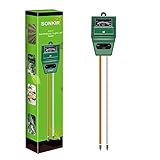
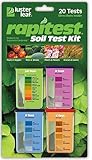
You want a thriving garden, right? A lush lawn, vibrant flowers, and bountiful vegetables are the dreams of many a gardener. But sometimes, despite your best efforts, things just don’t grow as expected. One of the most critical factors influencing plant health is the soil pH level. So, how do I test my soil pH level? The good news is, it’s easier than you might think!
We’ll walk you through everything you need to know, from understanding what pH is to choosing the right testing method and interpreting your results. Get ready to unlock the secrets of your soil and watch your garden flourish. Let’s dive in and get your hands dirty (metaphorically, of course, unless you want to!).
Understanding your soil’s pH is like understanding the foundation of your home. It’s fundamental to everything that grows in it. Plants thrive in a specific pH range, and if the soil is too acidic or too alkaline, they can’t properly absorb essential nutrients. This can lead to stunted growth, yellowing leaves, and ultimately, a disappointing harvest. So, what exactly *is* soil pH?
What Is Soil Ph?
Soil pH is a measure of the acidity or alkalinity of your soil. It’s measured on a scale from 0 to 14, with:
- 7 being neutral
- Below 7 being acidic
- Above 7 being alkaline (also called basic)
Most plants prefer a slightly acidic to neutral pH, typically between 6.0 and 7.0. However, the ideal pH varies depending on the plant species. Some plants, like blueberries and azaleas, prefer more acidic soil (around 4.5 to 5.5), while others, like lavender and clematis, prefer slightly alkaline soil (7.0 to 7.5). Why is this important? The pH level directly affects the availability of nutrients in the soil. At the wrong pH, even if nutrients are present, plants may not be able to absorb them.
Let’s look at a simple table to illustrate the impact of pH on nutrient availability:
| Nutrient | Optimal pH Range for Availability | Notes |
|---|---|---|
| Nitrogen (N) | 6.0 – 7.5 | Essential for leafy growth. |
| Phosphorus (P) | 6.0 – 7.0 | Crucial for root development and flowering. Availability decreases significantly above pH 7.5 and below pH 5.5. |
| Potassium (K) | 6.0 – 7.5 | Important for overall plant health and disease resistance. |
| Calcium (Ca) | 6.0 – 7.5 | Essential for cell wall formation. |
| Magnesium (Mg) | 6.0 – 7.5 | Component of chlorophyll. |
| Iron (Fe) | 5.0 – 6.5 | Important for chlorophyll production. Often becomes unavailable in alkaline soil. |
| Manganese (Mn) | 5.0 – 6.5 | Essential for photosynthesis. |
| Boron (B) | 5.0 – 7.0 | Important for cell wall formation and sugar transport. |
| Copper (Cu) | 5.0 – 7.0 | Essential for enzyme function. |
| Zinc (Zn) | 5.0 – 7.0 | Important for enzyme function and growth hormones. |
| Molybdenum (Mo) | 6.0 – 7.5 | Important for nitrogen metabolism. Availability increases with pH. |
As you can see, the sweet spot for nutrient availability is generally between pH 6.0 and 7.0. Outside of this range, nutrient deficiencies can easily occur, even if the nutrients are present in the soil. So, testing your soil pH is the first step towards a healthy, thriving garden.
Why Is Soil Ph Important?
Beyond nutrient availability, soil pH impacts several other critical aspects of plant health:
- Nutrient Availability: As mentioned above, the pH level directly affects how easily plants can absorb essential nutrients.
- Microorganism Activity: Soil pH influences the activity of beneficial microorganisms, such as bacteria and fungi, that are vital for breaking down organic matter and releasing nutrients.
- Toxic Metal Solubility: In acidic soils, certain metals like aluminum and manganese can become more soluble and reach toxic levels for plants.
- Root Growth: Extreme pH levels can hinder root growth, limiting the plant’s ability to absorb water and nutrients.
- Disease Resistance: Healthy soil pH promotes overall plant health, making them less susceptible to diseases.
In short, knowing your soil pH is crucial for:
- Choosing the right plants for your garden.
- Ensuring plants can access the nutrients they need.
- Preventing nutrient deficiencies.
- Maximizing plant growth and yield.
How to Test Your Soil Ph Level: Methods and Tools
Now that you understand the importance of soil pH, let’s get to the practical part: how to test it. There are several methods available, ranging from simple DIY tests to more sophisticated (and expensive) options. Here’s a breakdown of the most common methods:
1. Ph Test Strips
pH test strips are a budget-friendly and easy-to-use option, perfect for beginners. They typically come in a box with a set of strips and a color chart. Here’s how to use them:
- Collect a soil sample: Dig a small amount of soil from the area you want to test, about 4-6 inches deep. Remove any rocks, roots, or debris.
- Prepare the soil sample: Mix the soil with distilled water (tap water can alter the results) in a clean container. You’ll want a slurry – a mixture that’s a bit thicker than muddy water. A good ratio is usually about 1 part soil to 1 part water.
- Insert the test strip: Dip a pH test strip into the soil slurry for a few seconds, following the manufacturer’s instructions.
- Compare the color: Remove the strip and compare the color of the strip to the color chart provided with the test strips. The color chart will indicate the pH level.
- Record your results: Note the pH level to help you determine if your soil is acidic, alkaline, or neutral.
Pros:
- Inexpensive.
- Easy to use.
- Requires no batteries or electricity.
Cons:
- Less accurate than other methods.
- Can be difficult to get a precise reading.
- Results can vary depending on the quality of the strips.
2. Liquid Soil Testing Kits
Liquid soil testing kits offer a step up in accuracy from pH test strips. These kits usually include a vial, test solutions, and a color chart. The process involves mixing soil with the test solutions and observing the color change. (See Also: How to Get Rich Soil in Dreamlight Valley: A Gardener’s Guide)
- Collect a soil sample: As with the pH test strips, collect a soil sample from the area you want to test.
- Prepare the soil sample: Usually, the kit will provide a container and specific instructions on how much soil and water to use. Follow these instructions precisely for accurate results.
- Add the test solution: Add the provided test solution to the soil and water mixture.
- Shake and wait: Shake the vial according to the kit’s instructions and wait for the specified time (usually a few minutes).
- Observe the color change: Compare the color of the solution to the color chart provided with the kit to determine the pH level.
- Record your results: Note the pH level.
Pros:
- More accurate than pH test strips.
- Provides a more precise pH reading.
- Relatively inexpensive.
Cons:
- Can be slightly more complex to use than pH test strips.
- Requires mixing chemicals, so follow the instructions carefully.
3. Digital Ph Meters
Digital pH meters are the most accurate and convenient option for testing soil pH. They use a probe to measure the pH directly. Digital meters come in various forms, from simple handheld models to more advanced, feature-rich options.
- Prepare the soil sample: While some digital meters can be inserted directly into the soil, others require a soil slurry. If using a slurry, mix a small amount of soil with distilled water.
- Calibrate the meter (if necessary): Before using a digital pH meter, you usually need to calibrate it using calibration solutions. This ensures accurate readings. Follow the meter’s instructions for calibration.
- Insert the probe: Insert the probe of the meter into the soil slurry or directly into the soil. Ensure the probe is fully immersed.
- Wait for the reading: Allow the meter to stabilize and display the pH reading. This usually takes a few seconds.
- Record your results: Note the pH level displayed on the meter.
- Clean the probe: After use, clean the probe with distilled water to remove any soil residue and ensure accurate readings for future tests.
Pros:
- Highly accurate.
- Easy to use.
- Provides a digital readout.
- Fast results.
Cons:
- More expensive than other methods.
- Requires batteries.
- Probes can be fragile and need to be handled with care.
4. Soil Testing Services
Soil testing services offer the most comprehensive and accurate analysis of your soil. You send a soil sample to a laboratory, and they provide detailed reports on pH, nutrient levels, and other important soil properties.
- Collect a soil sample: Follow the soil testing service’s instructions for collecting a soil sample. This usually involves taking multiple samples from different areas of your garden.
- Prepare the sample: Package the soil sample according to the service’s instructions.
- Send the sample: Mail the sample to the soil testing laboratory.
- Receive the results: The laboratory will send you a detailed report with the results of the analysis, including the pH level and recommendations for soil amendments.
- Follow the recommendations: Use the recommendations provided in the report to improve your soil’s pH and nutrient levels.
Pros:
- Most accurate.
- Provides a comprehensive analysis of your soil.
- Offers specific recommendations for soil amendments.
Cons:
- Most expensive.
- Requires sending a sample to a lab, which takes time.
How to Take a Soil Sample
No matter which testing method you choose, the quality of your soil sample is crucial for accurate results. Here’s how to take a proper soil sample:
- Choose your sampling areas: Divide your garden into different areas, especially if you suspect varying soil conditions. For example, test areas with different plant types, areas that receive different amounts of sunlight, or areas that have different drainage properties.
- Use a clean tool: Use a clean trowel, shovel, or soil probe to collect your samples. Avoid using tools that have been used to handle fertilizers or other chemicals.
- Dig to the correct depth: For lawns and annuals, sample to a depth of 4-6 inches. For established shrubs and trees, sample to a depth of 6-12 inches.
- Collect multiple subsamples: In each sampling area, collect several subsamples (around 5-10) from different spots.
- Mix the subsamples: Mix the subsamples thoroughly in a clean bucket or container to create a composite sample for that area. This helps to get a more representative reading.
- Remove debris: Remove any rocks, roots, or other debris from the composite sample.
- Label your samples: Clearly label each sample with the area it represents.
- Follow testing instructions: Once you have your soil samples, follow the specific instructions for the testing method you’ve chosen.
Interpreting Your Soil Ph Test Results
Once you’ve tested your soil, you’ll need to interpret the results. As mentioned earlier, most plants thrive in a slightly acidic to neutral range (6.0 to 7.0). However, the ideal pH varies depending on the plant species.
Here’s a general guide to interpreting your pH test results:
- Below 5.5: Your soil is very acidic. You’ll likely need to add lime to raise the pH.
- 5.5 – 6.0: Your soil is moderately acidic. You might consider adding lime, especially if you’re growing plants that prefer a higher pH.
- 6.0 – 7.0: Your soil is in the ideal range for most plants.
- 7.0 – 7.5: Your soil is slightly alkaline. You may need to add sulfur or other acidifying agents to lower the pH, especially for acid-loving plants.
- Above 7.5: Your soil is very alkaline. You’ll likely need to add sulfur or other acidifying agents to lower the pH.
Remember that these are general guidelines. Always research the specific pH preferences of the plants you want to grow. You can find this information in plant care guides, online resources, or by consulting with a local gardening expert.
Adjusting Soil Ph: How to Amend Your Soil
If your soil pH is outside the ideal range, you can amend it to create a more favorable environment for your plants. Here’s how: (See Also: How Much Soil Do I Need for a Raised Bed? A Simple Guide)
Raising Soil Ph (making It Less Acidic)
If your soil is too acidic (low pH), you’ll need to add lime. Lime is a general term for calcium carbonate (agricultural lime), dolomite lime (which also contains magnesium), or hydrated lime. The type and amount of lime you need will depend on your soil type and the desired pH change. Always follow the instructions on the lime product you choose.
Here’s a brief overview of the types of lime:
- Agricultural Lime: The most common type, made from ground limestone (calcium carbonate).
- Dolomite Lime: Contains both calcium carbonate and magnesium carbonate. Good if your soil is also magnesium-deficient.
- Hydrated Lime: Also known as slaked lime (calcium hydroxide). It acts faster than agricultural lime but is more caustic, so handle with care.
How to Apply Lime:
- Test your soil pH: Before adding lime, test your soil to determine the current pH level.
- Calculate the amount: Use a soil test report or a soil amendment chart to determine how much lime to add. The amount will depend on your soil type (sandy soils require less lime than clay soils) and the desired pH change.
- Spread the lime: Spread the lime evenly over the soil surface.
- Incorporate the lime: Till or cultivate the lime into the soil to a depth of 6-8 inches. This helps the lime react with the soil and raise the pH more effectively.
- Water the soil: Water the soil thoroughly after applying lime.
- Retest your soil: Wait a few months and retest your soil pH to see if the lime has had the desired effect. You may need to apply more lime if necessary.
Lowering Soil Ph (making It More Acidic)
If your soil is too alkaline (high pH), you’ll need to add acidifying agents. Common options include:
- Elemental Sulfur: A slow-acting amendment that converts to sulfuric acid in the soil.
- Aluminum Sulfate: Acts quickly but can be toxic in high concentrations.
- Ammonium Sulfate: A fertilizer that also lowers pH.
- Sphagnum Peat Moss: Can be incorporated into the soil to slightly lower the pH.
How to Apply Acidifying Agents:
- Test your soil pH: Before adding any acidifying agents, test your soil to determine the current pH level.
- Calculate the amount: Use a soil test report or a soil amendment chart to determine how much amendment to add. The amount will depend on your soil type and the desired pH change.
- Spread the amendment: Spread the amendment evenly over the soil surface.
- Incorporate the amendment: Till or cultivate the amendment into the soil to a depth of 6-8 inches, following the product’s instructions.
- Water the soil: Water the soil thoroughly after applying the amendment.
- Retest your soil: Wait a few months and retest your soil pH to see if the amendment has had the desired effect. You may need to apply more amendment if necessary.
Important Considerations for Soil Amendments:
- Soil Type: The type of soil you have (sandy, silty, or clay) will affect how much amendment you need. Clay soils hold amendments longer than sandy soils.
- Plant Preferences: Always consider the specific pH preferences of the plants you want to grow.
- Slow and Steady: Make changes gradually. Avoid making drastic changes to your soil pH, as this can harm your plants.
- Follow Instructions: Always follow the instructions on the product label when applying soil amendments.
- Retest Regularly: Monitor your soil pH regularly and adjust your amendments as needed.
Frequently Asked Questions About Soil Ph Testing
Here are some of the most common questions people have about testing soil pH:
Q: How often should I test my soil pH?
A: It’s a good idea to test your soil pH at least once a year, preferably in the spring or fall. If you’re having problems with plant growth, you may want to test more frequently.
Q: Can I test my soil pH with household items?
A: While some DIY methods using baking soda and vinegar exist, they are not reliable and are not recommended. The best way to get an accurate reading is to use a dedicated soil pH testing kit or meter.
Q: What is the best time of year to test soil pH?
A: The best time to test your soil pH is in the spring or fall, before planting. This gives you time to make any necessary adjustments to your soil before planting season begins. (See Also: How to Inoculate Soil with Bacteria: A Gardener’s Guide to Thriving Plants)
Q: Can I test soil pH in the winter?
A: Yes, you can test your soil pH in the winter, but the results may not be as accurate if the soil is frozen. It’s best to wait until the soil has thawed before testing.
Q: What if I don’t know my soil type?
A: You can often determine your soil type by observing its texture. Sandy soil feels gritty, silty soil feels smooth, and clay soil feels sticky when wet. You can also perform a jar test to determine your soil type.
Q: How do I do a jar test to determine soil type?
A:
- Fill a clear jar about one-third full of soil.
- Add water until the jar is almost full, leaving some space at the top.
- Add a teaspoon of dish soap to help the soil particles separate.
- Seal the jar tightly and shake vigorously for a minute or two.
- Let the jar sit undisturbed for at least 24 hours. The soil particles will settle, forming distinct layers.
- The bottom layer will be sand (largest particles), the middle layer will be silt (medium particles), and the top layer will be clay (smallest particles). Organic matter will float on top.
- By observing the proportions of each layer, you can determine your soil type (e.g., sandy loam, clay loam).
Q: Where can I buy soil pH testing kits and meters?
A: Soil pH testing kits and meters are available at most garden centers, hardware stores, and online retailers like Amazon. Soil testing services can be found online by searching for “soil testing near me.”
Q: Can I use tap water to test my soil pH?
A: It’s best to use distilled water when testing your soil pH. Tap water can contain chemicals and minerals that can affect the accuracy of your results.
Troubleshooting Common Soil Ph Problems
Even after testing and amending your soil, you might still encounter some issues. Here’s a quick guide to troubleshooting common soil pH problems:
- Yellowing Leaves (Chlorosis): Often caused by iron deficiency, which is common in alkaline soils. Test your soil pH and amend it to the appropriate level for your plants. Consider using chelated iron supplements.
- Stunted Growth: Can be caused by both acidic and alkaline soil conditions. Retest your soil pH and amend accordingly.
- Poor Nutrient Uptake: Ensure your soil pH is within the optimal range for your plants. Consider a soil test to check for other nutrient deficiencies.
- Plant Diseases: Healthy soil pH promotes overall plant health and disease resistance. Maintain the correct pH range and consider using disease-resistant plant varieties.
- Crusting or Hardening of the Soil: This can be related to soil pH, especially if the pH is very high or very low. Improve soil structure by adding organic matter.
If you’re still experiencing problems after testing and amending your soil, consider consulting with a local gardening expert or your local agricultural extension office. They can provide specific advice tailored to your region and soil conditions.
Final Verdict
Testing your soil pH level is a simple yet vital step toward a thriving garden. Whether you choose a pH test strip, a liquid kit, a digital meter, or a professional soil test, the information you gain will empower you to make informed decisions about your soil. By understanding and adjusting your soil’s pH, you can unlock the full potential of your plants and enjoy a healthier, more productive garden. Now go forth and grow!
Recommended Products