Are you ready to cultivate a thriving garden? The journey from a tiny seed to a flourishing plant is a marvel of nature. One of the most critical factors in this process, often overlooked, is knowing exactly how deep to plant a seed. This seemingly simple act can significantly impact your garden’s success, influencing germination rates, root development, and overall plant health.
Planting seeds at the correct depth provides the ideal conditions for germination. Too shallow, and the seed may dry out or be exposed to predators; too deep, and the seedling may not have enough energy to reach the surface. This guide will delve into the science and practical application of planting depths, ensuring your seeds get the best possible start. We’ll explore the ‘how’ and ‘why’ behind this essential gardening practice.
Whether you’re a seasoned gardener or a beginner, understanding the nuances of seed depth is crucial for a bountiful harvest. Get ready to transform your gardening approach by mastering the art of planting seeds at the perfect depth for optimal growth. Let’s get started!
Understanding the Importance of Seed Depth
The depth at which you plant a seed is more than just a random measurement; it’s a critical factor in determining whether your seeds will sprout and thrive. The correct planting depth provides the ideal environment for the seed to germinate, access the necessary resources, and establish a strong foundation. Planting too shallow can expose the seed to drying out, temperature fluctuations, and predation by birds or insects. Conversely, planting too deep can exhaust the seed’s energy reserves before it reaches the sunlight needed for photosynthesis.
Seed depth is intricately linked to several key aspects of plant growth. It impacts the seed’s access to moisture, oxygen, and warmth – all crucial for germination. It also influences the development of the root system, which anchors the plant and absorbs water and nutrients. Ultimately, planting at the appropriate depth sets the stage for healthy seedlings, robust growth, and a successful harvest.
The Role of Moisture
Moisture is essential for seed germination. Seeds absorb water through their seed coat, initiating the metabolic processes necessary for growth. The planting depth directly affects the seed’s access to moisture. If planted too shallow, the seed may not have sufficient contact with moist soil and could dry out. Planting too deep can lead to waterlogging, depriving the seed of oxygen and potentially causing it to rot.
The ideal depth ensures the seed remains in contact with consistently moist soil, promoting germination without excessive water accumulation. The soil acts like a reservoir, providing a steady supply of moisture to the developing seed. Regular watering is also key, and planting at the correct depth can help regulate the amount of water the seed absorbs.
The Importance of Oxygen
Oxygen is just as crucial as moisture. During germination, seeds require oxygen for respiration, the process by which they convert stored energy into a usable form. The soil surrounding the seed contains air pockets that provide oxygen. Planting at the right depth ensures that the seed is in contact with these air pockets.
Planting too deep can restrict oxygen availability, hindering germination. The soil above the seed can become compacted, reducing the amount of air that can reach it. The ideal depth allows for adequate oxygen exchange, supporting the seed’s metabolic needs and promoting healthy growth.
Temperature Considerations
Temperature plays a vital role in seed germination. Seeds have specific temperature requirements for optimal sprouting. Planting depth influences the seed’s exposure to temperature fluctuations. The soil acts as an insulator, moderating temperature changes.
Planting at the correct depth helps to maintain a relatively stable temperature around the seed. This consistent temperature promotes faster and more uniform germination. The depth protects the seed from extreme temperature swings, preventing the seed from drying out due to intense heat or freezing in cold conditions.
General Guidelines: How Deep to Plant a Seed
While specific planting depths vary depending on the seed type, a general rule of thumb is to plant seeds at a depth that is about two to three times the seed’s diameter. This guideline provides a good starting point for most seeds. However, it’s essential to consult the seed packet for specific instructions, as some seeds have unique requirements. Let’s break down the general guidelines further.
The ‘two to three times’ rule is a simple yet effective way to determine the approximate planting depth. Measure the seed’s diameter, then calculate two or three times that measurement. This will be the depth to which you should plant the seed. This rule provides a balanced approach, ensuring that the seed is deep enough to access moisture and warmth but not so deep that it struggles to reach the surface. (See Also: Learn How to Grow a Black Pepper Plant: A Complete Guide)
Small Seeds
Small seeds, such as lettuce, basil, and petunias, generally require shallow planting. They often need light to germinate, so planting them too deep can prevent them from sprouting. A common guideline is to barely cover these seeds with soil, often just a light dusting.
Here’s a breakdown of planting depths for small seeds:
- Surface Sowing: Some small seeds, like lettuce, benefit from being sown on the surface. Lightly press them into the soil and gently water.
- Shallow Covering: For other small seeds, cover them with a thin layer of soil, about 1/8 to 1/4 inch deep.
- Seed Starting Mix: Using a seed starting mix can help create the ideal conditions for small seeds. These mixes are often finer and easier for delicate seedlings to push through.
Medium Seeds
Medium-sized seeds, such as beans, corn, and sunflowers, usually require planting at a depth of about 1/2 to 1 inch. This depth provides adequate moisture and protection while allowing the seedling to emerge easily. Medium seeds have more stored energy reserves, making them better equipped to push through a slightly deeper layer of soil.
Here’s a guide to planting medium seeds:
- Depth: Plant at a depth of approximately 1/2 to 1 inch.
- Spacing: Follow the spacing instructions on the seed packet to ensure adequate room for growth.
- Soil: Use well-draining soil to prevent waterlogging.
Large Seeds
Large seeds, such as peas and squash, can be planted at a deeper depth, typically 1 to 2 inches. These seeds have substantial energy reserves and can push through a greater depth of soil. The deeper planting provides better access to moisture and protection from drying out.
Here’s a guide to planting large seeds:
- Depth: Plant at a depth of 1 to 2 inches.
- Soil: Ensure the soil is well-drained.
- Watering: Water thoroughly after planting to encourage germination.
Using a Seed Depth Chart
A seed depth chart can be a valuable resource for determining the correct planting depth for various seed types. These charts provide specific recommendations based on the size and type of seed. You can find seed depth charts online or in gardening books.
Here is a sample seed depth chart:
| Seed Type | Planting Depth |
|---|---|
| Lettuce | 1/8 inch |
| Carrot | 1/4 inch |
| Radish | 1/2 inch |
| Bean | 1 inch |
| Corn | 1-2 inches |
| Pea | 1-2 inches |
| Squash | 1-2 inches |
Always consult the seed packet for the most accurate planting depth instructions. The chart serves as a general guideline, but seed packets often provide specific recommendations for different varieties. This information allows you to tailor your planting strategy to the unique needs of your chosen seeds.
Factors Influencing Seed Depth
Several factors beyond seed size influence the appropriate planting depth. These include soil type, climate, and the specific needs of the plant. Understanding these factors will help you refine your planting technique and maximize your chances of success.
Adjusting the planting depth based on these factors ensures that your seeds are in the best possible environment for germination and growth. By considering soil type, climate, and plant-specific requirements, you can optimize your planting strategy.
Soil Type and Seed Depth
The type of soil you’re planting in significantly impacts the recommended seed depth. Different soil types have varying moisture-holding capacities and drainage rates. Clay soil, for example, retains more water than sandy soil. Therefore, you may need to adjust the planting depth accordingly. (See Also: Bamboo Sunlight Secrets: How Much Sun Does a Bamboo Plant Need?)
Here’s how to adjust planting depth based on soil type:
- Clay Soil: Plant seeds slightly shallower in clay soil to prevent waterlogging. Clay soil tends to hold more water, so planting deeper can increase the risk of the seed rotting.
- Sandy Soil: Plant seeds slightly deeper in sandy soil, as it drains quickly and may dry out faster. The deeper planting helps the seed access moisture.
- Loamy Soil: Loamy soil, which is a balanced mix of sand, silt, and clay, is ideal for most plants. Follow the general guidelines for planting depth.
Climate and Planting Depth
Climate conditions, such as temperature and rainfall, can also affect the optimal planting depth. In cooler climates, planting seeds slightly deeper can help protect them from cold temperatures. In warmer climates, planting seeds slightly shallower may be preferable to prevent them from drying out.
Here’s how to adjust planting depth based on climate:
- Cool Climates: Plant seeds slightly deeper to provide insulation from cold temperatures.
- Warm Climates: Plant seeds slightly shallower to prevent the soil from drying out too quickly.
- Dry Climates: Consider planting seeds slightly deeper to access moisture.
- Wet Climates: Plant seeds at the recommended depth, but ensure the soil has good drainage.
Plant-Specific Needs
Different plant species have unique requirements for germination and growth. Some plants thrive with shallow planting, while others benefit from being planted deeper. Always consult the seed packet or reliable gardening resources for specific instructions.
Here are a few examples of plant-specific needs:
- Tomatoes: Tomato seeds can be planted relatively shallowly, about 1/4 inch deep.
- Carrots: Carrot seeds need very shallow planting, often just a light dusting of soil.
- Beans: Bean seeds can be planted about 1 inch deep.
- Peas: Peas can be planted 1-2 inches deep.
Tools and Techniques for Accurate Planting
Achieving the correct planting depth requires the right tools and techniques. Several tools can help you plant seeds accurately and efficiently. Proper techniques also ensure that you create an optimal environment for germination and growth.
Using the right tools and techniques will streamline the planting process and improve the chances of success. Investing in a few essential tools and following best practices will make your gardening experience more enjoyable and productive.
Essential Gardening Tools
Several tools can make the process of planting seeds easier and more precise. These tools help you create the right conditions for germination. Having the right tools on hand will make seed planting a much simpler task.
Here are some essential tools:
- Measuring Tape: To measure the planting depth accurately.
- Dibber or Pencil: To create holes in the soil for planting.
- Ruler: For measuring planting depth and spacing.
- Hand Trowel: For digging small holes or furrows.
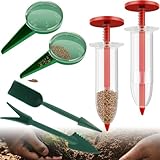
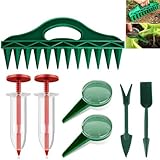
- Seed Dispenser: For precise seed placement.
Techniques for Accurate Planting
Several techniques can help ensure accurate seed planting. These techniques include creating consistent planting depths, maintaining proper spacing, and providing adequate moisture. Follow these techniques for the best results.
Here are some effective techniques:
- Use a Dibber or Pencil: Create holes in the soil using a dibber or pencil to the correct depth.
- Measure Carefully: Use a ruler or measuring tape to ensure you’re planting at the correct depth.
- Space Seeds Correctly: Follow the spacing instructions on the seed packet to avoid overcrowding.
- Water Gently: Water the soil gently after planting to avoid disturbing the seeds.
- Label Your Rows: Clearly label your rows with the plant type and planting date.
Troubleshooting Common Planting Depth Problems
Even with careful planning, problems can sometimes arise. Understanding potential issues and how to address them can help you salvage your seedlings and improve your gardening outcomes. Addressing these problems promptly can help you ensure a successful harvest. (See Also: Unveiling: How Coal Power Plant Works – a Detailed Guide)
By recognizing and addressing these problems, you can take corrective action and ensure the best possible outcome for your seedlings. A little bit of knowledge can go a long way in preventing or mitigating common issues.
Seedlings Not Sprouting
Failure to sprout can be frustrating, but several factors might be responsible. The first step is to assess the situation and determine the root cause. This information will help you take the appropriate corrective action.
Here are some common reasons why seedlings might not sprout:
- Incorrect Planting Depth: Planting too deep can prevent the seedling from reaching the surface. Planting too shallow can cause the seed to dry out.
- Poor Soil Conditions: Compacted soil, lack of nutrients, or poor drainage can hinder germination.
- Insufficient Moisture: Seeds need consistent moisture to germinate.
- Temperature Issues: The soil temperature might be too cold or too hot for the seed to germinate.
- Seed Quality: The seeds might be old or of poor quality.
Leggy Seedlings
Leggy seedlings are tall and spindly, with weak stems and insufficient foliage. This problem typically arises when the seedlings don’t receive enough sunlight. This can be caused by planting too deep or not providing enough light.
Here are some causes and solutions for leggy seedlings:
- Insufficient Light: Provide adequate sunlight, either by placing seedlings in a sunny location or using grow lights.
- Overcrowding: Thin seedlings to provide more space and better light exposure.
- Planting Depth: Planting too deep can also contribute to leggy growth. Ensure proper planting depth.
Seedlings Drying Out
Seedlings can dry out if they are not receiving enough moisture. This can happen if the soil dries out, the planting depth is too shallow, or the climate is particularly dry. Inspecting your seedlings regularly will help you identify this problem early.
Here’s how to address drying out seedlings:
- Inconsistent Watering: Water regularly, keeping the soil consistently moist but not waterlogged.
- Shallow Planting: Ensure the planting depth is appropriate.
- Mulch: Apply a layer of mulch to help retain moisture.
Conclusion: Mastering the Depth – a Gardener’s Key
Knowing how deep to plant a seed is a fundamental skill that every gardener should master. It’s about more than just sticking a seed in the ground; it’s about understanding the science behind germination and providing the ideal conditions for growth. By considering factors like seed size, soil type, and climate, you can tailor your planting strategy for optimal success.
From the smallest herbs to the largest vegetables, the depth at which you plant your seeds can make all the difference. Embrace these guidelines, experiment, and observe. Your garden will thank you with a vibrant display of life and a bountiful harvest. Happy planting!
Recommended Products