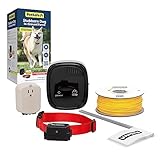
So, you’re setting up an invisible fence, and the big question looms: how deep to bury invisible fence wire? You want to keep your furry friend safe and sound, but you also want the system to work flawlessly. Getting the burial depth right is crucial for the fence’s performance and longevity. Too shallow, and the wire is vulnerable to damage; too deep, and it might not work as intended.
We understand! It’s a common concern, and the answer isn’t always straightforward. This guide will walk you through everything you need to know, from the ideal depth to the tools you’ll need, and even how to troubleshoot common problems. We’ll cover all the important aspects to ensure your invisible fence installation is a success, protecting your pet for years to come. Let’s get started!
Understanding Invisible Fence Wire Burial Depth: The Basics
The depth at which you bury your invisible fence wire is more important than you might think. It impacts the fence’s effectiveness, its lifespan, and the potential for damage. There’s no one-size-fits-all answer, as the ideal depth depends on several factors, including your local climate, the type of soil, and even the size of your pet. However, understanding the core principles will set you up for success.
Why Depth Matters
Let’s break down why burying the wire at the right depth is so critical:
- Signal Strength: The wire transmits a radio signal that the receiver collar detects. Burying the wire too deep can weaken the signal, reducing the effective range of the fence. This means your pet might not receive the correction if they approach the boundary.
- Protection from Damage: The most significant reason is protecting the wire. Shallowly buried wire is vulnerable to damage from lawnmowers, shovels, digging animals, and even foot traffic. Damage to the wire will cause the fence to fail.
- Longevity: Proper burial depth contributes to the overall lifespan of your invisible fence system. Avoiding damage keeps the system functioning correctly for years.
- Preventing False Triggers: If the wire is not buried at the correct depth, it can be more susceptible to interference from other electrical sources, leading to false triggers.
The Recommended Depth
Generally, the recommended depth for burying invisible fence wire is between 1 to 3 inches (2.5 to 7.6 cm). This range provides a good balance between signal strength and protection. However, the exact depth may vary based on the factors discussed below.
Factors Affecting Burial Depth
Several factors can influence the ideal burial depth. Consider these when planning your installation:
- Soil Type:
- Clay Soil: Clay soil tends to be dense and can compress easily. In clay soil, you may want to aim for the shallower end of the range, around 1-2 inches.
- Sandy Soil: Sandy soil drains well and is less prone to compression. You might go a bit deeper, perhaps 2-3 inches.
- Rocky Soil: Rocky soil presents challenges. You might need to use a trenching tool designed for rocky conditions. Consider burying the wire closer to the surface to avoid major obstacles.
- Climate:
- Freezing Temperatures: In areas with harsh winters and freezing ground, consider burying the wire at a depth that is below the frost line to prevent the wire from being damaged by frost heave. However, this is usually impractical.
- Extreme Heat: While heat isn’t as significant a factor, very dry soil can become hard. Consider the ease of digging and the potential for the soil to shift.
- Local Regulations: Always check with your local authorities or utility companies to identify any regulations regarding underground utilities. You will need to call 811 before you dig, in most areas.
- Potential Hazards: Be aware of any existing underground utilities, such as gas lines, water pipes, and electrical cables. Avoid digging near these lines to prevent damage and injury.
Step-by-Step Guide to Burying Invisible Fence Wire
Here’s a step-by-step guide to burying your invisible fence wire: (See Also: T Post Fence How to: A Step-by-Step Guide for Diy Success)
- Plan Your Layout:
- Walk the perimeter of your yard and plan the layout of your fence. Consider any obstacles, such as trees, flower beds, and driveways.
- Use flags or marking paint to indicate the path of the wire. This will help you visualize the layout and avoid any surprises during installation.
- Remember to create a loop at the transmitter, and avoid sharp turns, which can weaken the signal.
- Gather Your Tools:
- Wire: Ensure you have enough wire to cover the entire perimeter, plus extra for connections and potential repairs.
- Trenching Tool: Use a trenching tool (like a manual edger, trenching shovel, or a powered trencher) to create a trench.
- Wire Strippers/Cutters: For preparing the wire ends.
- Wire Connectors: Waterproof connectors are highly recommended.
- Measuring Tape: To ensure consistent burial depth.
- Gloves: To protect your hands.
- Safety Glasses: To protect your eyes.
- Utility Locator (Optional but Recommended): To identify any buried utilities.
- Shovel: For backfilling the trench.
- Prepare the Trench:
- Using your chosen trenching tool, create a trench along the marked path. The trench should be approximately 1 to 3 inches deep, as discussed.
- Keep the trench as straight as possible to maintain a consistent signal.
- If you encounter roots or rocks, carefully work around them or adjust the path of the wire.
- Lay the Wire:
- Carefully place the wire in the trench, ensuring it lies flat.
- Avoid twisting or kinking the wire.
- If you have multiple sections of wire, use waterproof wire connectors to join them securely.
- Backfill the Trench:
- Carefully fill the trench with soil, ensuring the wire remains at the desired depth.
- Use a shovel or your hands to gently pack the soil. Avoid over-compacting the soil, as this can damage the wire.
- Remove any excess soil.
- Connect to the Transmitter:
- Follow the manufacturer’s instructions to connect the wire to the transmitter.
- Ensure the connections are secure and weatherproof.
- Test the System:
- After installation, test the system to ensure it is working correctly.
- Walk the perimeter with the receiver collar and confirm that the correction signal activates at the boundary.
- Adjust the boundary width on the transmitter if necessary.
Frequently Asked Questions (faqs)
Let’s address some common questions about burying invisible fence wire:
Can I Bury the Wire Under a Driveway or Walkway?
Yes, you can, but you’ll need to take extra precautions. At driveways or walkways, you can bury the wire deeper (up to 6 inches) to protect it from the weight of vehicles or foot traffic. You can also run the wire through a PVC pipe or conduit for added protection. Make sure to seal the ends of the pipe to prevent water from entering.
What If I Hit a Utility Line While Burying the Wire?
STOP IMMEDIATELY! If you hit a utility line, you must stop digging and contact your local utility company. They will advise on how to proceed safely. Never attempt to repair or move a damaged utility line yourself. Always call 811 before you dig, to locate underground utilities.
Can I Use Staples to Secure the Wire?
While some people use staples to hold the wire in place, it’s generally not recommended. Staples can damage the wire insulation, leading to shorts and system failure. It’s best to bury the wire in a trench to provide proper protection.
How Do I Repair a Broken Wire?
If your wire is damaged, you’ll need to locate the break. You can use a wire tracker or visually inspect the wire. Once you find the break, cut the wire at both sides of the break, strip the insulation, and use waterproof wire connectors to rejoin the ends. Always use waterproof connectors.
What’s the Best Tool for Burying the Wire?
The best tool depends on your yard and budget. A manual edger or trenching shovel is suitable for small yards or soft soil. For larger areas or tougher soil, a powered trencher will be much faster. A vibratory plow is another option that minimizes ground disturbance. (See Also: Master the Art: How to Use a Fence Stretcher for Perfect Fences)
Do I Need to Call 811 Before Burying the Wire?
YES! Before you start digging, it’s crucial to contact your local 811 service (Call Before You Dig). They will mark the location of underground utilities in your yard, preventing accidental damage and ensuring your safety.
Can I Bury the Wire Under Grass?
It’s best to bury the wire slightly beneath the surface of the soil. While you could technically bury it just under the grass, the grass roots can grow around the wire and potentially damage it over time. Burying the wire a few inches deep offers better protection.
Troubleshooting Common Problems
Even with careful planning and installation, you might encounter some issues. Here’s how to troubleshoot common problems:
- Fence Not Working:
- Check the Transmitter: Ensure the transmitter is powered on and functioning correctly. Check the settings.
- Test the Wire: Use a wire tester to check for breaks or shorts in the wire.
- Inspect Connections: Make sure all wire connections are secure and weatherproof.
- Check the Receiver Collar: Verify that the receiver collar is charged, turned on, and properly fitted on your pet.
- Erratic Behavior or False Corrections:
- Check for Interference: Nearby electrical appliances or other buried wires can interfere with the signal. Try to move the wire away from these sources.
- Adjust the Boundary Width: The boundary width might be set too wide, causing the collar to activate prematurely. Adjust the setting on the transmitter.
- Check the Wire Depth: Ensure the wire is buried at the correct depth.
- Weak Signal:
- Check the Wire: Make sure the wire is in good condition and not damaged.
- Check the Burial Depth: If the wire is buried too deep, the signal strength can be reduced.
- Check the Transmitter: Make sure the transmitter is functioning correctly and set to the appropriate power level.
Wire Types and Considerations
Not all invisible fence wires are created equal. The type of wire you choose can impact the system’s performance and longevity. Here’s a brief overview:
- Solid Core Wire: This is the most common type. It’s durable and resistant to breakage. However, it can be more difficult to work with and less flexible.
- Stranded Core Wire: This wire is more flexible than solid core wire and easier to handle, especially when making turns. It’s often preferred for complex layouts. However, it can be more prone to corrosion if exposed to moisture.
- Wire Gauge: The wire gauge (AWG – American Wire Gauge) refers to the wire’s thickness. A lower gauge number indicates a thicker wire. Thicker wires are generally more durable and can handle longer runs. For most residential applications, 14- or 16-gauge wire is sufficient. For very large yards or complex layouts, consider a 14-gauge wire.
- Insulation: The wire’s insulation protects it from moisture and damage. Look for wire with UV-resistant and waterproof insulation.
Tips for a Successful Installation
Here are some additional tips for a smooth and successful invisible fence installation:
- Read the Manual: Always carefully read the manufacturer’s instructions before you begin the installation.
- Take Your Time: Don’t rush the process. Proper installation is key to the system’s effectiveness.
- Test Thoroughly: After installation, test the system thoroughly to ensure it’s working correctly.
- Train Your Pet: Training your pet is essential for the fence to be effective. Follow the manufacturer’s training guidelines.
- Maintain the System: Regularly inspect the wire for damage and make necessary repairs.
- Consider Professional Installation: If you’re not comfortable with DIY installation, consider hiring a professional.
Alternative Installation Methods
While burying the wire is the most common and recommended method, there are a couple of alternative installation approaches: (See Also: Snow Fence Distance: How Far Away Should You Put a Snow Fence? (expert Guide))
- Above-Ground Installation: In some cases, you can install the wire above ground, using staples or clips to secure it to the surface. This method is often used for temporary fences or in areas where digging is difficult. However, the wire is more vulnerable to damage.
- Surface Mounting: You can use surface mounting clips to secure the wire to hard surfaces like concrete. This is a good option for patios or driveways, but requires careful planning and execution.
These alternatives are not as reliable as burying the wire, but they can be useful in specific situations. Always prioritize the safety and effectiveness of the fence.
Final Verdict
Mastering the correct depth for burying your invisible fence wire is a cornerstone of a well-functioning pet containment system. The sweet spot, generally 1 to 3 inches, balances signal strength and protection against damage. By carefully considering soil type, climate, and potential hazards, you can ensure your wire’s longevity and your pet’s safety.
Remember to always prioritize safety, call 811 before digging, and follow the manufacturer’s instructions. A well-installed invisible fence will provide peace of mind and keep your furry friend safely within your property boundaries for years to come.
Recommended Products