So, you’re looking to make your shed a bit more comfortable, huh? Maybe you dream of a workshop that’s usable year-round, or perhaps you’re tired of your tools rusting in the damp. The good news is, you can absolutely insulate your shed cheaply. We’re talking about DIY projects that won’t break the bank and can make a huge difference in temperature and humidity control.
This guide will walk you through the most cost-effective insulation methods, materials, and techniques. We’ll explore everything from the basics of insulation to the best budget-friendly options, ensuring you get the most bang for your buck. Get ready to transform your shed into a usable and enjoyable space, all while keeping your wallet happy!
Understanding Shed Insulation Basics
Before we dive into the nitty-gritty of cheap shed insulation, let’s cover the fundamentals. Understanding the principles of insulation is crucial for making informed decisions and maximizing your investment.
Why Insulate Your Shed?
Insulating your shed offers a multitude of benefits, far beyond just keeping it warm in winter and cool in summer. Here’s a breakdown of the key advantages:
- Temperature Regulation: This is the most obvious benefit. Insulation creates a barrier that slows down heat transfer. In winter, it keeps the heat inside, and in summer, it keeps the heat out.
- Reduced Energy Bills: If you plan to use heaters or air conditioners in your shed, insulation significantly reduces the energy needed to maintain a comfortable temperature. This translates into lower utility bills.
- Moisture Control: Insulation helps prevent condensation, which can lead to mold and mildew growth. This protects your tools, equipment, and the shed structure itself.
- Noise Reduction: Insulation can also dampen sound, making your shed a quieter workspace or storage area.
- Increased Property Value: While not always a primary concern for a shed, a well-insulated shed can add value to your property.
What Is R-Value?
R-value is a crucial concept in insulation. It measures the material’s resistance to heat flow. The higher the R-value, the better the insulation. Different insulation materials have different R-values per inch of thickness. When planning, consider your climate; colder climates require higher R-values.
Types of Shed Insulation
There are several types of insulation you can use for your shed. Each has its pros and cons, and cost considerations.
- Batt Insulation: Comes in pre-cut batts or rolls. It’s relatively inexpensive and easy to install, making it a popular DIY choice. Fiberglass and mineral wool are common batt materials.
- Spray Foam Insulation: Provides an excellent air seal and high R-value. However, it’s generally more expensive and often requires professional installation.
- Rigid Foam Insulation: Available in sheets, it’s easy to handle and offers good insulation value. It can be a good option for DIY projects, especially for walls and roofs.
- Loose-Fill Insulation: Includes materials like cellulose and fiberglass. It’s often blown into cavities and is a good choice for hard-to-reach areas, but requires specialized equipment.
Where to Insulate in Your Shed
The most important areas to insulate are the walls, roof, and floor. Insulating these areas will create a comprehensive thermal barrier.
- Walls: Walls are a primary area for heat transfer. Insulating them is crucial for temperature regulation.
- Roof: Heat rises, so the roof is another significant area for insulation.
- Floor: Insulating the floor can prevent heat loss and moisture from the ground.
Cheap Shed Insulation Materials and Methods
Now, let’s get down to the practicalities of insulating your shed on a budget. Here are some of the most cost-effective materials and methods you can use.
1. Batt Insulation (fiberglass or Mineral Wool)
Fiberglass and mineral wool batts are among the most affordable options. They’re readily available at most hardware stores and are relatively easy to install. They are great choices for walls and roofs.
- Measure and Cut: Measure the wall or roof cavities and cut the batts to fit. Leave a slight overlap for a snug fit.
- Install: Press the batts into the cavities, ensuring they fill the space completely. Avoid compressing the insulation, as this reduces its effectiveness.
- Vapor Barrier (Optional): In some climates, a vapor barrier (e.g., plastic sheeting) may be necessary to prevent moisture from entering the insulation. Check local building codes.
- Cover: After installing the insulation, cover it with a suitable material, such as drywall, plywood, or OSB.
Pros: Inexpensive, easy to install, readily available.
Cons: Can irritate skin and lungs, less effective if not installed properly, requires careful handling. (See Also: Groundhog Under Your Shed? Learn How to Get Rid of Them (fast!))
2. Rigid Foam Insulation
Rigid foam is another DIY-friendly option. It comes in sheets and is relatively easy to cut and install. It provides excellent insulation and also acts as a vapor barrier.
- Measure and Cut: Measure the wall or roof cavities and cut the foam sheets to fit.
- Install: Attach the foam sheets to the studs or rafters using construction adhesive or screws with washers.
- Seal Gaps: Seal any gaps or cracks with spray foam or caulk to prevent air leaks.
- Cover: Cover the foam with a suitable material, such as drywall or plywood.
Pros: Good insulation value, acts as a vapor barrier, easy to handle.
Cons: Can be more expensive than batts, requires careful sealing of gaps.
3. Reflective Insulation (radiant Barrier)
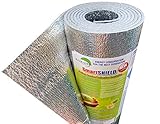
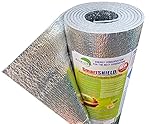
Reflective insulation is a cost-effective option, particularly for roofs. It works by reflecting radiant heat, which is a significant source of heat transfer. This consists of a material with a reflective surface (usually aluminum foil) and air space.
- Install: Staple the reflective insulation to the underside of the roof rafters, ensuring there is an air gap between the insulation and the roof sheathing.
- Seal Seams: Seal any seams with foil tape to create a continuous barrier.
Pros: Relatively inexpensive, easy to install, effective at reflecting radiant heat.
Cons: Less effective in cold climates, requires an air gap for optimal performance.
4. Using Recycled Materials
For the ultimate budget-friendly approach, consider using recycled materials. This is where your creativity can shine! You can use various materials, but be sure they are clean, dry, and free of pests.
- Old Clothes and Blankets: Stuff old clothes and blankets into wall cavities. This can provide some insulation, but it may not be as effective as dedicated insulation materials.
- Cardboard: Cardboard can provide a basic level of insulation, but it’s not ideal for areas prone to moisture.
- Newspaper: Used newspaper can be shredded and used as loose-fill insulation, although it may require treatment to prevent pests and fire hazards.
Pros: Extremely cheap, eco-friendly.
Cons: Lower insulation value, may require more effort, potential for pest issues.
5. Sealing Air Leaks
Before you even start thinking about insulation, sealing air leaks is crucial. Air leaks can significantly reduce the effectiveness of your insulation and let in unwanted moisture.
- Inspect: Inspect your shed for any gaps, cracks, or holes. Pay particular attention to the windows, doors, and any areas where pipes or wires penetrate the walls.
- Caulk: Use caulk to seal small gaps and cracks.
- Weatherstripping: Install weatherstripping around doors and windows to create a tight seal.
- Spray Foam: Use spray foam to seal larger gaps and openings.
Pros: Improves insulation performance, prevents moisture, reduces energy loss.
Cons: Requires careful application, may require additional materials.
Step-by-Step Guide: Insulating Your Shed Walls
Let’s walk through a practical example: insulating your shed walls using batt insulation. This is a common and effective DIY project. (See Also: How Much Do Pit Bulls Shed? Your Ultimate Guide to Fur & Grooming)
- Prepare the Walls: Clean the walls and ensure they are dry. Remove any existing insulation or debris.
- Measure the Cavities: Measure the distance between the studs to determine the width of the insulation batts you need.
- Cut the Insulation: Cut the insulation batts to fit the cavities, leaving a slight overlap (about 1/2 inch) for a snug fit.
- Install the Insulation: Carefully insert the batts into the cavities, ensuring they fit snugly against the studs. Avoid compressing the insulation.
- Add a Vapor Barrier (Optional): If your climate requires it, install a vapor barrier over the insulation.
- Cover the Walls: Install drywall, plywood, or OSB over the insulation to complete the wall.
Step-by-Step Guide: Insulating Your Shed Roof
Here’s how to insulate your shed roof, focusing on a straightforward method using rigid foam insulation.
- Prepare the Roof: Ensure the roof is clean, dry, and in good condition. Repair any leaks or damage.
- Measure and Cut: Measure the distance between the rafters and cut the rigid foam sheets to fit.
- Install the Foam: Attach the foam sheets to the underside of the roof sheathing, between the rafters. Use construction adhesive or screws with washers to secure them.
- Seal Gaps: Seal any gaps between the foam sheets and the rafters with caulk or spray foam.
- Cover the Insulation: Install a ceiling material, such as drywall or plywood, to protect the insulation and create a finished look.
Budget-Friendly Tips & Tricks
Here are some additional tips to save money when insulating your shed:
- Shop Around: Compare prices at different hardware stores and online retailers.
- Look for Sales and Discounts: Keep an eye out for sales and discounts on insulation materials.
- Buy in Bulk: Purchasing insulation in bulk can often save you money.
- DIY Installation: Doing the installation yourself will save on labor costs.
- Use Recycled Materials: As mentioned earlier, utilizing recycled materials can drastically reduce your costs.
- Prioritize: Focus on the most important areas first (walls and roof).
- Consider Local Energy Rebates: Check if your local government offers any rebates or incentives for energy-efficient home improvements.
Frequently Asked Questions (people Also Ask)
Let’s address some common questions about shed insulation:
How Much Does It Cost to Insulate a Shed?
The cost varies greatly depending on the size of your shed, the materials you choose, and whether you DIY or hire a professional. Using budget-friendly methods, you can insulate a small shed for a few hundred dollars. More complex projects with premium materials can cost significantly more.
What Is the Best Insulation for a Shed Roof?
The “best” depends on your priorities. Rigid foam insulation offers excellent thermal performance and is a good option for DIY projects. Reflective insulation is cost-effective, especially in warmer climates. Consider your budget and climate when making your decision.
Do I Need a Vapor Barrier in My Shed?
Whether you need a vapor barrier depends on your climate. In colder climates, a vapor barrier is usually recommended to prevent moisture from entering the insulation and causing mold or mildew. Check your local building codes for specific requirements.
How Do I Prevent Condensation in My Shed?
Proper insulation and ventilation are key to preventing condensation. Insulation helps to maintain a consistent temperature, while ventilation allows moisture to escape. Sealing air leaks is also crucial.
Can I Use Spray Foam Insulation in My Shed?
Yes, spray foam insulation is an option for sheds. It provides excellent insulation and air sealing. However, it is generally more expensive and may require professional installation. It’s often used to seal cracks and hard-to-reach areas.
What’s the Best R-Value for Shed Insulation?
The ideal R-value depends on your climate. In colder climates, you’ll want a higher R-value (e.g., R-13 to R-30 for walls, R-30 to R-49 for roofs). Consult local building codes for recommendations. (See Also: Leveling Your Shed Base: A Step-by-Step Guide (how To))
What Kind of Ventilation Does a Shed Need?
Proper ventilation is essential to prevent moisture buildup. You can install vents in the roof, soffits, or gable ends. Ensure there is both an intake and an exhaust vent to allow for proper air circulation.
Is It Worth Insulating a Shed?
Absolutely! Insulating your shed can significantly improve its usability, protect your belongings, and reduce energy costs if you use heating or cooling. The benefits often outweigh the investment, particularly if you plan to use your shed regularly.
Can I Insulate a Shed Floor?
Yes, insulating the shed floor is a good idea, particularly if the shed is built on a concrete slab or has a wooden floor. This helps prevent heat loss, moisture from the ground, and can make the shed more comfortable. Use rigid foam insulation or other appropriate materials.
Shed Insulation: A Quick Checklist
Before you start, use this checklist to ensure you are prepared:
- Assess Your Needs: Determine your primary needs for the shed (workshop, storage, etc.) and the climate.
- Plan Your Budget: Set a budget and research the cost of materials.
- Choose Your Materials: Select insulation materials that fit your budget and needs.
- Gather Your Tools: Collect the necessary tools for installation (measuring tape, utility knife, etc.).
- Prepare the Shed: Clean and prepare the shed for insulation, sealing any air leaks.
- Install the Insulation: Follow the installation instructions carefully.
- Finish and Protect: Cover the insulation with a suitable material (drywall, plywood, etc.).
Safety Considerations
Always prioritize safety when working with insulation materials. Here are some important safety tips:
- Wear Protective Gear: When handling fiberglass or mineral wool insulation, wear gloves, a long-sleeved shirt, pants, eye protection, and a dust mask or respirator.
- Work in a Well-Ventilated Area: Ensure the shed is well-ventilated to minimize exposure to dust and fumes.
- Follow Manufacturer’s Instructions: Always follow the manufacturer’s instructions for handling and installing insulation materials.
- Avoid Contact with Skin and Eyes: If insulation comes into contact with your skin or eyes, rinse thoroughly with water.
- Proper Disposal: Dispose of insulation materials properly, following local regulations.
Final Verdict
Insulating your shed doesn’t have to be an expensive or complicated project. By choosing the right materials and methods, and taking advantage of DIY installation, you can significantly improve your shed’s comfort and usability without breaking the bank. Remember to prioritize air sealing, and consider your climate and intended use when selecting your insulation materials. With a little planning and effort, you’ll be enjoying a more comfortable and functional shed in no time!
Recommended Products