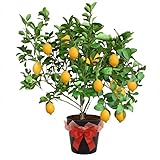
So, you’ve spotted a lovely young tree labeled ‘3 gallon’ and you’re wondering, ‘Just how big is this thing?’ It’s a perfectly natural question! When you’re planning your garden, envisioning that future shade tree, or simply trying to figure out how to transport it home, knowing the actual dimensions is crucial. You don’t want to arrive with a tiny twig when you were expecting something substantial, or vice-versa!
We’re here to demystify the ‘3 gallon’ label. It’s not as straightforward as you might think, as ‘gallon’ refers to the container size, not a precise height or width. But rest assured, by the end of this guide, you’ll have a crystal-clear understanding of what to expect from a 3-gallon tree, helping you make informed decisions for your landscaping projects.
Understanding the ‘3 Gallon’ Label
When you see a tree advertised as a ‘3 gallon,’ it’s important to understand that this designation refers to the volume of the container the tree has been growing in, not its exact height or caliper (trunk diameter). Nursery pots are standardized by volume, and a 3-gallon container is a common size for young, established trees that are ready for transplanting. This size offers a good balance: the root system is sufficiently developed to thrive in a new environment, but the tree is still manageable in terms of weight and transport.
What Does a 3-Gallon Container Actually Look Like?
A 3-gallon nursery pot typically has a diameter of around 10-12 inches and a height of approximately 10-11 inches. These dimensions can vary slightly between manufacturers, but they give you a general idea of the root ball’s immediate surroundings. The tree’s root system will have filled this volume, creating a compact, healthy root ball.
Factors Influencing Tree Size in a 3-Gallon Pot
While the container size is fixed, the actual size of the tree growing within it can vary significantly. Several factors contribute to this:
- Species of Tree: Different tree species have inherently different growth rates and mature sizes. A slow-growing dwarf variety might be quite bushy and dense in a 3-gallon pot, while a fast-growing species could be taller and more slender.
- Age of the Tree: Even within the same species, a tree that has spent more time in the 3-gallon pot will generally be larger and more developed than a younger specimen. Nurseries often transplant trees into larger containers as they grow to prevent root-bound conditions.
- Pruning and Training: How a nursery prunes and trains a tree can impact its appearance. Some trees are pruned to encourage a more compact, bushy form, while others might be trained for a straighter, more upright growth habit.
- Growing Conditions: The quality of soil, amount of sunlight, watering, and fertilization all play a role in a tree’s vigor and size. A well-cared-for tree in optimal conditions will likely be larger and healthier than one that has been stressed.
Typical Height and Caliper for a 3-Gallon Tree
Given the variables above, providing an exact height and caliper is impossible. However, we can offer a general range you can expect when purchasing a 3-gallon tree: (See Also: How Long Do Coconuts Last Off the Tree? A Full Guide)
- Height: Most 3-gallon trees will range from 3 to 6 feet tall from the soil line to the top of the foliage. Some dwarf varieties or slower-growing species might be on the shorter end of this spectrum, while faster-growing species or those that have been in the pot longer could be at the taller end.
- Caliper: The caliper, which is the diameter of the trunk measured about 6 inches above the soil line, is also variable. For a 3-gallon tree, you can typically expect a caliper between 1/4 inch and 1/2 inch. A thicker caliper often indicates a more mature and robust tree.
It’s crucial to remember that these are averages. Always ask your nursery professional for specific details about the tree you are interested in. They can provide insights into its growth habit, expected mature size, and any particular care it might need.
What to Look for When Buying a 3-Gallon Tree
Beyond the general size, several other indicators can help you select a healthy and robust 3-gallon tree:
- Root System: Gently try to lift the tree from its pot. If it slides out easily, inspect the roots. You want to see a healthy, fibrous root system that encircles the pot but isn’t densely matted or ‘root-bound.’ Roots circling tightly many times indicate the tree has outgrown its container and may struggle to establish.
- Foliage: Look for vibrant, healthy-looking leaves (or needles for evergreens). Avoid trees with yellowing, spotted, or wilting foliage, as this can be a sign of disease, pests, or improper watering.
- Trunk and Branches: Inspect the trunk for any damage, cracks, or signs of disease. Ensure the branches are well-distributed and appear strong, not spindly or weak.
- Overall Vigor: The tree should look healthy and have a balanced form. It shouldn’t appear leggy or stretched, which can happen if it hasn’t received enough light.
Transportation and Planting Considerations
One of the advantages of a 3-gallon tree is its manageability. Most individuals can comfortably lift and transport a 3-gallon tree, even a larger specimen, with relative ease. You can often fit them in the back of a car, SUV, or truck bed without specialized equipment. When planting, remember that the root ball should be placed at the same depth it was in the pot. Dig a hole that is two to three times wider than the root ball, but no deeper. This encourages roots to spread outwards into the surrounding soil.
Comparing 3-Gallon Trees to Other Container Sizes
To put the 3-gallon size into perspective, let’s consider other common nursery container sizes:
| Container Size | Approximate Diameter | Approximate Height | Typical Tree Size Range (Height) | Typical Tree Size Range (Caliper) | Weight (Estimate) |
|---|---|---|---|---|---|
| 1 Gallon | 6-8 inches | 7-8 inches | 1-3 feet | 1/8 – 1/4 inch | 10-20 lbs |
| 3 Gallon | 10-12 inches | 10-11 inches | 3-6 feet | 1/4 – 1/2 inch | 20-40 lbs |
| 5 Gallon | 12-14 inches | 11-12 inches | 5-8 feet | 1/2 – 3/4 inch | 40-60 lbs |
| 7-10 Gallon | 14-17 inches | 12-14 inches | 6-10 feet | 3/4 – 1 inch | 60-100+ lbs |
| 15 Gallon | 17-19 inches | 14-16 inches | 8-12 feet | 1 – 1.5 inches | 100-150+ lbs |
As you can see, the 3-gallon size represents a significant step up from a 1-gallon tree, offering more established growth and a better head start in your garden. It’s a popular choice for homeowners looking for a tree that will make a noticeable impact relatively quickly without being overly difficult to handle. (See Also: How to Prune a Catalpa Tree: A Complete Guide)
Why Choose a 3-Gallon Tree?
There are several compelling reasons why a 3-gallon tree might be the perfect choice for your landscaping needs:
- Established Root System: The roots have had sufficient time to develop and stabilize within the container, making them more resilient during transplanting and quicker to establish in their new home.
- Faster Initial Growth: Compared to smaller container sizes, a 3-gallon tree has a head start, meaning you’ll see more significant growth and development in its first few years in your garden.
- Manageable Size: They are large enough to make a visual statement but still generally manageable for home gardeners to transport, plant, and care for without heavy equipment.
- Cost-Effective: Often, 3-gallon trees offer a good balance between size and price. They are more substantial than smaller trees but less expensive than larger, more mature specimens.
- Variety: A wide array of tree species, from ornamental flowering trees to small shade trees and fruit trees, are commonly available in 3-gallon containers, giving you plenty of options.
Potential Downsides and How to Mitigate Them
While 3-gallon trees are fantastic, there are a few potential considerations:
- Root-Bound Potential: As mentioned, if a tree has been in the same 3-gallon pot for too long, it can become root-bound. When planting, gently loosen any circling roots or make a few vertical cuts along the root ball to encourage outward growth.
- Less Instant Impact: If you’re looking for a large, mature tree that provides immediate shade or a dramatic focal point, a 3-gallon tree will take several years to reach that stage. For quicker impact, you might consider a larger container size or a balled-and-burlapped tree, though these come with increased cost and handling challenges.
Specific Examples of Trees Commonly Found in 3-Gallon Containers
To give you a concrete idea, here are some popular tree types often sold in 3-gallon pots, along with what you might expect:
- Japanese Maple (Acer palmatum): Expect a height of 3-5 feet, often with a more shrub-like or multi-trunked form. The focus is on ornamental foliage and delicate branching.
- Serviceberry (Amelanchier spp.): Typically 4-6 feet tall, these can be single-trunked or multi-stemmed, offering spring flowers, edible berries, and attractive fall color.
- Dwarf Alberta Spruce (Picea glauca ‘Conica’): Usually 3-4 feet tall, this slow-growing evergreen is very conical and dense.
- Crabapple (Malus spp.): Many ornamental crabapples will be in the 4-6 foot range, with a developing canopy and a trunk caliper of about 1/4 to 1/2 inch.
- Redbud (Cercis canadensis): You might find these around 4-6 feet, often with a more open habit, showcasing their distinctive spring flowers.
Remember, these are still approximations. The nursery’s cultivation practices will greatly influence the final size and form of the tree in the 3-gallon pot.
How to Care for Your New 3-Gallon Tree
Once you’ve brought your new 3-gallon tree home, proper care is essential for its successful establishment. Here are the key steps: (See Also: How to Eat Tree Bark: A Survival Guide)
- Watering: This is the most critical factor. Water deeply and thoroughly immediately after planting. For the first few weeks, check the soil moisture daily by sticking your finger about 2 inches into the soil. If it feels dry, water. As the tree establishes, you can gradually reduce watering frequency, but ensure it receives adequate moisture during dry periods, especially in the first year.
- Mulching: Apply a 2-3 inch layer of organic mulch (like wood chips or shredded bark) around the base of the tree, keeping it a few inches away from the trunk. Mulch helps retain soil moisture, suppress weeds, and regulate soil temperature.
- Sunlight: Ensure you’ve planted the tree in a location that meets its specific sunlight requirements. Most trees need at least 6 hours of direct sunlight per day, but some prefer partial shade.
- Fertilizing: It’s generally best to avoid fertilizing immediately after planting, as this can stress the roots. Wait until the tree shows signs of new growth, usually in the spring of its first full growing season. Use a balanced, slow-release fertilizer formulated for trees and shrubs.
- Pruning: Minimal pruning is needed right after planting. Focus on removing any dead, damaged, or crossing branches. Major structural pruning is best left for when the tree is more established.
- Protection: Depending on your climate and local wildlife, you might need to protect the young tree from deer, rabbits, or harsh winter conditions with tree guards or wraps.
By following these care guidelines, you’ll give your 3-gallon tree the best possible start to becoming a beautiful, long-lived addition to your landscape.
Verdict on 3-Gallon Tree Size
a 3-gallon tree is defined by its container size, typically a pot around 10-12 inches in diameter. Expect a tree height ranging from 3 to 6 feet, with a trunk caliper of about 1/4 to 1/2 inch. This size offers a healthy, established root system and manageable handling, making it an excellent choice for many gardeners seeking a balance of size, cost, and rapid establishment. Always inspect the tree for health and ask nursery staff for specifics to ensure you select the perfect specimen for your garden.
Recommended Products