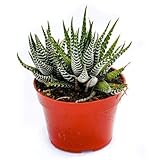
The striking zebra plant, *Aphelandra squarrosa*, is a beloved houseplant, instantly recognizable by its bold, zebra-like stripes. Its dramatic foliage and vibrant yellow bracts make it a showstopper in any indoor space. But before you bring this beauty home, you’re likely wondering: how big does a zebra plant get? Understanding its growth habits is key to providing the right care and ensuring it thrives in your home.
This comprehensive guide will delve into the factors that influence the zebra plant’s size, from its natural habitat to the impact of your care routine. We’ll explore the typical dimensions you can expect, the conditions that promote optimal growth, and the common challenges that can affect its size. Whether you’re a seasoned plant parent or a curious beginner, this article will equip you with the knowledge to cultivate a healthy and flourishing zebra plant.
Get ready to uncover the secrets to maximizing your zebra plant’s potential and enjoying its captivating beauty for years to come. We will also cover important aspects such as how to propagate your plant, potential problems and solutions, and how to maintain the plant in the best possible conditions. Let’s dive in and discover the world of the zebra plant!
Understanding Zebra Plant Growth: Natural Habitat and Dimensions
The zebra plant, *Aphelandra squarrosa*, is native to the warm, humid environments of Brazil. In its natural habitat, it thrives in the understory of tropical rainforests, where it benefits from filtered sunlight and consistent moisture. This background provides crucial context for understanding how big does a zebra plant get, as its environment greatly influences its size.
Natural Habitat and Climate
In the wild, zebra plants typically grow in areas with high humidity and temperatures between 65°F and 85°F (18°C and 29°C). These conditions allow for rapid growth and the development of large, lush foliage. They often find themselves beneath the canopy, shielded from direct sunlight but still receiving enough light to photosynthesize effectively. This indirect light is a key factor in their survival and growth.
These plants are accustomed to consistent rainfall and well-draining soil rich in organic matter. The constant supply of moisture and nutrients fuels their growth, allowing them to reach impressive sizes. Understanding these natural conditions provides important clues on how to replicate them at home to get the most out of your plant.
Typical Size in the Wild
In their native environment, zebra plants can grow quite large, often reaching heights of 2 to 3 feet (60 to 90 cm) and spreading up to 2 feet (60 cm) wide. The size can vary depending on the specific location, age of the plant, and available resources. Their impressive size is a testament to the ideal conditions they thrive in.
The size also depends on the density of the surrounding plants. In dense environments they may grow taller to compete for sunlight. While in more open areas they tend to spread wider. It’s important to remember that the size of a zebra plant in the wild is very different from the size you might see in a pot.
Size in Cultivation
When grown indoors, the size of a zebra plant is usually more compact than in the wild. This is due to factors like pot size, light availability, and environmental conditions. On average, a zebra plant grown indoors will reach a height of 1 to 2 feet (30 to 60 cm) and a similar width.
However, with proper care, including adequate light, consistent watering, and regular fertilization, indoor zebra plants can still achieve impressive sizes. While they might not reach the dimensions of their wild counterparts, they can certainly become a beautiful and sizable addition to your home.
Factors Influencing Zebra Plant Size
Several factors play a significant role in determining how big does a zebra plant get, both in its natural habitat and when cultivated indoors. These factors work together to influence the plant’s growth rate and overall size. Understanding these elements is essential for providing your zebra plant with the best possible care.
Light Exposure
Light is perhaps the most critical factor influencing zebra plant size. These plants require bright, indirect light to thrive. Direct sunlight can scorch their leaves, while insufficient light can stunt growth and prevent flowering. The amount of light directly impacts the plant’s ability to photosynthesize, producing the energy it needs to grow.
Placing your zebra plant near an east-facing window or a few feet away from a south-facing window is often ideal. If you notice the plant’s leaves turning yellow or pale, it may be receiving too much light. On the other hand, if the plant’s growth is slow, and the leaves are small, it might not be receiving enough light.
Watering and Humidity
Consistent watering is essential for zebra plant growth. The plant prefers moist, but not soggy, soil. Overwatering can lead to root rot, which can severely stunt growth or even kill the plant. Underwatering, on the other hand, can cause the leaves to droop and dry out.
Humidity is another crucial factor. Zebra plants thrive in humid environments, similar to their native habitat. If the air in your home is dry, consider using a humidifier, placing the plant on a pebble tray filled with water, or grouping it with other plants to increase humidity levels. These measures will help the plant grow bigger and healthier.
Soil and Nutrients
The type of soil and the availability of nutrients also affect the zebra plant’s size. Well-draining soil that retains moisture is ideal. A mix of peat moss, perlite, and potting soil provides the right balance of drainage and water retention. The soil must also have the right pH levels for the plant to properly absorb nutrients.
Regular fertilization during the growing season (spring and summer) is essential for promoting growth. Use a balanced liquid fertilizer diluted to half strength every 2-4 weeks. This will provide the necessary nutrients for the plant to develop lush foliage and produce vibrant flowers. The right soil and nutrients are key elements for answering the question of how big does a zebra plant get. (See Also: Learn How to Propagate Hibiscus Plants: A Step-by-Step Guide)
Pot Size and Repotting
The size of the pot can also impact the size of your zebra plant. As the plant grows, its roots will eventually fill the pot. At this point, it’s time to repot the plant into a slightly larger container. This allows the roots to expand and provides more space for the plant to grow.
Repotting should be done in the spring, when the plant is actively growing. Choose a pot that is only slightly larger than the previous one, as a pot that is too large can hold too much water and lead to root rot. Make sure that the pot has drainage holes to allow excess water to escape.
Temperature
Zebra plants prefer temperatures between 65°F and 85°F (18°C and 29°C). Avoid placing the plant near drafts or heat sources, as extreme temperature fluctuations can stress the plant and affect its growth. Consistent temperatures within this range promote optimal growth and size.
During the winter months, you may need to adjust the plant’s location to avoid exposure to cold drafts from windows or doors. Keeping the plant in a stable and warm environment will contribute to its overall health and size. The right temperature is also crucial in determining how big does a zebra plant get.
Achieving Optimal Zebra Plant Size: A Care Guide
To maximize the size and health of your zebra plant, a consistent and attentive care routine is essential. By understanding the plant’s needs and providing the right conditions, you can encourage robust growth and enjoy its stunning beauty. Here is a detailed guide to help you achieve optimal results.
Light Requirements
As mentioned earlier, bright, indirect light is crucial. Place your zebra plant near an east-facing window or a few feet away from a south-facing window. Avoid direct sunlight, which can scorch the leaves. If direct sunlight is unavoidable, use a sheer curtain to filter the light.
If you don’t have adequate natural light, you can supplement with artificial grow lights. LED grow lights are an energy-efficient option. Ensure the plant receives 12-14 hours of light per day to promote healthy growth. Monitor the plant’s response to the light and adjust its position as needed.
Watering Techniques
Water your zebra plant when the top inch of soil feels dry to the touch. Water thoroughly until water drains from the drainage holes. Allow the excess water to drain away to prevent root rot. Avoid letting the plant sit in standing water.
The frequency of watering will depend on the environmental conditions, such as temperature and humidity. During the growing season (spring and summer), you may need to water more frequently than during the dormant season (fall and winter). Adjust your watering schedule as needed to maintain consistent soil moisture.
Humidity Maintenance
Zebra plants thrive in humid environments. If the air in your home is dry, you can increase humidity by using a humidifier, placing the plant on a pebble tray filled with water, or grouping it with other plants. Misting the plant regularly can also help to increase humidity.
Aim for a humidity level of 60-70%. You can measure the humidity using a hygrometer. Consistent humidity levels will promote healthy leaf development and prevent the leaves from drying out. Proper humidity will significantly impact how big does a zebra plant get.
Fertilizing Schedule
Fertilize your zebra plant during the growing season (spring and summer) with a balanced liquid fertilizer diluted to half strength. Apply the fertilizer every 2-4 weeks. Avoid fertilizing during the dormant season (fall and winter), as the plant’s growth slows down.
Too much fertilizer can lead to salt buildup in the soil, which can harm the plant. Always follow the instructions on the fertilizer package. Signs of over-fertilization include brown leaf tips and stunted growth. Adjust the fertilization schedule as needed based on the plant’s response.
Pruning and Maintenance
Pruning can help to maintain the shape of your zebra plant and encourage bushier growth. You can prune the plant in the spring or summer to remove any leggy stems or dead leaves. Pinching off the tips of the stems can also promote branching.
Regularly wipe the leaves with a damp cloth to remove dust and debris. This will help the plant to photosynthesize more efficiently. Inspect the plant regularly for pests and diseases. Early detection and treatment are essential for preventing problems from spreading.
Repotting Process
Repot your zebra plant in the spring when it becomes root-bound. Choose a pot that is only slightly larger than the previous one. Use a well-draining potting mix. Gently remove the plant from its old pot, loosen the roots, and place it in the new pot. (See Also: Easy Guide: How to Grow Rubber Plant From Cutting)
Fill the pot with the potting mix, ensuring that the plant is at the same depth as it was in the previous pot. Water thoroughly after repotting. Repotting provides fresh nutrients and space for the roots to grow, helping you to achieve the size you desire.
Common Problems Affecting Zebra Plant Size
Even with the best care, zebra plants can encounter problems that affect their growth and size. Understanding these issues and how to address them is crucial for keeping your plant healthy and thriving.
Leaf Problems
Several leaf problems can impact the size and appearance of your zebra plant. Yellowing leaves can be caused by overwatering, underwatering, or insufficient light. Brown leaf tips can indicate low humidity or salt buildup from over-fertilization. Drooping leaves can be a sign of underwatering or root rot.
Inspect the plant regularly for any signs of leaf problems. Adjust your care routine as needed to address the underlying cause. Provide the right amount of water, light, and humidity to promote healthy leaf development. Addressing these problems is essential for determining how big does a zebra plant get.
Pest Infestations
Zebra plants can be susceptible to pests such as spider mites, mealybugs, and aphids. These pests can feed on the plant’s sap, weakening it and stunting its growth. They can also cause leaf discoloration and other damage.
Inspect your plant regularly for any signs of pests. Use a magnifying glass to check the undersides of the leaves and the stems. If you find pests, treat the plant with an appropriate insecticide or insecticidal soap. Isolate the affected plant from other plants to prevent the infestation from spreading.
Disease Issues
Root rot is a common disease that can affect zebra plants, usually caused by overwatering or poorly draining soil. This disease can cause the roots to decay, leading to stunted growth and leaf drop. Fungal diseases can also occur in humid environments.
To prevent root rot, ensure that your plant is not overwatered and that the soil drains well. If you suspect root rot, repot the plant in fresh soil and remove any affected roots. Treat fungal diseases with an appropriate fungicide. Early detection and treatment are crucial for preventing the disease from spreading.
Environmental Stresses
Environmental stresses, such as sudden temperature changes, drafts, and low humidity, can also affect the size and health of your zebra plant. These stresses can weaken the plant and make it more susceptible to pests and diseases.
Avoid placing your plant near drafts or heat sources. Maintain a consistent temperature and humidity level. Provide the plant with adequate light and water. By minimizing environmental stresses, you can help your zebra plant to thrive and reach its full potential. Knowing the impact of environmental factors is important when considering how big does a zebra plant get.
Propagating Zebra Plants
Propagating your zebra plant is a rewarding way to increase your collection and share this beautiful plant with others. There are several methods you can use to propagate zebra plants, each with its own advantages. Propagating also allows you to control the size and growth of new plants.
Stem Cuttings
Stem cuttings are the most common and easiest method of propagating zebra plants. Select healthy stems that are 4-6 inches long. Remove the leaves from the bottom inch of the stem. Dip the cut end in rooting hormone to encourage root development.
Plant the stem cutting in a pot filled with a well-draining potting mix. Keep the soil moist but not soggy. Place the pot in a location with bright, indirect light. Roots should develop within a few weeks. Once the roots are established, you can transplant the cutting into a larger pot.
Division
Division is another method of propagating zebra plants, particularly for mature plants. Gently remove the plant from its pot. Carefully separate the root ball into sections, ensuring that each section has roots and stems. Plant each section in a separate pot filled with fresh potting mix.
Water the newly divided plants thoroughly. Place them in a location with bright, indirect light. Division is best done in the spring, when the plant is actively growing. This is a good method if you want to control how big does a zebra plant get.
Leaf Cuttings
Leaf cuttings can also be used to propagate zebra plants, although this method is less common and often less successful than stem cuttings. Cut a leaf from the plant, including a small portion of the stem. Dip the cut end in rooting hormone. (See Also: Easy Guide: Snake Plant How to Propagate & Multiply)
Plant the leaf cutting in a pot filled with a well-draining potting mix. Keep the soil moist but not soggy. Place the pot in a location with bright, indirect light. Roots may develop from the base of the leaf, but the process can be slow and unreliable. The size of the leaf cuttings will be small, so it will take time for them to grow.
Troubleshooting Zebra Plant Size Concerns
If your zebra plant isn’t growing as expected, or if you’re concerned about its size, there are several troubleshooting steps you can take. These steps will help you identify the underlying issues and take corrective action.
Assess Light Conditions
Evaluate the amount of light your plant is receiving. Is it getting enough bright, indirect light? If not, move the plant to a brighter location. If the leaves are turning yellow or pale, it may be receiving too much light. Consider using a sheer curtain to filter the light.
Monitor the plant’s response to the light and adjust its position as needed. Remember that consistent light is a key factor in the plant’s growth. Proper light exposure is essential for determining how big does a zebra plant get.
Check Watering Practices
Examine your watering habits. Are you watering the plant too much or too little? Overwatering can lead to root rot, while underwatering can cause the leaves to droop. Water the plant only when the top inch of soil feels dry.
Ensure that the pot has drainage holes and that excess water can drain away. Adjust your watering schedule based on the environmental conditions. Maintaining the correct watering is crucial for the plant’s health and size.
Evaluate Humidity Levels
Assess the humidity levels in your home. Zebra plants thrive in humid environments. If the air is dry, consider using a humidifier, placing the plant on a pebble tray, or grouping it with other plants. Misting the plant regularly can also help.
Aim for a humidity level of 60-70%. Consistent humidity levels will promote healthy leaf development and prevent the leaves from drying out. Adequate humidity directly impacts how big does a zebra plant get.
Inspect for Pests and Diseases
Thoroughly inspect your plant for any signs of pests or diseases. Look for pests such as spider mites, mealybugs, and aphids. Check for signs of root rot or fungal diseases. Early detection and treatment are essential.
If you find any pests or diseases, treat the plant with an appropriate insecticide or fungicide. Isolate the affected plant from other plants to prevent the problem from spreading. Addressing these issues will help the plant regain its health and promote growth.
Review Fertilization Schedule
Review your fertilization schedule. Are you fertilizing the plant during the growing season? If so, are you using the correct type and amount of fertilizer? Too much fertilizer can lead to salt buildup in the soil.
Use a balanced liquid fertilizer diluted to half strength. Follow the instructions on the fertilizer package. Adjust the fertilization schedule as needed based on the plant’s response. Proper fertilization is important to achieve the size you desire.
Conclusion: Maximizing Zebra Plant Potential
Understanding how big does a zebra plant get involves recognizing the interplay of various factors, from its natural habitat to the care you provide. By providing the right conditions, including bright, indirect light, consistent watering, high humidity, and proper fertilization, you can help your zebra plant reach its full potential.
Remember that patience is key. Zebra plants may not grow rapidly, but with consistent care, they will reward you with their stunning foliage and vibrant blooms. Embrace the journey of plant parenthood and enjoy the beauty of your flourishing zebra plant. With the proper care, you can encourage your plant to reach its maximum size, enjoying a beautiful and healthy plant.
Recommended Products