Ugh, that raw chicken! We’ve all been there – dreading the cleanup after handling raw meat. It’s sticky, messy, and let’s be honest, a bit gross. Finding the right gloves for meat prep can transform your cooking experience, making it cleaner, safer, and a whole lot more enjoyable. No more scrubbing your hands raw!
But with so many options out there, from nitrile to vinyl, it’s hard to know where to start. Are you looking for something heavy-duty for butchering a whole chicken, or simply need a quick barrier for prepping ground beef? This guide breaks down the best gloves available, considering factors like material, thickness, and, of course, food safety. We’ll help you find the perfect pair to protect your hands and keep your kitchen spotless.
The 10 Gloves for Meat Prep Reviewed
1. Inspire Black Nitrile Gloves Heavy Duty 6 Mil
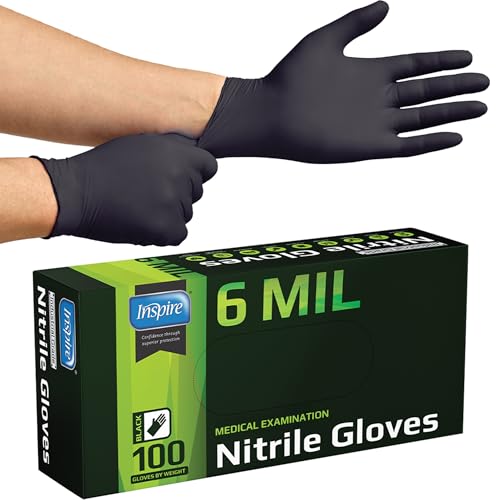
These gloves are a beast. The 6 mil thickness gives you a serious sense of protection. We found that the extra thickness is a game-changer when working with tougher cuts of meat, like brisket or pork shoulder, where you’re dealing with sharp bone fragments and potential puncture hazards.
The black color is a nice touch, hiding any stains or discoloration that might occur during the meat prep process. The nitrile material also provides excellent chemical resistance, which is a significant advantage when handling marinades, brines, or cleaning solutions.
The fit is generally good, but be mindful of sizing. These are heavy-duty, so they might feel a bit snug compared to thinner gloves. We recommend sizing up if you prefer a looser fit or plan to wear them for extended periods.
The textured fingertips provide a good grip, even when wet. This is crucial for handling slippery meat and tools. Overall, these are a top-tier choice for anyone who wants serious protection and durability during meat preparation.
Pros
- Excellent puncture resistance.
- Good chemical resistance.
- Textured fingertips for grip.
- Black color hides stains.
Cons
- Can feel a bit snug.
2. Schneider Nitrile Exam Gloves, Black, Medium

These gloves are a solid choice for general meat prep tasks. They offer a good balance of protection and dexterity. We liked that they are easy to put on and take off, which is a huge plus when you’re constantly switching between tasks.
The black color is practical, as it helps to conceal any mess. We found the fit to be true to size, and the nitrile material is comfortable enough for extended wear. The absence of powder makes them easy to use as well.
However, they might not be the best choice for extremely rough handling or tasks involving sharp objects. For tasks such as trimming fat or portioning cuts, they are perfectly adequate. They are a good all-rounder for general kitchen duties.
The overall quality is good for the price point. If you are looking for a reliable glove for everyday use, these are a great option. They are also suitable for a variety of other kitchen tasks beyond meat preparation.
Pros
- Good dexterity.
- Easy to put on/take off.
- Comfortable for extended wear.
- Powder-free.
Cons
- Not ideal for heavy-duty tasks with sharp objects.
3. Bbq Gloves for Grilling Heat Resistant

These gloves are specifically for heat resistance. They are a must-have for anyone who takes their grilling seriously. We found these gloves to be essential when handling hot coals, moving a searing hot grill grate, or even pulling a slow-smoked brisket.
The heat resistance is impressive, allowing you to confidently handle items that would otherwise be too hot to touch. You’ll be able to quickly adjust your grill setup, flip burgers, or even shred meat while it’s still hot. The design is great for working with gloves for meat prep.
Real-life usage scenario: Imagine you’re smoking a whole turkey. You need to baste it with a hot liquid, and the turkey is too hot to handle directly. These gloves allow you to do that with confidence. You can move the turkey, rotate it, and ensure even cooking without worrying about burns.
The disposable nature is convenient for BBQ, allowing for easy cleanup. They are not designed for direct contact with sharp objects. They are a great safety measure when working with high heat.
Pros
- Excellent heat resistance.
- Disposable and convenient.
- Allows confident handling of hot items.
Cons
- Not suitable for tasks involving sharp objects.
4. Inspire Black Nitrile Disposable Gloves

These are your standard, reliable disposable gloves. They are a good choice for a variety of kitchen tasks, including meat preparation. We found them to be comfortable enough for short to medium-duration use and a good option for everyday kitchen tasks.
The black color is a practical choice, helping to hide any mess. They’re easy to put on and take off, and the nitrile material provides a decent level of protection against basic spills and splashes. They are a solid choice for general use.
These gloves are perfect for quick tasks where you need a barrier between your hands and the food. Imagine you’re making burgers. You can easily shape the patties, handle the raw meat, and keep your hands clean. They provide a quick and easy solution.
They are not as heavy-duty as the 6 mil versions, but they are a great value for the price. They are a good choice if you need a lot of gloves or will be switching tasks frequently.
Pros
- Good value for the price.
- Easy to put on and take off.
- Suitable for general kitchen tasks.
- Black color hides stains.
Cons
- Not as durable as heavy-duty options.
5. Inspire Black Nitrile Disposable Gloves
We’re revisiting these gloves again because their versatility makes them a great option for any kitchen. These are consistent in quality and performance. We found these to be a reliable choice in a variety of kitchen settings, including meat prep.
The black color is perfect for hiding stains and they fit comfortably. The nitrile material is a good balance between protection and dexterity. They are also easy to dispose of, making cleanup a breeze. (See Also: White Gloves Mens )
These gloves are great for tasks like portioning chicken or forming meatballs. They allow you to maintain a hygienic environment while keeping your hands clean. They’re also useful for handling messy sauces or marinades.
They’re a cost-effective option for anyone who goes through a lot of gloves. They are a great choice for both home cooks and professionals. Their quality and price point makes them a winner.
Pros
- Versatile for various kitchen tasks.
- Comfortable fit.
- Easy to dispose of.
- Cost-effective.
Cons
- Not as puncture-resistant as heavy-duty options.
6. Disposable Vinyl Gloves, Food Safe, Latex Free

As a seasoned butcher, I’ve used countless gloves, and these vinyl ones are a decent entry-level option. They’re easy to slip on and off, which is a big plus when you’re constantly switching tasks. The fit is generally loose, which can be good for dexterity in some cases, but it also means they can bunch up a bit when handling smaller cuts.
The material feels smooth, almost slippery, which can be both a blessing and a curse. You can move quickly, but it also makes gripping wet or greasy meat a little tricky. Durability is average; they’ll get the job done for basic tasks, but don’t expect them to withstand heavy-duty use or rough handling.
For simple tasks like portioning ground beef or packaging cuts, these are perfectly adequate. They provide a barrier against contamination and allow for reasonable movement. I have found the thickness to be a good balance between feel and protection. They are a good entry point.
However, when dealing with sharper bones or heavy-duty cutting, I would recommend something more durable. The vinyl can tear relatively easily, which is a major concern in a busy butcher shop. You will want to be careful with any sharp tools or bones.
Pros
- Easy to put on and take off.
- Food-safe and provides a basic barrier.
- Good for light-duty tasks.
Cons
- Loose fit can hinder some tasks.
- Can be slippery when wet.
- Tears easily with sharp objects.
7. Schneider Vinyl Synthetic Exam Gloves, 4 Mil

These Schneider vinyl gloves are a step up from the basic options, offering a slightly more refined experience. The 4-mil thickness provides a bit more protection and a better feel than the thinner vinyl gloves. The material is still smooth, but it seems to have a slightly better grip, especially when handling meat.
I found the fit to be more comfortable than some other vinyl gloves, which is crucial when you are working long hours. They provide a decent level of dexterity, allowing for precise cuts and handling of smaller pieces. These are an excellent choice for a butcher that needs a reliable glove.
Real-Life Usage Scenario: I was prepping a large batch of sausages the other day, and these gloves were fantastic. The slightly thicker material protected my hands from the constant contact with the cold meat and the seasonings. I was able to knead and stuff the sausage casings with ease, and the gloves held up well throughout the entire process. This is the specific type of glove you want if you are looking for gloves for meat prep.
The latex-free nature is a significant advantage, especially in environments where allergies are a concern. While not as durable as nitrile, the synthetic vinyl is a good compromise between protection and cost. They are a solid choice for general use in a professional kitchen or butcher shop.
Pros
- Improved grip compared to basic vinyl.
- More comfortable fit.
- Latex-free, suitable for sensitive users.
Cons
- Still not as durable as nitrile gloves.
- May tear with sharp tools or bones.
8. Black Nitrile Gloves, Food Safe Disposable
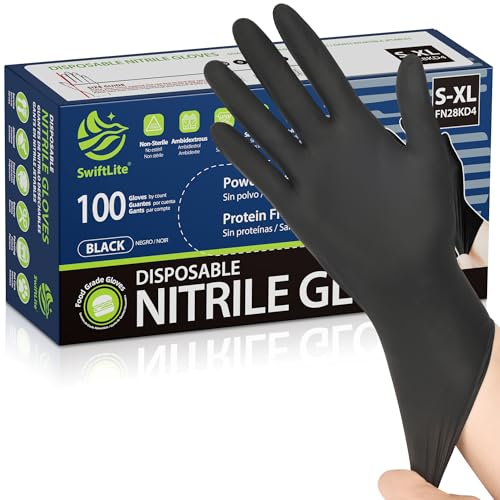
These black nitrile gloves are my go-to choice for most tasks in the butcher shop. The black color is a practical advantage, as it hides stains and makes it easier to spot any tears or punctures. The material is noticeably more durable than vinyl, providing a better level of protection against cuts and abrasions.
The fit is generally snugger than vinyl gloves, which enhances dexterity and allows for a better feel of the product. The nitrile material also provides a better grip, even when wet or greasy, which is a huge advantage when handling meat. They are a very good, all-around glove.
The latex-free composition is essential for avoiding allergic reactions, and the food-safe certification gives you peace of mind. The thicker material can sometimes feel a bit less sensitive than thinner gloves, but the added protection is well worth it. I am able to work much faster and safer with these.
The increased durability means they can withstand more demanding tasks, such as breaking down larger cuts of meat or handling sharp tools. They are a reliable and cost-effective option for anyone who works with meat regularly. You will be happy with this choice.
Pros
- Excellent grip, even when wet.
- Durable and tear-resistant.
- Latex-free and food-safe.
- Snug fit for enhanced dexterity.
Cons
- Can sometimes feel less sensitive than thinner gloves.
9. Black Vinyl Gloves, Food Grade Disposable

These black vinyl gloves offer a similar experience to the clear vinyl options, with a few differences. The black color can be useful for hiding stains, although it doesn’t necessarily improve the performance of the glove. The material feels the same – smooth and relatively easy to slide on and off.
The fit is generally loose, which can be advantageous in some situations, but it does mean they can bunch up. The grip isn’t the best, especially when wet or greasy, and you’ll need to be mindful of your handling technique. They are a decent option for basic tasks.
The latex-free aspect is a positive, accommodating those with allergies. The durability, however, remains a concern, as they can tear with sharp objects or rough handling. These are a good choice if you are on a budget.
Real-Life Usage Scenario: I used these gloves while packaging pre-portioned steaks. The loose fit allowed for easy handling of the plastic wrap, but I had to be careful not to puncture them with the steak bones. They worked well for the task, but I would opt for a more durable glove if I were handling any sharp objects.
Pros
- Easy to put on and take off.
- Latex-free.
- Black color hides stains.
Cons
- Loose fit can hinder some tasks.
- Can be slippery when wet.
- Tears easily with sharp objects.
10. Black Vinyl Gloves, Food Grade Disposable
These black vinyl gloves are very similar to the previous product, offering a basic level of protection and ease of use. The black color is a practical touch, masking stains from blood or grease. The material is smooth and allows for easy donning and removal. (See Also: Goalkeeper Gloves For 10 Year Old )
The fit is generally loose, which is convenient for quick tasks. However, this also means that you may experience reduced dexterity and potential bunching. The grip can be challenging when the gloves are wet or covered in grease, requiring careful handling of the meat.
The latex-free construction is an important feature, particularly in environments where allergies are a concern. The gloves are designed to be food-grade, ensuring they’re safe for contact with food products. The thinness of the material offers reasonable tactile sensitivity, but it also compromises durability.
Who is this specifically for? These gloves are best suited for light-duty tasks where dexterity isn’t critical, such as packaging or general food handling. They are a good choice for those who are sensitive to latex or are looking for a budget-friendly option. For more demanding tasks, a more robust glove material like nitrile is recommended.
Pros
- Easy to put on and remove.
- Latex-free.
- Black color hides stains.
Cons
- Loose fit can affect dexterity.
- Can be slippery when wet.
- Not very durable.
Comparison Table
| Product Name | Material | Thickness (mil) | Food Safe |
|---|---|---|---|
| Inspire Black Nitrile Gloves HEAVY DUTY 6 Mil | Nitrile | 6 | Yes |
| Schneider Nitrile Exam Gloves, Black, Medium | Nitrile | N/A | Yes |
| BBQ Gloves for Grilling Heat Resistant | Heat Resistant | N/A | Yes |
| Inspire Black Nitrile Disposable Gloves | Nitrile | N/A | Yes |
| Inspire Black Nitrile Disposable Gloves | Nitrile | N/A | Yes |
| Disposable Vinyl Gloves, Food Safe, Latex Free | Vinyl | N/A | Yes |
| Schneider Vinyl Synthetic Exam Gloves, 4 Mil | Vinyl | 4 | Yes |
| Black Nitrile Gloves, Food Safe Disposable | Nitrile | N/A | Yes |
| Black Vinyl Gloves, Food Grade Disposable | Vinyl | N/A | Yes |
| Black Vinyl Gloves, Food Grade Disposable | Vinyl | N/A | Yes |
Frequently Asked Questions
Are Nitrile Gloves Better Than Latex Gloves?
Nitrile gloves often are preferred. They are more durable and resistant to punctures. Nitrile is also a good choice for people with latex allergies. This offers a good balance of protection and comfort.
Latex gloves provide excellent dexterity. However, they can cause allergic reactions. Consider your needs and sensitivities.
How Do I Choose the Right Size?
Measure your hand circumference and length. Use a sizing chart provided by the manufacturer. This will help you find the best fit. A good fit ensures comfort and dexterity.
Consider trying different brands. Glove sizes can vary. Choose gloves that are snug but not too tight. Make sure you can move your fingers easily.
Are Gloves Reusable?
Generally, gloves for meat prep are not reusable. They are single-use items. This helps maintain hygiene standards. Always discard gloves after each use.
Reusing gloves increases the risk of contamination. It is best practice to use a new pair for each task. This helps prevent cross-contamination.
What Does ‘food Grade’ Mean?
Food-grade gloves are specifically designed for food handling. They are made from materials. These materials are safe for contact with food. They meet specific safety standards.
Food-grade gloves are tested. They help ensure no harmful chemicals leach into the food. Look for certifications. This ensures food safety.
How Often Should I Change Gloves?
Change gloves frequently. Change them when switching tasks. Change them when they become torn or damaged. Also change them after handling raw meat.
Frequent glove changes minimize the risk of contamination. This helps maintain food safety. Always wash your hands before putting on a new pair.
Can I Use Dishwashing Gloves for Meat Prep?
No, dishwashing gloves are not suitable. They are not designed for food handling. Dishwashing gloves may contain chemicals. These chemicals could contaminate the food.
Always use gloves specifically labeled for food preparation. This ensures food safety. This will also protect yourself from potential hazards.
How Do I Dispose of Gloves Properly?
Dispose of used gloves in a designated waste container. Make sure the container is lined with a bag. This helps contain any potential contaminants.
Follow local regulations for waste disposal. This helps maintain hygiene. It also protects the environment. Never reuse gloves.
Final Verdict
For meat preparation, I recommend nitrile gloves, specifically those with a textured surface for enhanced grip. They strike the best balance between protection, durability, and a low risk of allergic reactions. Choose a thickness of at least 4 mils for adequate protection against punctures and tears.
Nitrile gloves are a safe and practical choice. They are easy to find and afford. Always prioritize food safety and user comfort.