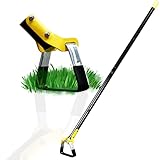
Tired of back-breaking gardening? Wish you could weed, cultivate, and shape your soil with less effort? Then, you need to meet the action hoe! This versatile tool is a game-changer for gardeners of all levels, from beginners to seasoned pros. It’s designed to make your gardening tasks easier, faster, and more enjoyable.
But the action hoe’s effectiveness hinges on understanding how to use it correctly. This guide will take you step-by-step through everything you need to know, from choosing the right action hoe to mastering the techniques for optimal results. Get ready to transform your gardening experience!
We’ll cover everything: the different types of action hoes, how to prepare your garden, and specific techniques for weeding, cultivating, and creating those perfect seed rows. Let’s dig in and get your garden growing!
What Is an Action Hoe?
An action hoe, also known as a stirrup hoe, scuffle hoe, or oscillating hoe, is a gardening tool designed to slice weeds and break up soil with minimal effort. Unlike traditional hoes that you chop down with, the action hoe works with a back-and-forth motion, allowing you to work standing up and conserving energy. The blade is typically flat and rectangular, set at a slight angle to the handle.
The key feature is the blade’s ability to ‘scuffle’ or slide just beneath the soil surface, severing weeds at their roots without disturbing the soil too much. This makes it an excellent choice for weeding around established plants and preparing seedbeds.
Types of Action Hoes
While the basic design remains consistent, action hoes come in various forms. Understanding these differences will help you choose the best one for your gardening needs.
Standard Action Hoe
This is the most common type, featuring a rectangular blade and a long handle. It’s versatile and suitable for most gardening tasks, including weeding, cultivating, and creating furrows.
Collinear Action Hoe
The collinear hoe has a blade that is aligned with the handle. This design offers increased precision and control, making it ideal for weeding in tight spaces or around delicate plants. The collinear design helps you avoid accidentally damaging desired plants.
Heavy-Duty Action Hoe
These hoes feature thicker, more robust blades, making them suitable for tougher soils and more demanding tasks. They’re often preferred for breaking up compacted soil or tackling established weeds.
Adjustable Action Hoe
Some action hoes come with adjustable handles, allowing you to customize the tool’s length to your height. This feature can significantly improve comfort and reduce back strain.
Choosing the Right Action Hoe
Selecting the right action hoe involves considering several factors. (See Also: How Tall Is Hoe Rogan )
- Blade Material: Look for blades made from high-quality steel for durability and sharpness. Stainless steel blades resist rust.
- Blade Size: Choose a blade size appropriate for the size of your garden and the tasks you’ll be performing. Wider blades cover more ground, while narrower blades offer more precision.
- Handle Length and Material: Ensure the handle is long enough for you to work comfortably without bending over. Wood handles offer a classic feel, while fiberglass or metal handles are often more durable and weather-resistant. Consider the handle’s grip for comfort.
- Weight and Balance: A well-balanced hoe is easier to maneuver and reduces fatigue.
- Ergonomics: Consider the overall design and whether the hoe feels comfortable in your hands.
Preparing Your Garden for Action Hoeing
Before you start using your action hoe, proper preparation is essential.
Soil Preparation
The ideal soil conditions for action hoeing are moist but not waterlogged. The soil should be loose and friable. If the soil is too dry, it can be difficult to work. If it’s too wet, the hoe may clog and become less effective. Water the garden a day or two before hoeing if necessary.
Weed Identification
Identify the types of weeds you’re dealing with. Knowing the growth habits of weeds will help you choose the best hoeing technique. For example, young, shallow-rooted weeds are easier to remove than established, deep-rooted ones.
Protecting Desired Plants
Before you begin, mark the rows of your desired plants. This will help you avoid accidentally damaging them while hoeing. Consider using plant markers or string lines to clearly define the areas you want to protect.
Action Hoeing Techniques
Mastering the following techniques will maximize the effectiveness of your action hoe.
Weeding
Weeding is the action hoe’s specialty. Here’s how to do it:
- Positioning: Stand upright, holding the hoe with both hands. Position the blade just beneath the soil surface, angled slightly forward.
- Motion: Push the hoe forward, then pull it back towards you in a smooth, sweeping motion. The blade will slice through the weeds just below the surface, severing their roots.
- Depth: Aim for a depth of about 1 inch to avoid disturbing the soil too much.
- Overlap: Overlap each pass slightly to ensure you remove all the weeds.
- Frequency: Weed regularly, ideally every few days, to catch weeds while they are young and easier to remove.
Cultivating
Cultivating involves breaking up the soil surface to improve aeration and water penetration. Use these steps:
- Positioning: Position the blade just below the soil surface.
- Motion: Use the same back-and-forth motion as weeding, but with a slightly deeper cut.
- Depth: Aim to break up the top inch or two of soil.
- Purpose: Cultivate around your plants to help them grow strong.
Creating Furrows and Seed Rows
The action hoe can also be used to create furrows for planting seeds or transplanting seedlings.
- Positioning: Hold the hoe at an angle, with the blade facing the direction you want to create the furrow.
- Motion: Pull the hoe towards you, creating a trench in the soil.
- Depth: Adjust the depth of the furrow depending on the type of seeds you are planting.
- Spacing: Maintain the correct spacing between rows as needed for your plants.
Common Mistakes to Avoid
Here are some common mistakes to avoid when using an action hoe:
- Hoeing Too Deeply: This can damage plant roots and bring weed seeds to the surface.
- Hoeing When Soil is Too Wet: Wet soil can clog the blade and make it difficult to work.
- Using a Dull Blade: A dull blade requires more effort and is less effective. Sharpen your blade regularly.
- Ignoring Ergonomics: Poor posture can lead to back pain. Adjust the handle length if needed.
- Hoeing Around Established Plants Too Close: Avoid damaging the roots of your plants by hoeing too close.
Maintenance and Care
Proper maintenance will extend the life of your action hoe. (See Also: How To Say Hoe In Sign Language )
- Cleaning: After each use, clean the blade with a brush or cloth to remove soil and debris.
- Sharpening: Sharpen the blade regularly with a file or sharpening stone to maintain its effectiveness.
- Storage: Store the hoe in a dry place to prevent rust.
- Handle Care: Check the handle for any cracks or splinters. Replace the handle if needed.
- Oiling: Occasionally, apply a light coat of oil to the blade to prevent rust.
Troubleshooting Common Issues
Here are some troubleshooting tips:
- Clogging Blade: If the blade clogs, stop working, and clean it. Ensure the soil isn’t too wet.
- Ineffective Weeding: If the hoe isn’t cutting weeds effectively, check the sharpness of the blade and your hoeing technique.
- Back Pain: Adjust your posture and the handle length. Take breaks if needed.
- Damage to Plants: Be careful around plants. Use a collinear hoe for more precision.
Advanced Techniques
Once you are comfortable with the basic techniques, you can explore some advanced methods.
Mulching and Hoeing
Use the action hoe to prepare the soil surface for mulching. After hoeing, apply a layer of mulch to suppress weeds, retain moisture, and improve soil health.
Intercropping with the Action Hoe
Use the action hoe to create space between rows for intercropping. This involves planting different crops together to maximize space and resources.
Hoeing and Composting
Incorporate compost into the soil by using the action hoe to lightly mix it in. This improves soil fertility and structure.
Action Hoe vs. Other Gardening Tools
How does the action hoe compare to other gardening tools?
Action Hoe vs. Traditional Hoe
The action hoe is generally more ergonomic and efficient for weeding and cultivating. Traditional hoes are better for chopping weeds and moving large amounts of soil.
Action Hoe vs. Hand Weeder
Hand weeders are useful for removing individual weeds, especially those with deep roots. The action hoe is better for quickly weeding large areas.
Action Hoe vs. Cultivator
Cultivators are designed for breaking up compacted soil. The action hoe is more versatile for weeding and light cultivation.
Action Hoe vs. Wheel Hoe
Wheel hoes are more efficient for large gardens, as they use wheels. The action hoe is more suitable for smaller gardens and more precise work. (See Also: How Do You Say Hoe In Sign Language )
Safety Precautions
Always practice safety when using an action hoe.
- Wear appropriate footwear: Closed-toe shoes are a must.
- Watch for obstacles: Be aware of rocks, roots, and other objects that could damage the blade or cause injury.
- Use eye protection: Wear safety glasses to protect your eyes from flying debris.
- Store safely: Keep the hoe out of reach of children and pets.
By following these guidelines, you can safely and effectively use your action hoe.
Action Hoeing in Different Garden Types
The action hoe is a versatile tool that can be used in various garden settings.
Vegetable Gardens
In vegetable gardens, the action hoe is ideal for weeding between rows, preparing seedbeds, and cultivating around established plants. Its efficiency helps keep your vegetable garden weed-free and productive.
Flower Beds
Flower beds benefit from the action hoe’s precision. You can carefully weed around delicate flowers without damaging them. It’s also great for preparing the soil for planting new flowers.
Raised Beds
Action hoes work well in raised beds. The elevated beds make it easier to reach and use the hoe. Be sure to maintain the proper soil depth and don’t dig too deep.
Container Gardens
While an action hoe might not be practical for small container gardens, it can be used on larger containers or raised beds that are part of a container garden setup. Use with care to avoid damaging the container.
Maximizing Your Action Hoe’s Effectiveness
To get the most from your action hoe, consider these tips:
- Regular Use: Consistent use is key. Regular hoeing prevents weeds from getting established.
- Proper Technique: Mastering the correct hoeing techniques will improve your results.
- Sharp Blade: Keep the blade sharp for efficient weed removal.
- Soil Conditions: Work when the soil is moist but not waterlogged.
- Plant Spacing: Plan your garden layout to allow for easy access with the hoe.
Action Hoe: A Gardener’s Best Friend
The action hoe is a valuable tool for any gardener. It simplifies weeding, improves soil conditions, and makes gardening more enjoyable. From preparing a seedbed to cultivating around established plants, the action hoe provides a practical, effective, and efficient solution for various gardening tasks. With the right techniques and a bit of practice, you’ll find that your garden becomes easier to manage.
By understanding the different types, proper techniques, and best practices, you can turn your garden into a thriving, weed-free space. Embrace the action hoe and experience the difference it makes in your gardening journey. Happy gardening!
Conclusion
The action hoe is a must-have tool for any gardener looking to simplify their weeding and cultivation tasks. From choosing the right type to mastering the back-and-forth motion, this guide has equipped you with the knowledge to use an action hoe effectively. Embrace the ease and efficiency of this tool, and watch your garden flourish. Say goodbye to back-breaking labor and hello to a more enjoyable gardening experience. The action hoe is your key to a thriving, weed-free garden.