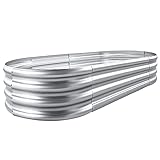
Are you dreaming of homegrown peppers, bursting with flavor and ready to spice up your meals? Planting peppers in a raised bed is an excellent way to cultivate these versatile vegetables, offering numerous advantages for both novice and experienced gardeners. Raised beds provide better drainage, improved soil control, and easier access, making the process of growing peppers more manageable and rewarding.
This comprehensive guide will walk you through every step of how to plant peppers in a raised bed, from selecting the right pepper varieties and preparing your soil to providing ongoing care and troubleshooting common problems. Whether you’re a seasoned gardener or just starting out, this article will equip you with the knowledge and confidence to grow a bountiful pepper harvest right in your backyard. Get ready to enjoy the satisfaction of harvesting your own delicious peppers!
Choosing the Right Pepper Varieties
The first step in successfully planting peppers in a raised bed is selecting the right varieties. Consider your local climate, your taste preferences, and the specific needs of each pepper type. There are countless pepper varieties available, ranging from mild bell peppers to scorching hot habaneros. Choosing the right ones is crucial for a successful harvest.
Climate Considerations
Peppers thrive in warm climates and require a long growing season. Therefore, it’s essential to select varieties that are well-suited to your region’s climate. If you live in a cooler climate with a shorter growing season, consider starting your peppers indoors and transplanting them into the raised bed after the last frost. Fast-maturing varieties are also a good option.
Check your local frost dates to determine the best time to start your pepper plants. You can find this information online or through your local agricultural extension office. Understanding your climate will help you choose varieties that will have enough time to mature and produce fruit before the first frost.
Popular Pepper Varieties
Here’s a breakdown of some popular pepper varieties, categorized by heat level and general characteristics:
- Bell Peppers: Mild and versatile, great for salads, stuffing, and roasting. They come in various colors, including green, red, yellow, and orange.
- Jalapeños: Moderately hot, ideal for adding a kick to your dishes. They are commonly used in salsas, sauces, and pickled.
- Serrano Peppers: Hotter than jalapeños, with a slightly fruity flavor. They are often used in Mexican and Southwestern cuisines.
- Cayenne Peppers: Long and slender, used to make cayenne pepper powder. They offer a good level of heat.
- Habaneros: Extremely hot peppers, with a fruity and floral flavor. Use with caution!
- Scotch Bonnets: Similar in heat to habaneros, with a distinct fruity taste.
Heirloom vs. Hybrid Peppers
You’ll also need to decide between heirloom and hybrid pepper varieties. Heirloom peppers are open-pollinated, meaning you can save seeds from them to plant in future years, preserving specific traits and flavors. Hybrid peppers are created by cross-pollinating two different parent plants, often resulting in improved disease resistance, higher yields, and other desirable traits.
Consider your long-term gardening goals when making this decision. If you’re interested in saving seeds and preserving specific pepper varieties, heirloom peppers are a great choice. If you prioritize disease resistance and higher yields, hybrid peppers might be a better option. Both options can produce delicious peppers.
Preparing Your Raised Bed
Proper preparation of your raised bed is essential for the healthy growth and high yields of your pepper plants. This involves selecting the right location, constructing the raised bed, and enriching the soil with the necessary nutrients. A well-prepared raised bed provides the ideal environment for your peppers to thrive.
Choosing the Right Location
Peppers need at least 6-8 hours of direct sunlight per day to flourish. Therefore, choose a location in your garden that receives ample sunlight. Consider the sun’s path throughout the day and ensure that your raised bed will not be shaded by trees or buildings.
Also, make sure the location has good drainage. Peppers don’t like to sit in waterlogged soil. Avoid areas where water tends to pool after rain. The location should also be easily accessible for watering and weeding.
Building or Choosing a Raised Bed
If you don’t already have a raised bed, you’ll need to build or purchase one. Raised beds can be constructed from various materials, including wood, composite lumber, and even concrete blocks. Choose a material that is durable, weather-resistant, and aesthetically pleasing to you.
The dimensions of your raised bed will depend on the space you have available and the number of pepper plants you plan to grow. A standard size is often 4 feet by 8 feet, but you can adjust the dimensions to fit your needs. Ensure the depth of your raised bed is at least 12 inches, but ideally 18 inches, to provide enough space for the pepper roots to grow.
Soil Preparation and Amendments
The soil in your raised bed is the foundation for your pepper plants’ success. Peppers prefer well-draining soil that is rich in organic matter. Before planting, amend your soil with compost, aged manure, or other organic matter to improve its fertility and drainage. This will provide the necessary nutrients for healthy growth and abundant fruit production. (See Also: Learn How to Plant Cattails: A Complete Guide)
Conduct a soil test to determine the pH level and nutrient content of your soil. Peppers prefer a slightly acidic soil with a pH between 6.0 and 6.8. If your soil is too acidic, you can add lime to raise the pH. If it’s too alkaline, you can add sulfur or peat moss to lower the pH.
Here’s a guide to common soil amendments:
| Amendment | Benefits |
|---|---|
| Compost | Improves soil structure, adds nutrients, and enhances water retention |
| Aged Manure | Adds nutrients, improves soil structure, and acts as a slow-release fertilizer |
| Peat Moss | Improves soil drainage and water retention, and lowers soil pH |
| Vermicompost (Worm Castings) | Adds nutrients, improves soil structure, and enhances water retention |
Planting Your Pepper Plants
Once your raised bed is prepared, it’s time to plant your pepper plants. This involves transplanting seedlings, spacing the plants correctly, and watering them adequately. Proper planting techniques will set the stage for healthy growth and a bountiful harvest.
Starting Pepper Plants Indoors (optional)
In regions with short growing seasons, starting pepper plants indoors can give them a head start. Start seeds 6-8 weeks before the last expected frost. Use seed starting trays or small pots filled with a seed-starting mix. Keep the soil moist and provide adequate light, either from a sunny windowsill or grow lights.
Once the seedlings have developed a few sets of true leaves, they are ready to be transplanted into the raised bed. This will give your peppers a significant advantage.
Transplanting Seedlings Into the Raised Bed
When transplanting seedlings into the raised bed, wait until the danger of frost has passed and the soil has warmed up. Harden off the seedlings by gradually exposing them to outdoor conditions for a week before transplanting. This acclimates the plants to the outdoor environment.
Dig holes in the soil that are slightly larger than the root balls of your seedlings. Gently remove the seedlings from their pots, being careful not to damage the roots. Place the seedlings in the holes and backfill with soil, gently firming the soil around the roots. Water thoroughly after transplanting.
Spacing Pepper Plants
Proper spacing between pepper plants is crucial for air circulation and sunlight exposure. The recommended spacing varies depending on the pepper variety, but a general guideline is to space plants 18-24 inches apart. This will give each plant enough room to grow and develop without overcrowding.
If you’re planting multiple rows, space the rows 24-36 inches apart. This will provide enough room for you to walk between the rows and tend to your plants. Overcrowding can lead to disease and reduced yields.
Watering After Planting
Water your newly planted pepper plants thoroughly after transplanting. This helps to settle the soil around the roots and provides the plants with the necessary moisture to establish themselves. Water deeply and consistently, especially during the first few weeks after planting.
Avoid overwatering, which can lead to root rot. Check the soil moisture regularly and water only when the top inch of soil feels dry to the touch. Consistent watering is crucial for establishment.
Caring for Your Pepper Plants
Once your pepper plants are in the ground, ongoing care is essential for their health and productivity. This includes watering, fertilizing, weeding, and providing support. Regular care will help your plants thrive and produce a bountiful harvest.
Watering Techniques
Peppers need consistent moisture, especially during hot and dry weather. Water your plants deeply and regularly, aiming to keep the soil consistently moist but not waterlogged. The frequency of watering will depend on the weather conditions and the type of soil. (See Also: How to Plant a Fairy Garden: A Complete Guide)
Water at the base of the plants, avoiding getting the foliage wet, which can promote fungal diseases. Using a soaker hose or drip irrigation system is an efficient way to deliver water directly to the roots. Mulching around the plants can help retain moisture and reduce the need for frequent watering.
Fertilizing Your Pepper Plants
Pepper plants are heavy feeders and benefit from regular fertilization. Use a balanced fertilizer that is formulated for vegetables. Follow the instructions on the fertilizer package for application rates and frequency.
Start fertilizing your plants a few weeks after transplanting and continue throughout the growing season. You can use a granular fertilizer, side-dressing the plants with the fertilizer, or a liquid fertilizer, applying it during watering. Consider a fertilizer with a slightly higher phosphorus content to encourage fruit production.
Weeding and Mulching
Weeds compete with your pepper plants for water, nutrients, and sunlight. Therefore, it’s essential to keep your raised bed weed-free. Regularly hand-pull weeds or use a hoe to remove them. Mulching around your pepper plants can help suppress weed growth, retain moisture, and regulate soil temperature.
Use organic mulch, such as straw, shredded leaves, or wood chips. Apply a 2-3 inch layer of mulch around the plants, leaving a small space around the stems to prevent rot. Mulching will also help prevent soil erosion and keep the soil clean.
Supporting Pepper Plants
Some pepper varieties, especially those that produce heavy fruits, may need support to prevent them from falling over. Use stakes, cages, or trellises to support your plants. This will help keep the plants upright, improve air circulation, and make harvesting easier.
Staking is a simple method that involves driving a stake into the ground next to each plant and tying the plant’s stems to the stake with twine or plant ties. Cages provide more support and are ideal for larger pepper plants. Trellises can be used to grow peppers vertically, saving space and improving air circulation.
Common Pests and Diseases
Pepper plants can be susceptible to various pests and diseases. Common pests include aphids, spider mites, and pepper weevils. Common diseases include blossom-end rot, fungal leaf spots, and mosaic virus. Regularly inspect your plants for signs of pests or diseases.
Here’s a table of common pepper pests and diseases, along with potential solutions:
| Pest/Disease | Symptoms | Solutions |
|---|---|---|
| Aphids | Small, soft-bodied insects; curled leaves; sticky substance | Spray with insecticidal soap; introduce ladybugs |
| Spider Mites | Tiny mites; stippled leaves; webbing | Spray with insecticidal soap; increase humidity |
| Pepper Weevils | Small beetles; holes in fruit; distorted fruit | Remove and destroy infested fruit; use insecticides |
| Blossom-End Rot | Black, sunken spots on the bottom of the fruit | Ensure consistent watering; add calcium to the soil |
| Fungal Leaf Spots | Brown or black spots on the leaves | Remove and destroy infected leaves; improve air circulation |
| Mosaic Virus | Mottled leaves; stunted growth | Remove and destroy infected plants; control aphids |
Use organic pest control methods whenever possible, such as insecticidal soap or neem oil. Remove and destroy any infected plants to prevent the spread of diseases. Proper watering, fertilization, and air circulation can also help prevent pests and diseases.
Harvesting Your Peppers
The time to harvest your peppers depends on the variety and the desired level of ripeness. Bell peppers can be harvested at any stage of development, while some other varieties need to mature to their full color before harvesting. Harvesting your peppers at the right time will ensure the best flavor and quality.
When to Harvest
Check the seed packet for the specific days to maturity for your pepper variety. Bell peppers are typically ready to harvest when they are firm, glossy, and have reached their full size. Other pepper varieties will change color as they ripen. Jalapeños, for example, turn from green to red as they mature.
Use a pair of clean garden shears or a sharp knife to cut the peppers from the plant, leaving a small stem attached. Avoid pulling the peppers, as this can damage the plant. Harvest peppers regularly to encourage continued fruit production. (See Also: Unlocking Beauty: A Comprehensive Guide on How to Plant Peony Plants)
Storing Your Peppers
Proper storage is essential to preserve the freshness and flavor of your harvested peppers. Bell peppers can be stored in the refrigerator for up to two weeks. Other pepper varieties may have shorter shelf lives.
Store your peppers in the crisper drawer of your refrigerator. Do not wash the peppers until you are ready to use them. For longer storage, you can freeze, dry, or pickle your peppers.
Troubleshooting Common Problems
Even with the best care, pepper plants can sometimes encounter problems. Understanding common issues and how to address them will help you maintain healthy plants and a bountiful harvest. Here are some common problems and their solutions.
Yellowing Leaves
Yellowing leaves can be caused by various factors, including overwatering, underwatering, nutrient deficiencies, or pests and diseases. Inspect your plants for signs of pests or diseases. Adjust your watering practices to ensure the soil is consistently moist but not waterlogged. Test your soil for nutrient deficiencies and amend with fertilizer as needed.
If the lower leaves are yellowing, it could be a sign of nitrogen deficiency. If the upper leaves are yellowing, it could be a sign of a nutrient deficiency or disease. Identifying the cause will help you fix the problem.
Blossom-End Rot
Blossom-end rot is a common problem that causes black, sunken spots on the bottom of the peppers. It’s caused by a calcium deficiency, which can be exacerbated by inconsistent watering. Ensure consistent watering and add calcium to the soil, such as by adding crushed eggshells or using a calcium-rich fertilizer.
Make sure your soil pH is within the optimal range for peppers (6.0-6.8). This will help with calcium uptake. Blossom-end rot is not a disease but a physiological disorder caused by environmental factors.
Failure to Set Fruit
If your pepper plants are not setting fruit, there could be several reasons. Excessive heat or cold can interfere with pollination. Ensure your plants receive adequate sunlight and water. Hand-pollinate the flowers by gently shaking the plants or using a small brush to transfer pollen from one flower to another.
Lack of pollination is the most common reason for failure to set fruit. Other factors include nutrient deficiencies or insect damage. Addressing any underlying issues will increase the chances of fruit production.
Pest Infestations
Pest infestations can damage pepper plants and reduce yields. Regularly inspect your plants for signs of pests, such as aphids, spider mites, or pepper weevils. Use organic pest control methods, such as insecticidal soap or neem oil, to control pests. Remove and destroy any infested plants to prevent the spread of pests.
Early detection and treatment are crucial for controlling pests. Prevention, such as using row covers or companion planting, can also help to minimize pest problems.
Conclusion
Growing Peppers in a Raised Bed Is a Rewarding Experience That Allows You to Enjoy Fresh, Flavorful Peppers Throughout the Growing Season. By Following the Tips in This Guide, Including How to Plant Peppers in a Raised Bed, You’ll Be Well on Your Way to a Successful Pepper Harvest. Remember to Choose the Right Pepper Varieties, Prepare Your Soil Thoroughly, and Provide Consistent Care. With a Little Effort and Attention, You Can Cultivate a Thriving Pepper Garden and Savor the Delicious Fruits of Your Labor!
Recommended Products