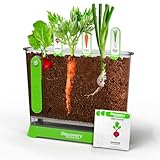
Are you ready for an exciting adventure into the world of plants? Growing your own plant is a fantastic way to learn about nature, responsibility, and the amazing process of life! This guide will show you exactly how to grow a plant for kids, making it a fun and educational experience for everyone.
We’ll explore everything from choosing the right plant and gathering supplies to the exciting day your plant sprouts and thrives. You’ll learn the secrets of watering, sunlight, and caring for your green friend. Get ready to get your hands dirty and discover the magic of watching a tiny seed transform into something beautiful!
This journey isn’t just about growing a plant; it’s about nurturing curiosity and developing a love for the environment. So, grab your gardening gloves, and let’s get started on this wonderful adventure. Let’s learn how to grow a plant for kids together, making memories and growing green thumbs!
Choosing the Right Plant for Kids
The first step in our gardening adventure is selecting a plant that’s perfect for kids. Not all plants are created equal, especially when it comes to little gardeners. We want a plant that is easy to grow, fast-growing, and fun to watch. This will keep kids engaged and excited about the process.
Consider the plant’s needs, growth rate, and overall resilience. A plant that is too delicate or takes too long to sprout can be discouraging. We will explore some excellent options that are perfect for beginners and offer a rewarding experience for children of all ages. This will help you choose the best plant for your child to grow.
Easy-to-Grow Plant Options
Here are some fantastic choices for your young gardeners, known for their ease of care and quick growth, making them perfect for kids. These plants are generally forgiving, even if a little extra water or sunlight is given. They are also interesting and fun to observe, keeping children engaged in the process.
- Bean Seeds: Bean seeds are a classic choice! They germinate quickly, often within a week, and the entire process, from seed to sprout, is visible and exciting for kids to watch.
- Sunflower Seeds: Sunflowers are another great option. They grow tall and produce beautiful flowers, giving kids a sense of accomplishment. They also grow relatively quickly.
- Radishes: Radishes are surprisingly fast growers! Kids can harvest them within a month, providing a quick reward for their hard work.
- Marigolds: Marigolds are vibrant and cheerful flowers that are relatively easy to grow from seeds. They add color and attract beneficial insects to the garden.
- Fast-Growing Herbs (Basil, Mint): Herbs like basil and mint are easy to start from seeds or small plants. They can be used in cooking, providing a practical and fun learning experience.
Things to Consider When Choosing a Plant
Before you make your final decision, consider a few factors that will influence your child’s success and enjoyment. These factors will help ensure a positive gardening experience. Thinking about these details can set your child up for success.
- Climate: Choose plants that are suitable for your local climate and growing season. Some plants thrive in warm weather, while others prefer cooler temperatures.
- Sunlight Requirements: Make sure your chosen plant will get the right amount of sunlight in the location where you plan to grow it. Different plants have different needs.
- Space: Consider the size of the plant when it’s fully grown. Will it fit comfortably in the pot or garden bed you have available?
- Safety: Avoid plants that are poisonous or have thorns, especially if you have very young children. Always supervise kids around plants.
- Interests: Ultimately, choose a plant that your child is excited about! This will make the entire process much more enjoyable for them.
Gathering Your Gardening Supplies
Now that you’ve picked the perfect plant, it’s time to gather your gardening supplies! Having the right tools and materials will make the planting process easier and more enjoyable for your little gardener. You don’t need a lot of fancy equipment to get started. Basic supplies are perfectly adequate. (See Also: Unveiling: How Does Colored Light Affect Plant Growth?)
We’ll go over the essentials, from pots and soil to watering cans and gardening tools. This will help you prepare for a successful planting experience. Let’s get our supplies ready and prepare for planting!
Essential Gardening Tools and Materials
Here’s a list of the essential supplies you’ll need to grow your plant. These are basic items that are easy to find and relatively inexpensive. Most of these items can be found at your local garden center or online.
- Pots or Containers: Choose pots with drainage holes to prevent overwatering. The size of the pot should be appropriate for the size of your chosen plant. Consider using recycled containers for an eco-friendly approach.
- Potting Soil: Use a good-quality potting mix specifically designed for plants. Avoid using soil from your garden, as it may contain pests or diseases.
- Seeds or Seedlings: Obtain seeds or small plants (seedlings) of your chosen plant. Make sure the seeds are fresh and from a reputable source.
- Watering Can or Bottle: A watering can with a gentle spout is ideal for watering plants without disturbing the soil. A spray bottle can also be used for seedlings.
- Small Trowel or Spoon: A small trowel or spoon will help you gently dig into the soil and plant the seeds or seedlings.
- Gardening Gloves: Small gardening gloves will protect your child’s hands and keep them clean.
- Plant Markers: Use plant markers to label the plants, so you remember what you planted. This is especially helpful if you’re planting multiple varieties.
- Sunlight: Your plant will need sunlight, so choose a sunny location.
Optional Supplies to Enhance the Experience
While the above items are essential, there are a few optional supplies that can enhance your child’s gardening experience and make it even more fun. These items are not strictly necessary but can add to the enjoyment of gardening.
- Gardening Apron: A small gardening apron will keep your child’s clothes clean and add to the fun.
- Spray Bottle: A spray bottle is great for misting seedlings and keeping the soil moist.
- Magnifying Glass: A magnifying glass can help kids observe the tiny details of the plant as it grows, such as the roots or leaves.
- Gardening Books for Kids: Gardening books can provide additional information and inspiration for your child.
- Decorations: Allow your child to decorate their pots or create a small garden sign to add a personal touch.
Planting Your Seeds or Seedlings
With your supplies gathered, it’s time for the exciting part: planting! This is where the magic begins. Follow these simple steps to help your child successfully plant their seeds or seedlings. This part is incredibly rewarding for kids.
We’ll walk through the process step-by-step, from filling the pot with soil to planting the seeds and watering them. Remember to be patient and gentle. The most important thing is to make it a fun and enjoyable experience for your child!
Step-by-Step Planting Instructions
- Prepare the Pot: Fill your pot with potting soil, leaving about an inch of space from the top. Gently pat down the soil to level it.
- Plant the Seeds: If you’re using seeds, follow the instructions on the seed packet for planting depth. Usually, you’ll want to plant them about twice as deep as they are wide. If you’re using seedlings, gently remove them from their container and place them in the pot.
- Cover the Seeds: Gently cover the seeds with soil, patting it down lightly. If you’re planting seedlings, fill in the soil around the roots.
- Water Gently: Water the soil gently using a watering can or spray bottle. Make sure the soil is moist but not waterlogged.
- Label the Plant: Use a plant marker to label the pot with the name of the plant and the date you planted it.
- Find a Sunny Spot: Place the pot in a location that receives the appropriate amount of sunlight for your chosen plant.
Planting Tips for Success
Here are some additional tips to help your child succeed in planting. Following these tips can maximize the chances of success. These tips will also help to avoid common mistakes.
- Read the Seed Packet: Always read the seed packet for specific instructions on planting depth, spacing, and sunlight requirements.
- Don’t Overwater: Overwatering can lead to root rot. Water only when the soil feels dry to the touch.
- Provide Adequate Sunlight: Most plants need at least six hours of sunlight per day. Adjust the location as needed.
- Be Gentle: Handle seeds and seedlings gently to avoid damaging them.
- Be Patient: It takes time for plants to grow. Encourage your child to be patient and observe the changes in their plant.
Caring for Your Growing Plant
Once your plant is planted, the real fun begins: caring for it! This is where your child learns about responsibility and the importance of consistent care. Regular care is essential for healthy plant growth and happy plants. (See Also: Aloe Plant Watering Guide: How Often to Water an Aloe Plant)
We’ll discuss the key elements of plant care, including watering, sunlight, and other essential tasks. This will help you keep your plant healthy and thriving. Proper care will also help your child develop a deeper appreciation for nature.
Watering: The Golden Rule
Watering is one of the most important aspects of plant care. The amount of water a plant needs depends on the plant type, the size of the pot, and the climate. Overwatering and underwatering can both be harmful.
- How to Water: Water the plant when the top inch of soil feels dry to the touch. Water slowly and evenly until the water drains out of the drainage holes.
- Frequency: The frequency of watering will depend on the plant. Some plants need watering every day, while others need watering only once a week.
- Signs of Overwatering: Yellowing leaves, wilting, and a soggy soil are signs of overwatering.
- Signs of Underwatering: Wilting leaves, dry soil, and stunted growth are signs of underwatering.
Sunlight: Finding the Right Balance
Sunlight is another crucial factor in plant care. Most plants need sunlight to photosynthesize, which is how they create energy. The amount of sunlight a plant needs depends on the species.
- Sunlight Requirements: Research the sunlight requirements of your chosen plant. Some plants need full sun (at least six hours of direct sunlight), while others prefer partial shade (a few hours of direct sunlight).
- Placement: Place the plant in a location that receives the appropriate amount of sunlight. Adjust the location as needed.
- Signs of Too Much Sun: Scorched leaves and faded colors can indicate too much sun.
- Signs of Not Enough Sun: Stunted growth, pale leaves, and a lack of flowers can indicate not enough sun.
Other Important Care Tips
In addition to watering and sunlight, there are other important tasks to keep your plant healthy and happy. These tasks will contribute to the overall health and well-being of the plant. They will also teach your child about plant care responsibilities.
- Fertilizing: Use a balanced liquid fertilizer according to the package instructions. Fertilize during the growing season (spring and summer).
- Weeding: Remove any weeds that grow in the pot or garden bed. Weeds compete with the plant for nutrients and water.
- Pruning: Trim away any dead or yellowing leaves. Pruning helps the plant to focus its energy on new growth.
- Pest Control: Inspect the plant regularly for pests. If you find any pests, treat them with an appropriate insecticide or natural remedy.
- Observation: Encourage your child to observe the plant regularly. This will help them to notice any changes or problems.
Troubleshooting Common Problems
Even with the best care, problems can sometimes arise. Don’t worry if things don’t go perfectly! It is a part of the learning process. Learning how to troubleshoot problems is an important part of gardening. Learning from mistakes will also help you and your child become better gardeners.
We’ll address some common issues and how to solve them. This will help you identify and resolve issues quickly. This will also help your child develop problem-solving skills.
Common Problems and Solutions
Here are some common problems and their solutions. These are common issues that both new and experienced gardeners face. Understanding these issues will help you to address them effectively. (See Also: Expert Guide: How to Hang a Hanging Plant Outside Safely)
- Yellowing Leaves: This can be caused by overwatering, underwatering, or a lack of nutrients. Adjust the watering schedule, and consider fertilizing the plant.
- Wilting Leaves: This can be caused by overwatering, underwatering, or heat stress. Check the soil moisture, and move the plant to a cooler location if needed.
- Stunted Growth: This can be caused by a lack of sunlight, a lack of nutrients, or pests. Move the plant to a sunnier location, fertilize it, and inspect for pests.
- Pests: Inspect the plant regularly for pests. Treat any pests with an appropriate insecticide or natural remedy.
- Root Rot: This is caused by overwatering. Allow the soil to dry out, and repot the plant in fresh potting mix if necessary.
Encouraging Your Child Through Challenges
Gardening can be a learning experience. It’s important to encourage your child through any challenges they may face. This will help them to develop resilience and a love for gardening. Dealing with setbacks is a valuable life lesson.
- Patience and Persistence: Remind your child that gardening takes time and patience. Encourage them to keep trying, even if they experience setbacks.
- Learning from Mistakes: Help your child to see mistakes as learning opportunities. Discuss what went wrong and how they can improve next time.
- Celebrate Successes: Celebrate even the small successes, such as the first sprout or the first flower. This will keep them motivated.
- Positive Reinforcement: Offer positive reinforcement and praise for their efforts. This will boost their confidence and encourage them to continue gardening.
The Fun and Rewarding Journey of Growing a Plant
Growing a plant with a child is a fun and rewarding experience that offers numerous benefits. It’s an opportunity to learn, explore, and create lasting memories. Gardening provides a unique blend of education, fun, and connection with nature.
From the initial planting to the final harvest, the journey is filled with excitement and learning. This journey fosters a sense of accomplishment and pride. You and your child will create memories that will last a lifetime.
Benefits of Gardening with Kids
Gardening with kids offers a multitude of benefits, both educational and personal. The benefits extend beyond the simple task of growing a plant. These benefits will enrich their lives and provide valuable skills.
- Learning about Nature: Gardening teaches children about the natural world, including the life cycle of plants, the importance of sunlight and water, and the role of insects.
- Developing Responsibility: Caring for a plant teaches children about responsibility and the importance of consistent care.
- Promoting Patience: Gardening requires patience, as plants take time to grow. This helps children to develop patience and perseverance.
- Encouraging Healthy Eating: Growing fruits, vegetables, and herbs can encourage children to eat healthier foods.
- Boosting Creativity: Gardening can spark creativity, as children can design their gardens, decorate their pots, and experiment with different plants.
- Reducing Stress: Gardening can be a relaxing and therapeutic activity, helping children to reduce stress and anxiety.
Making Memories and Building a Love for Nature
The most important part of this journey is creating memories and building a love for nature. This experience will create bonds and provide opportunities for fun and learning. It also creates a lasting appreciation for the environment.
Take the time to share this experience with your child. Gardening can be a bonding activity that strengthens family relationships. So, grab your gardening gloves, and enjoy the journey of growing a plant with your child!
Conclusion
Congratulations! You’ve successfully navigated the steps on how to grow a plant for kids. Remember to choose the right plant, gather your supplies, plant with care, and provide consistent care. Embrace the learning process, and don’t be afraid to get your hands dirty! Gardening is a wonderful way to connect with nature, teach valuable lessons, and create lasting memories. Now, go out there and enjoy the rewarding experience of watching your plants thrive!
Recommended Products