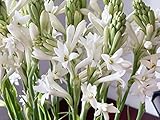
Imagine your garden filled with the intoxicating fragrance of tuberose, a scent so captivating it has been used in perfumes for centuries. Planting tuberose bulbs is a rewarding experience, transforming any outdoor space into a haven of beauty and aromatic delight. This guide will walk you through every step, ensuring you successfully cultivate these stunning flowers and enjoy their enchanting perfume.
Tuberose, with its elegant, white, star-shaped flowers and intoxicating fragrance, is a true gem for any garden. Knowing how to plant tuberose bulbs correctly is key to a flourishing display. From choosing the right bulbs to providing proper care, we’ll cover everything you need to know to bring this exotic beauty to life in your garden.
Choosing the Right Tuberose Bulbs
The foundation of a successful tuberose garden starts with selecting healthy, high-quality bulbs. It’s crucial to choose bulbs that are firm, plump, and free from any signs of damage or disease. Look for bulbs that are of a good size, as larger bulbs generally produce more robust plants and more abundant blooms.
Consider the source when buying your bulbs. Reputable nurseries and garden centers are more likely to offer quality bulbs that are true to type. Check the bulb’s packaging or description for information about its variety. Some popular tuberose varieties include ‘Single’ (the most common), ‘Double’ (with multiple layers of petals), and ‘Pearl’ (another double variety with a slightly different form).
Assessing Bulb Quality
Before purchasing, carefully inspect the bulbs. Avoid bulbs that are soft, mushy, or show signs of mold or rot. A healthy tuberose bulb should feel firm to the touch. The presence of any cuts or bruises could indicate potential problems. Choose bulbs that appear clean and dry.
The size of the bulb is an important factor. Larger bulbs typically produce more impressive flower spikes. While bulb size isn’t the only determinant of success, it can influence the plant’s overall vigor and flowering performance. Generally, bulbs that are at least 1.5 to 2 inches in diameter are a good choice.
Selecting Varieties
There are several tuberose varieties available, each with its own unique characteristics. The most popular choice is the single-flowered tuberose, known for its strong fragrance and elegant appearance. Double-flowered varieties offer a fuller, more luxurious look, with multiple layers of petals.
Consider the color and form of the flowers when selecting your bulbs. While white is the most common color, some varieties may have a slight cream or pink tinge. Also, think about the overall aesthetic you want to achieve in your garden. Different varieties may have slightly different growth habits and flowering times.
Timing and Location: Optimal Planting Conditions
The timing of planting and the chosen location play a crucial role in the successful cultivation of tuberose. Tuberose thrives in warm climates and requires specific conditions to flourish. Understanding the ideal planting time and location is essential for maximizing growth and flowering.
Tuberose bulbs are typically planted in the spring, after the danger of frost has passed. The exact timing will depend on your local climate. Generally, you can plant them when the soil temperature consistently reaches 65°F (18°C) or warmer. This usually occurs after the last frost date for your region.
Choosing the Right Location
Tuberose plants need full sun to thrive, meaning they require at least six to eight hours of direct sunlight per day. Choose a location in your garden that receives ample sunlight. Avoid planting them in shaded areas, as this can lead to weak growth and fewer flowers.
Well-draining soil is essential for tuberose. These plants are susceptible to root rot if the soil remains waterlogged. The soil should be slightly acidic to neutral, with a pH of 6.0 to 7.0. Amend the soil with organic matter, such as compost or well-rotted manure, to improve drainage and fertility.
Understanding Climate Needs
Tuberose plants are not cold-hardy and are best suited to warm climates. In colder regions, you can grow them as annuals or dig up the bulbs in the fall and store them indoors over winter. They need a long growing season to flower properly. The plants need warmth and sunshine to grow.
If you live in a climate with cool summers, consider starting your tuberose bulbs indoors a few weeks before the last expected frost. This will give them a head start and increase the likelihood of flowering. Ensure the area has a stable temperature and access to sunlight. (See Also: Revive Your Monstera: How to Save a Monstera Plant)
Preparing the Soil and Planting the Bulbs
Preparing the soil correctly is essential for tuberose bulbs to thrive. Proper soil preparation provides the necessary nutrients, drainage, and environment for healthy growth. Taking the time to prepare the soil properly will significantly increase your chances of success.
Before planting, prepare the soil by loosening it to a depth of at least 12 inches (30 cm). This will allow the roots to penetrate easily and promote good drainage. Remove any rocks, weeds, or debris. Incorporate organic matter such as compost or well-rotted manure into the soil.
Soil Amendment and Drainage
Tuberose bulbs prefer well-draining soil. To improve drainage, add coarse sand, perlite, or vermiculite to the soil. This will help prevent waterlogging and reduce the risk of root rot. Ensure that the soil drains effectively after watering or rainfall.
Incorporate a balanced fertilizer into the soil before planting. A fertilizer with a balanced NPK ratio (nitrogen, phosphorus, and potassium) will provide the necessary nutrients for healthy growth and flowering. Follow the manufacturer’s instructions for application rates.
Planting the Bulbs
Plant the tuberose bulbs with the pointed end facing upwards, about 2-3 inches (5-7.5 cm) deep. Space the bulbs about 6-8 inches (15-20 cm) apart from each other. This spacing will give the plants enough room to grow and develop.
After planting, water the bulbs thoroughly. This will help settle the soil and encourage root development. Water deeply but infrequently, allowing the soil to dry out slightly between waterings. Avoid overwatering, which can lead to root rot. Mulch around the base of the plants to retain moisture and suppress weeds.
Caring for Your Tuberose Plants
Proper care is essential to ensure your tuberose plants flourish and produce an abundance of fragrant blooms. Regular watering, fertilization, and pest control are key components of successful tuberose cultivation. Understanding these aspects of care will help you keep your plants healthy and vibrant.
Water tuberose plants regularly, especially during dry periods. Water deeply, but allow the soil to dry out slightly between waterings. Avoid overwatering, which can lead to root rot. During the growing season, water about once a week, or more often during hot weather.
Fertilizing Your Plants
Fertilize your tuberose plants every 4-6 weeks during the growing season. Use a balanced fertilizer with a balanced NPK ratio (nitrogen, phosphorus, and potassium). Follow the manufacturer’s instructions for application rates. Avoid over-fertilizing, which can lead to excessive foliage growth and fewer flowers.
You can also supplement with a fertilizer that is higher in phosphorus to encourage flowering. Look for fertilizers specifically formulated for flowering plants. Always water thoroughly after fertilizing to help the nutrients reach the roots.
Pest and Disease Control
Tuberose plants are generally resistant to pests and diseases, but they can occasionally be affected. Common pests include spider mites, aphids, and mealybugs. Inspect your plants regularly for signs of infestation. Treat any pests promptly with insecticidal soap or neem oil.
Common diseases include root rot and fungal infections. To prevent root rot, ensure that the soil has good drainage and avoid overwatering. If you notice any signs of fungal infections, such as leaf spots or wilting, treat the plants with a fungicide. Good air circulation around the plants will also help prevent fungal issues.
Staking and Support
Tuberose plants can grow tall, and their flower spikes may become heavy. To prevent the plants from flopping over, consider staking them. Use stakes made of wood or metal. Gently tie the stems to the stakes with soft twine or plant ties. (See Also: Expert Guide: How Do You Take Care of a Lavender Plant?)
Staking will provide support and keep the flower spikes upright. Proper support will prevent the stems from breaking, especially during windy conditions. Make sure to stake the plants when they are young to avoid damaging the roots later.
Harvesting and Storing Tuberose Blooms
Harvesting tuberose blooms is a delightful experience. The best time to harvest the flowers is in the evening, when their fragrance is at its peak. Properly harvested and stored blooms can be enjoyed for a few days, bringing the enchanting scent of tuberose into your home. This section will guide you through the process.
Harvest the flower spikes when the first few buds are starting to open. Cut the stems at the base, leaving a few leaves on the plant. Harvesting in the evening will ensure that the flowers have the most intense fragrance. Handle the stems carefully to avoid damaging the delicate blooms.
Prolonging the Life of Your Blooms
To prolong the life of your tuberose blooms, place the cut stems in a vase filled with fresh water. Add a floral preservative to the water to help keep the flowers fresh. Remove any leaves that will be below the waterline to prevent bacterial growth.
Keep the vase in a cool location, away from direct sunlight and heat sources. Change the water every day or two. With proper care, your tuberose blooms can last for several days, filling your home with their exquisite fragrance.
Storing Bulbs for the Winter (in Colder Climates)
In colder climates, tuberose bulbs need to be stored indoors during the winter. After the first frost, carefully dig up the bulbs. Gently brush off the soil and allow the bulbs to dry for a few days in a well-ventilated location. Remove any dead leaves or stems.
Store the bulbs in a cool, dry place. A paper bag, cardboard box, or mesh bag works well. Check the bulbs periodically for any signs of rot or mold. Replant the bulbs in the spring after the danger of frost has passed. This process will ensure the survival of your plants.
Troubleshooting Common Problems
Even with the best care, you may encounter some challenges when growing tuberose. Knowing how to identify and address common problems will help you keep your plants healthy and thriving. This section will address some of the most frequent issues.
One of the most common problems is failure to bloom. This can be caused by several factors, including insufficient sunlight, lack of nutrients, or improper watering. Ensure your plants receive adequate sunlight, fertilize them regularly, and avoid overwatering.
Root Rot and Pest Infestations
Root rot is another common issue, especially in poorly drained soil. Symptoms include yellowing leaves, wilting, and a soft, mushy base. To prevent root rot, ensure that the soil has good drainage. Avoid overwatering. If root rot occurs, remove the affected bulbs and replant them in well-draining soil.
Pest infestations can also be a problem. Spider mites, aphids, and mealybugs can all attack tuberose plants. Inspect your plants regularly for signs of infestation. Treat any pests promptly with insecticidal soap or neem oil. Good air circulation around the plants can also help prevent infestations.
Addressing Yellowing Leaves and Other Issues
Yellowing leaves can be caused by several factors, including overwatering, underwatering, or nutrient deficiencies. Determine the cause and adjust your watering and fertilizing practices accordingly. Make sure the plants are getting enough sunlight.
If you notice any signs of disease, such as leaf spots or wilting, treat the plants with a fungicide. If the plant does not seem to grow well, check the soil pH and amend the soil if necessary. Proper care and attention to detail will help you overcome many of the challenges you may face. (See Also: How to Plant Amaranth Seeds: A Complete Guide)
Frequently Asked Questions (paa Style)
How Deep Should I Plant Tuberose Bulbs?
Tuberose bulbs should be planted about 2-3 inches (5-7.5 cm) deep. This planting depth provides adequate support and helps the bulbs develop a strong root system. Planting too shallowly can make the plants unstable, while planting too deeply can delay or prevent flowering.
Always ensure the pointed end of the bulb faces upwards during planting. After planting, gently cover the bulbs with soil and water thoroughly. This will help settle the soil and encourage root development.
When Is the Best Time to Plant Tuberose Bulbs?
The best time to plant tuberose bulbs is in the spring, after the danger of frost has passed. The ideal time to plant is when the soil temperature consistently reaches 65°F (18°C) or warmer. This typically occurs after the last frost date for your region.
Planting at the correct time will give your tuberose plants the best chance to grow and flower. Delaying planting can result in a shorter growing season, potentially affecting flowering. If you live in a colder climate, you can start the bulbs indoors a few weeks before the last expected frost.
How Long Does It Take for Tuberose Bulbs to Bloom?
Tuberose bulbs typically take 90-120 days to bloom after planting, depending on the variety and growing conditions. The flowering time can also be affected by the climate, soil conditions, and the amount of sunlight the plants receive.
The flowering period usually lasts for several weeks, providing a long-lasting display of fragrant blooms. Ensure that the plants receive adequate sunlight, water, and nutrients to encourage flowering. Proper care will help extend the flowering period and enhance the beauty of your garden.
Do Tuberose Bulbs Need a Lot of Water?
Tuberose plants require regular watering, especially during the growing season. Water deeply, but allow the soil to dry out slightly between waterings. Avoid overwatering, as this can lead to root rot. During hot weather, you may need to water more frequently.
The frequency of watering will depend on your local climate, soil type, and the age of the plants. Newly planted bulbs need consistent moisture to establish their roots. Established plants are more tolerant of drier conditions, but they still need regular watering to thrive and produce flowers.
How Do You Fertilize Tuberose?
Fertilize your tuberose plants every 4-6 weeks during the growing season. Use a balanced fertilizer with a balanced NPK ratio (nitrogen, phosphorus, and potassium). Follow the manufacturer’s instructions for application rates. Avoid over-fertilizing, which can lead to excessive foliage growth and fewer flowers.
You can also supplement with a fertilizer that is higher in phosphorus to encourage flowering. Look for fertilizers specifically formulated for flowering plants. Always water thoroughly after fertilizing to help the nutrients reach the roots. This will enhance the overall health and bloom production.
Conclusion: Enjoying the Fragrant Rewards
Planting tuberose bulbs is a rewarding endeavor that brings an element of elegance and intoxicating fragrance to your garden. By following the guidelines in this article, from bulb selection to post-planting care, you can create a stunning display of these beautiful flowers.
The intoxicating fragrance of tuberose is a true sensory delight. With a little care and attention, you can enjoy the beauty and perfume of tuberose for many years to come. Your patience and effort will be rewarded with a garden filled with the captivating scent of tuberose.
Recommended Products