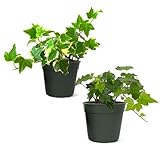
English ivy, with its lush green foliage, is a versatile plant that can transform any space. Whether you’re aiming to create a cascading effect from a hanging basket, cover a bare wall, or simply add a touch of elegance to your garden, knowing how to plant English ivy is a valuable skill. This guide will provide you with all the essential information to ensure your ivy thrives.
From choosing the right variety to understanding the optimal growing conditions, we’ll cover every aspect of planting and caring for your English ivy. Discover the secrets to successful propagation, the importance of proper soil preparation, and the common challenges you might encounter. Following these steps will help you achieve a vibrant and thriving ivy display.
Get ready to unlock the beauty and potential of English ivy. This comprehensive guide will equip you with the knowledge and confidence to cultivate this stunning plant. You’ll soon be enjoying the beauty of healthy, flourishing English ivy.
Choosing the Right English Ivy Variety
Before you even think about planting, selecting the right variety of English ivy is crucial. Different cultivars offer varying characteristics, from leaf shape and color to growth habit and cold hardiness. Considering these factors will help you choose an ivy that suits your specific needs and aesthetic preferences. This is the first step in learning how to plant English ivy correctly.
Popular English Ivy Cultivars
- ‘Hedera helix’ (Common English Ivy): This is the most widely available variety, known for its classic lobed leaves and vigorous growth. It’s a versatile choice for various applications.
- ‘Hedera helix ‘Glacier”: Featuring variegated leaves with gray-green centers and creamy white edges, ‘Glacier’ adds a touch of brightness to shady areas.
- ‘Hedera helix ‘Goldheart”: This cultivar boasts striking golden-yellow centers and green margins, creating a vibrant focal point.
- ‘Hedera helix ‘Needlepoint”: With its narrow, sharply pointed leaves, ‘Needlepoint’ offers a unique texture and a more delicate appearance.
- ‘Hedera helix ‘Baltica”: Known for its cold hardiness, ‘Baltica’ is an excellent choice for colder climates.
Factors to Consider
When selecting a variety, consider the following:
- Leaf Color and Shape: Choose a variety that complements your existing landscape or desired aesthetic. Consider the visual impact of variegation and leaf texture.
- Growth Habit: Some varieties are more vigorous than others. Consider the space available and the desired effect when selecting a cultivar.
- Cold Hardiness: Ensure the variety is suitable for your climate. Check the USDA plant hardiness zone map to determine your area’s hardiness zone and choose accordingly.
- Sunlight Tolerance: While English ivy generally prefers shade, some varieties tolerate more sun than others. Consider the amount of sunlight your planting location receives.
Preparing the Planting Site
Proper site preparation is essential for the healthy growth of your English ivy. This involves assessing the location, preparing the soil, and ensuring adequate drainage. Taking the time to prepare the planting site correctly will significantly increase your chances of success. Understanding these steps is key to knowing how to plant English ivy.
Assessing the Location
English ivy thrives in shady or partially shaded locations. Avoid planting it in direct sunlight, especially in hot climates, as this can scorch the leaves. Consider the amount of sunlight the site receives throughout the day. Also, evaluate the space available. English ivy is a vigorous grower and can quickly cover a large area, so ensure you have enough space for it to spread without encroaching on other plants or structures.
Soil Preparation
English ivy prefers well-drained soil that is rich in organic matter. Before planting, amend the soil with compost, well-rotted manure, or other organic materials. This will improve drainage, fertility, and water retention. Loosen the soil to a depth of at least 12 inches to encourage root growth. Test the soil pH. English ivy prefers a slightly acidic to neutral pH (6.0-7.0).
Drainage and Watering
Good drainage is crucial to prevent root rot. Ensure the planting site drains well, or amend the soil to improve drainage. Water English ivy regularly, especially during dry periods. However, avoid overwatering, as this can lead to root rot. Check the soil moisture before watering.
Planting English Ivy: Step-by-Step Guide
Now that you’ve chosen your variety and prepared the site, it’s time to plant your English ivy. Following these steps will ensure your plants get off to a strong start. This is the practical application of how to plant English ivy.
1. Timing and Propagation
The best time to plant English ivy is in the spring or fall when temperatures are moderate. This allows the plants to establish roots before the heat of summer or the cold of winter. You can propagate English ivy from stem cuttings. Take cuttings in spring or summer, and root them in water or a well-draining potting mix. Allow the cuttings to develop roots before planting them in the ground. (See Also: Essential Guide: How to Care for Cactus Plant Successfully)
2. Planting the Ivy
Dig a hole that is slightly wider than the root ball of the ivy plant. Gently remove the ivy from its container, and loosen any circling roots. Place the ivy in the hole, ensuring the top of the root ball is level with the soil surface. Backfill the hole with soil, and gently firm it around the roots. Space plants appropriately, considering the mature size of the variety. Water thoroughly after planting.
3. Supporting English Ivy Growth
English ivy climbs by producing aerial rootlets that cling to surfaces. Provide support for the ivy to climb, such as a trellis, wall, or fence. If you want a ground cover, simply plant the ivy and allow it to spread. Mulch around the base of the plants to retain moisture, suppress weeds, and regulate soil temperature. Use organic mulch, such as shredded bark or wood chips, and apply a layer 2-3 inches thick.
Caring for Your English Ivy
Once planted, English ivy requires regular care to thrive. This involves watering, fertilizing, pruning, and monitoring for pests and diseases. Following these care tips will help you maintain healthy and vibrant ivy. Proper care is essential to understanding how to plant English ivy successfully.
Watering and Fertilizing
Water English ivy regularly, especially during dry periods. Water deeply, but allow the soil to dry slightly between waterings. Avoid overwatering, as this can lead to root rot. Fertilize English ivy in the spring with a balanced, slow-release fertilizer. Follow the manufacturer’s instructions for application. Avoid over-fertilizing, as this can burn the leaves.
Pruning and Maintenance
Prune English ivy regularly to control its growth and shape. Prune in late winter or early spring before new growth begins. Remove any dead, damaged, or diseased stems. Trim back overgrown stems to maintain the desired size and shape. Clean up fallen leaves and debris to prevent pests and diseases. Inspect your ivy regularly for any signs of problems.
Pest and Disease Management
English ivy is relatively pest-resistant, but it can be susceptible to spider mites, aphids, and scale. Inspect your plants regularly for these pests. Treat infestations with insecticidal soap or neem oil. English ivy can also be affected by fungal diseases, such as leaf spot and root rot. Ensure proper air circulation to prevent fungal diseases. Avoid overwatering and provide good drainage. Remove and dispose of any infected leaves or stems.
Common Problems and Solutions
Even with the best care, English ivy can sometimes encounter problems. Understanding these common issues and how to address them will help you maintain healthy plants. This knowledge further refines the understanding of how to plant English ivy and care for it.
Yellowing Leaves
Yellowing leaves can be caused by several factors, including overwatering, underwatering, nutrient deficiencies, or pest infestations. Check the soil moisture to determine if overwatering or underwatering is the problem. If the soil moisture is correct, test the soil for nutrient deficiencies. Inspect the plant for pests and treat them accordingly.
Brown Spots
Brown spots on the leaves can be a sign of fungal diseases or sunscorch. Improve air circulation to prevent fungal diseases. Avoid planting English ivy in direct sunlight, especially in hot climates. Remove and dispose of any infected leaves.
Pest Infestations
Spider mites, aphids, and scale can infest English ivy. Inspect your plants regularly for these pests. Treat infestations with insecticidal soap or neem oil. Ensure good air circulation and avoid overcrowding to prevent pest infestations. (See Also: How to Tell If Plant Has Root Rot: Symptoms & Solutions)
Troubleshooting Frequently Asked Questions
Many people have questions when learning how to plant English ivy. Here are answers to some frequently asked questions:
- Can English ivy grow in full sun? No, English ivy prefers shade or partial shade. Full sun can scorch the leaves, especially in hot climates.
- How fast does English ivy grow? English ivy is a fast-growing plant, especially in ideal conditions.
- Is English ivy invasive? In some regions, English ivy can be invasive. It’s important to research the plant’s invasiveness in your area before planting it.
- Can English ivy be grown indoors? Yes, English ivy can be grown indoors in a bright, indirect light location.
- How do I propagate English ivy? English ivy can be propagated from stem cuttings. Take cuttings in spring or summer and root them in water or a well-draining potting mix.
Using English Ivy in Your Landscape
English ivy is a versatile plant that can be used in various ways in your landscape. Understanding its potential will unlock creative planting options. This versatility is part of the appeal of learning how to plant English ivy.
Ground Cover
English ivy makes an excellent ground cover, creating a dense, evergreen carpet. Plant the ivy at the base of trees, along slopes, or in shady areas where grass struggles to grow. This use is great for erosion control.
Climbing Plant
Train English ivy to climb walls, fences, or trellises. It will quickly cover the surface, creating a lush, green backdrop. Ensure the support structure is sturdy enough to support the weight of the ivy.
Containers and Hanging Baskets
English ivy adds a touch of elegance to containers and hanging baskets. Use it as a trailing plant, allowing the vines to cascade over the edges. It combines well with other shade-loving plants.
Topiary
English ivy can be trained into various shapes using topiary frames. This adds a unique and artistic element to your landscape.
Benefits of Growing English Ivy
Beyond its aesthetic appeal, English ivy offers several benefits. Understanding these advantages will further motivate you to learn how to plant English ivy.
Air Purification
English ivy helps purify the air by removing toxins, such as benzene, formaldehyde, and xylene. This makes it a great choice for both indoor and outdoor spaces.
Erosion Control
English ivy can help prevent soil erosion on slopes and hillsides. Its dense foliage and spreading root system stabilize the soil.
Habitat for Wildlife
English ivy provides habitat and food for certain wildlife species, such as birds and insects. It can attract pollinators and other beneficial creatures to your garden. (See Also: Easy Guide: How to Propagate Chinese Money Plant From Leaf)
Aesthetic Appeal
English ivy adds beauty and elegance to any landscape. Its evergreen foliage provides year-round interest, and its versatility allows it to be used in various ways.
Potential Drawbacks of English Ivy
While English ivy offers many benefits, there are also potential drawbacks to consider. Being aware of these points is essential to understanding how to plant English ivy responsibly.
Invasiveness
In some regions, English ivy can be invasive, spreading aggressively and outcompeting native plants. Research the plant’s invasiveness in your area before planting it. Consider using non-invasive alternatives if necessary.
Maintenance
English ivy requires regular pruning to control its growth and prevent it from becoming overgrown. It can also require pest and disease management.
Damage to Structures
English ivy can damage structures if it’s allowed to climb on them. The aerial rootlets can penetrate cracks and crevices. Avoid planting ivy directly on structures you want to protect.
Toxicity
English ivy is toxic if ingested. Keep it away from children and pets. Wear gloves when handling the plant to avoid skin irritation.
Conclusion: Embracing the Beauty of English Ivy
English ivy, a versatile and captivating plant, offers a wealth of benefits to any garden or indoor space. Successfully planting and caring for English ivy requires understanding its needs and potential drawbacks. Knowing how to plant English ivy will allow you to transform a space. By following the guidelines in this article, you can enjoy the beauty and elegance of this remarkable plant for years to come. Remember to choose the right variety, prepare the planting site properly, and provide regular care. Embrace the journey and enjoy the beauty of your flourishing English ivy.
Recommended Products