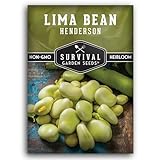
Dreaming of fresh, homegrown lima beans? The journey from seed to plate is a rewarding experience, and with a little know-how, you can cultivate a thriving crop in your own backyard. This guide will walk you through every step, from selecting the right variety to harvesting your delicious bounty. Learn how to plant lima bean seeds and unlock the secrets to a successful harvest.
Lima beans, also known as butter beans, are a versatile and nutritious addition to any garden. They are relatively easy to grow, making them a great choice for both novice and experienced gardeners. The key to success lies in understanding their specific needs and providing the right conditions for growth. Get ready to enjoy the satisfaction of harvesting your own fresh lima beans!
Choosing the Right Lima Bean Variety
Before you even think about planting, selecting the right lima bean variety for your climate and preferences is crucial. Different varieties offer varying maturity times, pod sizes, and growth habits. Consider your local growing season and the amount of space you have available.
Bush vs. Pole Lima Beans
Lima beans are broadly categorized into two types: bush and pole varieties. Bush beans grow compactly, reaching a height of about 2-3 feet, and are ideal for smaller gardens or container gardening. Pole beans, on the other hand, are vining plants that can grow up to 10 feet long and require support, such as a trellis or poles. Pole beans often have a longer harvest period.
Bush beans tend to produce their crop all at once, which is great if you want a large harvest for canning or freezing. Pole beans offer a more extended harvest, providing fresh beans over several weeks. The choice depends on your space and harvesting preferences.
Popular Lima Bean Varieties
Here are some popular lima bean varieties to consider:
- Fordhook 242: A bush variety known for its large, thick, and flavorful beans. It’s a reliable and productive choice.
- Henderson Bush: Another popular bush variety, known for its early maturity and good yields.
- Christmas Lima: A pole variety with large, beautiful, red-and-white speckled beans. It’s a favorite for its unique appearance and flavor.
- King of the Garden: A pole variety that produces large, flavorful beans. It’s known for its high yields and is a good choice for areas with long growing seasons.
- Butterpea: A bush variety with smaller, sweeter beans.
Research these and other varieties to determine which best suit your needs. Check seed packets for information on days to maturity, plant size, and preferred growing conditions.
Preparing the Soil for Lima Beans
Proper soil preparation is essential for healthy lima bean growth. These plants thrive in well-drained soil that is rich in organic matter. Before planting, you’ll need to amend your soil to create the ideal environment for your lima bean seeds.
Soil Testing and Amendment
Conducting a soil test is highly recommended. This will provide you with valuable information about your soil’s pH level and nutrient content. Lima beans prefer a slightly acidic to neutral pH, ideally between 6.0 and 7.0. The test will also reveal any nutrient deficiencies that need to be addressed.
Based on your soil test results, you can amend the soil. Incorporating organic matter, such as compost, well-rotted manure, or leaf mold, is the most beneficial step. Organic matter improves soil structure, drainage, and water retention, and it also provides essential nutrients.
If your soil is compacted, consider adding coarse sand or other materials to improve drainage. For heavy clay soils, incorporating gypsum can help to break up the clay particles and improve aeration.
Sunlight and Location
Lima beans need at least six to eight hours of direct sunlight per day to thrive. Choose a planting location that receives ample sunlight. The area should also have good air circulation to reduce the risk of fungal diseases. (See Also: How to Plant Bamboo in Minecraft: A Comprehensive Guide)
Consider the proximity to other plants. Avoid planting lima beans near onions, garlic, or fennel, as these plants can inhibit their growth. Companion planting, such as with corn or marigolds, can be beneficial.
Planting Lima Bean Seeds
Once you’ve selected your variety and prepared your soil, it’s time to plant your lima bean seeds. Timing and planting depth are key to successful germination and growth.
Timing Your Planting
The best time to plant lima bean seeds is after the danger of frost has passed and the soil has warmed up to at least 60°F (15°C). Lima beans are sensitive to cold temperatures and will not germinate well in cold soil. Consult your local frost dates to determine the optimal planting time for your area.
Generally, planting can begin in late spring or early summer, depending on your climate. For a continuous harvest, you can stagger your planting by sowing seeds every two to three weeks.
Planting Depth and Spacing
Plant lima bean seeds about 1-2 inches deep. Planting them too shallowly can make them vulnerable to drying out, while planting them too deep can hinder germination. The spacing between plants will depend on the variety you’ve chosen.
For bush beans, space the seeds about 4-6 inches apart in rows that are 18-24 inches apart. For pole beans, plant seeds about 6-8 inches apart at the base of your trellis or poles. If you’re using a trellis, space the rows about 3 feet apart to allow for easy access for harvesting and maintenance.
Sowing the Seeds
To sow the seeds, use a trowel or your finger to create small holes at the appropriate depth and spacing. Place 2-3 seeds in each hole to increase your chances of successful germination. Cover the seeds gently with soil and lightly tamp down the soil to ensure good contact with the seed.
Water the newly planted seeds gently but thoroughly to moisten the soil. Avoid overwatering, which can lead to seed rot. Keep the soil consistently moist but not waterlogged until the seedlings emerge.
Caring for Your Lima Bean Plants
Once your lima bean seedlings emerge, providing proper care is essential for their growth and productivity. This includes watering, fertilizing, weeding, and providing support for pole beans.
Watering
Lima beans need consistent moisture, especially during flowering and pod development. Water your plants deeply and regularly, especially during dry periods. Avoid overhead watering, which can promote fungal diseases. Water at the base of the plants to keep the foliage dry.
Check the soil moisture regularly by sticking your finger about an inch into the soil. If the soil feels dry, it’s time to water. Mulching around the plants can help to retain moisture and suppress weeds. (See Also: Planting Thyme: How Far Apart to Plant Thyme for Success)
Fertilizing
Lima beans are relatively light feeders and don’t require excessive fertilization. However, a soil test will tell you if your soil is deficient in nutrients. Amend your soil before planting. A balanced fertilizer can be applied. Avoid over-fertilizing, which can lead to excessive foliage growth at the expense of bean production.
A side dressing of compost or well-rotted manure can be applied when the plants begin to flower. Avoid fertilizing with high-nitrogen fertilizers, as this can encourage leaf growth over bean production.
Weeding
Weeds compete with lima bean plants for water, nutrients, and sunlight. Regularly weed your garden bed to keep your plants healthy and productive. Hand-pull weeds or use a hoe to remove them. Mulching around the plants can also help to suppress weed growth.
Supporting Pole Beans
If you’re growing pole beans, providing adequate support is essential. Use a trellis, poles, or a teepee structure to support the vining plants. Ensure the support structure is sturdy enough to hold the weight of the plants and the developing beans.
As the pole beans grow, guide the vines up the support structure. Tie the vines loosely to the support with twine or other soft material. This will help to train the plants and provide them with the support they need to thrive.
Pest and Disease Management
Lima bean plants can be susceptible to certain pests and diseases. Regular monitoring and preventative measures can help to minimize problems. Early detection and treatment are key to preventing serious damage.
Common Pests
Here are some common pests that can affect lima beans:
- Bean Beetles: These small, reddish-brown beetles and their larvae can feed on the leaves, flowers, and pods. Hand-pick beetles and larvae, or use insecticidal soap.
- Aphids: These tiny, soft-bodied insects suck sap from the plants. Control them with insecticidal soap or a strong stream of water.
- Spider Mites: These tiny pests can cause stippling on the leaves. Increase humidity around the plants by watering regularly.
- Mexican Bean Beetles: These pests are similar to bean beetles but have yellow or orange bodies with black spots. Control them using the same methods as for bean beetles.
Common Diseases
Here are some common diseases that can affect lima beans:
- Rust: This fungal disease causes reddish-brown spots on the leaves. Improve air circulation, and remove and destroy infected leaves.
- Downy Mildew: This fungal disease causes yellow spots on the leaves. Avoid overhead watering and improve air circulation.
- Anthracnose: This fungal disease causes dark, sunken lesions on the pods and stems. Choose disease-resistant varieties, and practice crop rotation.
Regularly inspect your plants for signs of pests or diseases. Early detection and treatment can prevent problems from spreading. Use organic pest control methods whenever possible.
Harvesting Your Lima Beans
Harvesting lima beans at the right time is crucial for optimal flavor and texture. Knowing when to harvest will ensure you enjoy the best possible taste and a rewarding experience.
When to Harvest
The harvest time varies depending on the variety and the growing conditions. Generally, lima beans are ready to harvest when the pods are plump and the beans inside are well-developed but still tender. The pods should be firm and have a slight give when squeezed. Avoid harvesting pods that are overly mature, as the beans will become tough and starchy. (See Also: Easy Guide: How to Plant Pothos Cuttings for Thriving Plants)
For bush beans, harvest frequently, usually every few days, to encourage continued production. For pole beans, you’ll have a longer harvest period, but regular picking is still essential. The beans are generally ready 60-90 days after planting, depending on the variety.
Harvesting Techniques
Gently pull the pods from the plants, being careful not to damage the vines. For bush beans, grasp the pods firmly and pull them away from the plant. For pole beans, use both hands to support the vine while gently pulling the pods.
Harvest in the morning, when the plants are cool and the beans are at their peak flavor. Avoid harvesting during the heat of the day. After harvesting, shell the beans as soon as possible to preserve their freshness and flavor.
Storing Your Harvest
Lima beans can be stored fresh, frozen, or canned. If you plan to store them fresh, shell the beans and store them in the refrigerator in a sealed container for up to a week. For longer-term storage, freezing is an excellent option.
To freeze lima beans, blanch them in boiling water for a few minutes, then immediately transfer them to an ice bath to stop the cooking process. Drain the beans and freeze them on a baking sheet before transferring them to freezer bags or containers. Properly frozen lima beans can last for several months. Canning is also a viable option for preserving your harvest.
Troubleshooting Common Problems
Even with careful planning and care, you may encounter some challenges when growing lima beans. Here’s how to address some common problems.
Poor Germination
If your seeds don’t germinate, it could be due to several factors. Ensure the soil temperature is warm enough, at least 60°F (15°C). The soil may be too dry or too wet. Check the soil moisture and adjust your watering accordingly. Old seeds or seeds that haven’t been stored properly may also have a low germination rate. Consider buying fresh seeds from a reputable source.
Yellowing Leaves
Yellowing leaves can indicate several issues. Overwatering or underwatering can cause yellowing. Check the soil moisture and adjust your watering practices. Nutrient deficiencies, such as a lack of nitrogen or iron, can also cause yellowing. Conduct a soil test to identify any deficiencies and amend the soil accordingly. Pests and diseases can also cause yellowing; inspect the plants for signs of infestation or disease.
Low Bean Production
If your plants are not producing many beans, several factors could be at play. Insufficient sunlight can hinder bean production; ensure your plants receive at least six to eight hours of direct sunlight per day. Lack of pollination can also be an issue. Plant flowers that attract pollinators near your lima beans. Over-fertilization, especially with nitrogen, can lead to excessive foliage growth at the expense of bean production.
Here are some frequently asked questions about growing lima beans:
- How long does it take for lima beans to grow? The time it takes for lima beans to grow varies depending on the variety, but generally, it takes 60-90 days from planting to harvest.
- How much water do lima beans need? Lima beans need consistent moisture, especially during flowering and pod development. Water deeply and regularly, especially during dry periods.
- Can I grow lima beans in containers? Yes, bush lima beans are well-suited for container gardening. Choose a container that is at least 12 inches deep and wide.
- Do lima beans need fertilizer? Lima beans are relatively light feeders, but a soil test will tell you if your soil is deficient in nutrients. A balanced fertilizer can be applied, but avoid over-fertilizing.
- How do I prevent pests and diseases? Regular inspection, proper watering, good air circulation, and companion planting can help to prevent pests and diseases. Use organic pest control methods whenever possible.
Recommended Products