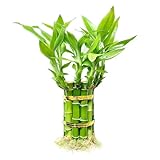
Bamboo, with its elegant stalks and lush foliage, brings a touch of the exotic to any space. However, achieving that thriving, verdant look requires understanding one crucial element: water. Proper watering is absolutely fundamental to the health and vitality of your bamboo plant, and the key to preventing common issues like yellowing leaves or stunted growth.
This comprehensive guide delves into the art and science of how to water a bamboo plant. We’ll explore the specific watering needs of different bamboo varieties, the best watering techniques, and how to identify and address common watering-related problems. Whether you’re a seasoned gardener or a complete beginner, this guide will equip you with the knowledge to cultivate healthy, flourishing bamboo.
Get ready to unlock the secrets to a vibrant bamboo plant that will transform your home or garden. By mastering the art of watering, you’ll be well on your way to enjoying the beauty and tranquility that bamboo provides. Let’s dive in and learn how to keep your bamboo happy and hydrated!
Understanding Bamboo’s Water Needs
Bamboo plants, although incredibly resilient, have specific water requirements that vary depending on the species, climate, and growing conditions. Understanding these needs is the first step toward successful bamboo cultivation. Different types of bamboo, like clumping and running varieties, have varying water demands. These needs are also affected by whether the bamboo is grown indoors or outdoors.
Key Factors Influencing Watering Frequency
Several factors influence how frequently you should water your bamboo. These include the type of bamboo, the climate, the potting mix (if grown in containers), and the plant’s age. Consider these variables to develop an effective watering schedule for your specific bamboo.
- Bamboo Species: Different bamboo species have different water needs. Some, like the running varieties, are more water-hungry than clumping types. Research the specific needs of your bamboo species.
- Climate: Hot and dry climates necessitate more frequent watering than cooler, humid environments. Monitor rainfall and adjust your watering schedule accordingly.
- Potting Mix: Well-draining potting mixes retain less water and require more frequent watering. Heavy, compacted soils hold water longer, increasing the risk of overwatering.
- Plant Age and Size: Younger bamboo plants need more consistent watering than mature plants. Larger plants with more leaves also transpire more water and require more frequent watering.
Types of Bamboo and Their General Watering Requirements
Bamboo is generally classified into two main types: clumping and running. Each type exhibits distinct growth habits and, consequently, different water needs. Knowing the type of bamboo you have is crucial for establishing an appropriate watering routine.
- Clumping Bamboo: These bamboos grow in tight clumps and are generally less invasive. They tend to have moderate water needs, preferring consistently moist soil but not waterlogged conditions. Allow the top inch or two of soil to dry out before watering.
- Running Bamboo: Running bamboo spreads aggressively through underground rhizomes. They are often more water-demanding, particularly during their active growing season. Ensure the soil remains consistently moist, especially in hot weather.
Indoor vs. Outdoor Bamboo: Different Needs
The environment in which your bamboo grows significantly influences its watering needs. Indoor bamboo plants typically require less frequent watering than outdoor plants due to lower light levels and reduced evaporation. Outdoor plants, exposed to the elements, may need more frequent watering, especially during hot and dry spells.
- Indoor Bamboo: Water less frequently, allowing the top inch of soil to dry out. Monitor for signs of overwatering, such as yellowing leaves. Ensure adequate drainage to prevent root rot.
- Outdoor Bamboo: Water more frequently, especially during dry periods. Consider the local climate and rainfall patterns. Mulching around the base of the plant can help retain moisture.
Best Practices for Watering Bamboo
Knowing when and how to water your bamboo is just as important as understanding its water needs. Employing the correct watering techniques will help you prevent both underwatering and overwatering, ensuring your bamboo thrives. Here are some of the best practices to follow.
Watering Frequency and Timing
The frequency of watering depends on the factors mentioned earlier, but generally, you should water when the top inch or two of soil feels dry to the touch. The best time to water bamboo is in the morning, which allows the plant to absorb water throughout the day and reduces the risk of fungal diseases. (See Also: Best Heinz Tomato Seeds for Your Garden – Top Picks)
- Check the Soil: Use your finger to check the moisture level of the soil. If the top inch is dry, it’s time to water.
- Morning Watering: Water in the morning to allow the plant to absorb water throughout the day. This also helps reduce the risk of fungal diseases.
- Seasonal Adjustments: Increase watering frequency during hot, dry periods and reduce it during cooler, wetter seasons.
Watering Techniques: How to Water a Bamboo Plant Effectively
The method you use to water your bamboo significantly impacts its health. Proper watering techniques ensure that the plant receives adequate hydration without causing waterlogging. Consider these methods to provide the best care.
- Deep Watering: Water deeply and thoroughly, ensuring the entire root ball is saturated. This encourages deep root growth and makes the plant more drought-tolerant.
- Slow Watering: Water slowly to allow the soil to absorb the water effectively. Avoid rapid watering, which can lead to water runoff.
- Water at the Base: Water at the base of the plant, avoiding wetting the leaves excessively. Wet leaves can increase the risk of fungal diseases.
Water Quality: The Importance of Clean Water
The quality of the water you use can affect your bamboo’s health. Using clean, filtered water, or even rainwater, is often preferable to tap water, especially if your tap water is heavily treated with chlorine or contains high levels of minerals.
- Avoid Chlorine: Chlorine can harm bamboo plants. If using tap water, let it sit for 24 hours to allow the chlorine to dissipate, or use a water filter.
- Rainwater: Rainwater is an excellent source of water for bamboo, as it is naturally soft and free of chemicals.
- Check pH: Bamboo prefers slightly acidic soil. Test your water’s pH and adjust if necessary.
Common Watering Mistakes and How to Avoid Them
Many issues that arise when growing bamboo plants are related to improper watering. Knowing the common mistakes and how to avoid them is vital to keeping your bamboo healthy and thriving. Overwatering and underwatering are the most common issues.
Overwatering: The Risks and Solutions
Overwatering is one of the most detrimental mistakes a bamboo owner can make. It can lead to root rot, which is a serious condition that can kill the plant. Recognizing the signs of overwatering is crucial.
- Symptoms of Overwatering: Yellowing leaves, wilting, stunted growth, and a foul odor from the soil are all signs of overwatering.
- Preventative Measures: Ensure the soil drains well. Water only when the top inch or two of soil is dry. Use a well-draining potting mix.
- Corrective Actions: If you suspect overwatering, reduce watering immediately. Allow the soil to dry out. Consider repotting the plant with fresh, well-draining soil if the problem persists.
Underwatering: The Signs and Remedies
Underwatering can also cause significant damage to your bamboo, leading to stress and reduced growth. Recognizing the signs of underwatering and acting promptly can help revive your plant.
- Symptoms of Underwatering: Curling or drooping leaves, dry and brittle leaves, and slow growth are signs of underwatering.
- Preventative Measures: Check the soil moisture regularly. Water deeply and thoroughly when the soil is dry.
- Corrective Actions: Water the plant thoroughly and consistently. Consider mulching around the base to help retain moisture. Monitor the plant for improvement.
Other Common Watering-Related Issues
Beyond overwatering and underwatering, other watering-related issues can affect your bamboo. These include mineral buildup in the soil and improper drainage. Addressing these issues promptly is vital to maintaining your plant’s health.
- Mineral Buildup: This can occur from using tap water with high mineral content. Symptoms include a white crust on the soil surface and stunted growth. Flush the soil regularly with clean water and consider using filtered or rainwater.
- Poor Drainage: This can lead to waterlogging and root rot. Ensure your pot has drainage holes, or improve the soil drainage in your garden.
Troubleshooting Bamboo Watering Problems
Even with the best care, problems can arise. Understanding how to diagnose and address common watering-related issues is crucial. This section provides a troubleshooting guide to help you identify and resolve problems.
Diagnosing Leaf Problems Related to Watering
Leaves often provide the first clues to watering problems. Different leaf symptoms can indicate overwatering, underwatering, or other issues. Recognizing these symptoms can help you take corrective action. (See Also: Expert Guide: How to Prune a Schefflera Plant for Growth)
- Yellowing Leaves: Often a sign of overwatering, but can also be caused by nutrient deficiencies. Check the soil moisture and drainage.
- Curling or Drooping Leaves: Usually a sign of underwatering. Water the plant thoroughly.
- Brown Leaf Tips: Can be caused by underwatering, low humidity, or mineral buildup. Adjust watering and consider increasing humidity.
- Leaf Drop: This can be a sign of stress from either overwatering or underwatering. Assess the soil moisture and adjust your watering accordingly.
Addressing Root Rot
Root rot is a serious condition caused by overwatering. It can kill your bamboo if left untreated. Early detection and prompt action are crucial.
- Identifying Root Rot: Signs include yellowing leaves, wilting, stunted growth, and a foul odor from the soil. Check the roots for a mushy, brown appearance.
- Treatment: Remove the affected plant from the pot. Trim away any diseased roots. Repot the plant in fresh, well-draining soil. Reduce watering frequency.
- Prevention: Ensure proper drainage, avoid overwatering, and use a well-draining potting mix.
Dealing with Stunted Growth
Stunted growth can be caused by various factors, including improper watering. Addressing the underlying cause is crucial to promoting healthy growth.
- Causes of Stunted Growth: Overwatering, underwatering, nutrient deficiencies, and poor soil conditions can all contribute to stunted growth.
- Solutions: Assess the soil moisture and adjust watering accordingly. Ensure adequate drainage. Fertilize the plant with a balanced fertilizer. Improve the soil quality.
Advanced Watering Techniques for Optimal Bamboo Health
Once you’ve mastered the basics, you can explore advanced techniques to optimize your bamboo’s health and growth. These techniques can help you achieve even better results and enjoy a thriving bamboo plant.
Mulching: Retaining Moisture and Protecting Roots
Mulching is a beneficial practice that helps retain moisture in the soil, protects the roots, and suppresses weeds. Applying mulch around your bamboo can significantly improve its health and growth.
- Benefits of Mulching: Reduces water evaporation, suppresses weeds, regulates soil temperature, and adds organic matter to the soil.
- Best Mulch Materials: Use organic mulches such as wood chips, shredded bark, or compost.
- Application: Apply a 2-4 inch layer of mulch around the base of the plant, keeping it away from the stalks to prevent rot.
Using Irrigation Systems for Bamboo
For larger bamboo plantings or in areas with consistent water needs, irrigation systems can be a convenient and effective way to water your bamboo. Drip irrigation systems are particularly well-suited for bamboo.
- Types of Irrigation Systems: Drip irrigation, soaker hoses, and sprinkler systems can all be used. Drip irrigation is the most efficient.
- Advantages of Irrigation: Provides consistent watering, reduces water waste, and saves time and effort.
- Considerations: Ensure the system provides adequate water for your bamboo’s needs. Monitor the system for clogs and leaks.
Monitoring and Adjusting Your Watering Schedule
Regular monitoring and adjustments are key to successful bamboo watering. Observe your plant’s response to your watering routine and make adjustments as needed. This will ensure your bamboo receives the optimal amount of water.
- Regular Observation: Regularly check the soil moisture, observe the leaves, and monitor the plant’s overall health.
- Seasonal Adjustments: Adjust your watering schedule based on the season, climate, and rainfall patterns.
- Record Keeping: Keep a record of your watering schedule and any changes you make. This can help you identify patterns and optimize your watering routine.
Frequently Asked Questions About Watering Bamboo
Here are some frequently asked questions about watering bamboo, providing even more clarity and practical advice.
How Often Should I Water My Bamboo?
The frequency of watering depends on the bamboo species, climate, and growing conditions. Generally, water when the top inch or two of soil feels dry. During hot and dry periods, you may need to water more frequently, perhaps every other day or even daily. During cooler, wetter seasons, you can reduce watering frequency. (See Also: How to Make a Milkshake Without a Blender: Delicious Recipes)
Can I Overwater My Bamboo?
Yes, overwatering is a common problem. Overwatering can lead to root rot, which is a serious condition that can kill your bamboo. Signs of overwatering include yellowing leaves, wilting, and stunted growth. Ensure good drainage and water only when the soil is dry to the touch.
What Kind of Water Is Best for Bamboo?
Clean, filtered water or rainwater is best for bamboo. Tap water can be used, but it’s best to let it sit for 24 hours to allow the chlorine to dissipate. Avoid using water with high mineral content, as it can cause mineral buildup in the soil.
How Do I Know If My Bamboo Needs Water?
Check the soil moisture by inserting your finger into the soil. If the top inch or two feels dry, it’s time to water. Also, observe the leaves. Curling or drooping leaves can indicate underwatering, while yellowing leaves can indicate overwatering.
Can I Water My Bamboo with Tap Water?
Yes, you can water your bamboo with tap water, but it’s best to let it sit for 24 hours to allow the chlorine to dissipate. Alternatively, you can use a water filter to remove chlorine and other impurities. Rainwater is a great choice as well.
Should I Water Bamboo in the Winter?
Yes, you should still water your bamboo in the winter, but less frequently. The frequency of watering depends on the climate and whether the plant is indoors or outdoors. Allow the soil to dry out more between waterings during the winter months. Monitor the soil moisture and adjust your watering schedule accordingly.
Conclusion: Mastering the Art of Bamboo Hydration
Learning how to water a bamboo plant effectively is fundamental to its health and beauty. By understanding its specific needs and implementing the correct techniques, you can ensure that your bamboo thrives. Remember to monitor your plant, adjust your watering schedule as needed, and address any problems promptly. With consistent care, your bamboo will reward you with its graceful presence and lush foliage. Embrace the journey and enjoy the tranquility that a thriving bamboo brings to your space.
Recommended Products