Are your plants struggling? Yellowing leaves, stunted growth, and poor yields can all be signs that something’s amiss in your garden. Often, the culprit isn’t a pest or disease, but the pH level of your soil. The pH, which measures how acidic or alkaline your soil is, plays a critical role in nutrient availability. Don’t worry, figuring out how to test the pH of your soil is easier than you think!
Knowing your soil’s pH allows you to make informed decisions about amending it, ensuring your plants can thrive. Whether you’re a seasoned gardener or just starting out, understanding this crucial aspect of soil health is key to a flourishing garden. We’ll explore the different methods for testing, what those numbers mean, and how to adjust your soil’s pH to create the perfect growing environment for your plants.
In this guide, we’ll walk you through everything you need to know about testing your soil’s pH, step by step. Let’s get started!
What Is Soil Ph and Why Does It Matter?
Soil pH is a measure of the acidity or alkalinity of your soil. It’s measured on a scale of 0 to 14, with 7 being neutral. Values below 7 indicate acidity, while values above 7 indicate alkalinity (also called basicity). Most plants prefer a slightly acidic to neutral soil, generally in the range of 6.0 to 7.0.
Why is pH so important? It directly affects the availability of essential nutrients. Nutrients are the building blocks for plant growth, and if the pH is too high or too low, the nutrients become locked up in the soil, making them unavailable to the plants, even if they’re present. Think of it like this: your plants need the right key (pH) to unlock the nutrients they need to grow strong and healthy.
Different plants have different pH preferences. Blueberries, for example, thrive in very acidic soil (around 4.5-5.5), while many vegetables prefer a slightly acidic to neutral range. Understanding your plants’ needs and testing your soil’s pH is the first step towards ensuring they receive the nutrients they need.
The Impact of Ph on Nutrient Availability
Let’s delve a little deeper into how pH affects nutrient availability. The following table illustrates how different nutrients are affected by varying pH levels. This is a simplified view, but it highlights the general trends.
| Nutrient | Optimum pH Range | Effect of High pH (Alkaline) | Effect of Low pH (Acidic) |
|---|---|---|---|
| Nitrogen (N) | 6.0 – 8.0 | Reduced availability due to microbial activity being slowed | Can leach out, reduced availability |
| Phosphorus (P) | 6.0 – 7.0 | Insoluble compounds form, reducing availability | Becomes less available, can form insoluble compounds |
| Potassium (K) | 6.0 – 9.0 | Usually not a significant issue | Can leach out |
| Calcium (Ca) | 6.0 – 7.5 | Usually not a significant issue | May be deficient in very acidic soils |
| Magnesium (Mg) | 6.0 – 7.5 | May be deficient | May be deficient |
| Iron (Fe) | 5.0 – 6.5 | Becomes unavailable | May become toxic at very low pH |
| Manganese (Mn) | 5.0 – 6.5 | Becomes unavailable | May become toxic at very low pH |
| Boron (B) | 5.0 – 7.0 | Reduced availability | Usually not a significant issue |
| Copper (Cu) | 5.0 – 7.5 | Becomes unavailable | May become toxic at very low pH |
| Zinc (Zn) | 5.0 – 7.0 | Becomes unavailable | May become toxic at very low pH |
As you can see, maintaining the correct pH is crucial for ensuring that your plants can access all the nutrients they need to flourish.
Methods for Testing Soil Ph
There are several ways you can test the pH of your soil. The best method for you will depend on your budget, how precise you need the results to be, and how often you plan on testing. Here are the most common methods: (See Also: How to Prepare Soil for Blueberry Plants: The Ultimate Guide to Success)
1. Using a Soil Ph Meter
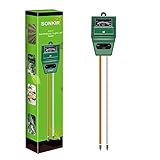
Soil pH meters are a popular choice for home gardeners because they’re relatively inexpensive and easy to use. They typically have a probe that you insert directly into the soil. The meter then provides a digital reading of the pH level. These are great for quick, on-the-spot testing.
- Choose a Meter: Select a pH meter designed for soil testing. Some meters also measure moisture and light levels.
- Prepare the Soil: Clear away any surface debris like leaves or mulch. The soil should be slightly moist, but not saturated. Water the soil a day before testing if it’s dry.
- Insert the Probe: Insert the probe of the meter into the soil to the recommended depth, usually several inches. Avoid hitting rocks or roots.
- Wait for the Reading: Wait for the meter to stabilize and display a reading. This usually takes a few seconds to a minute.
- Record the Results: Note the pH reading. Compare it to the ideal range for your plants.
- Clean the Probe: After each use, clean the probe with water and a soft cloth. This helps maintain accuracy.
Pros: Easy to use, relatively inexpensive, provides instant results.
Cons: Can be less accurate than other methods, meters may need calibration, probe can be damaged by rocks.
2. Using Soil Test Kits (chemical Tests)
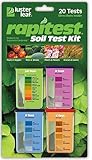
Soil test kits provide a chemical method for determining pH. These kits usually involve mixing a soil sample with a chemical solution, and then observing a color change that indicates the pH level. These are generally more accurate than the simple pH meters.
- Collect a Soil Sample: Collect a sample from several different areas of your garden, about 4-6 inches deep. Remove any rocks or debris.
- Prepare the Sample: Follow the instructions on your specific kit. This usually involves mixing the soil with distilled water and a chemical reagent.
- Observe the Reaction: Watch for a color change in the solution. Each kit has a color chart that corresponds to different pH levels.
- Compare the Color: Compare the color of your solution to the chart provided in the kit to determine your soil’s pH.
- Record the Results: Note the pH reading. Use the results to guide your soil amendment plan.
Pros: More accurate than simple pH meters, relatively inexpensive, easy to follow instructions.
Cons: Results may take a few minutes, requires mixing chemicals, can be less precise than professional lab tests.
3. Sending Soil Samples to a Laboratory
For the most accurate and comprehensive results, consider sending your soil samples to a soil testing laboratory. These labs use sophisticated equipment and provide detailed reports on the pH level, nutrient levels, and other important soil characteristics. This is the gold standard for soil testing.
- Collect a Representative Sample: Collect soil samples from several locations in your garden, mixing them together to create a composite sample. Follow the lab’s instructions for sample collection, which often involves specific depths and amounts.
- Prepare the Sample: Remove any large debris and let the soil air dry if the lab requires it.
- Package and Ship: Follow the lab’s instructions for packaging and shipping your sample. They will usually provide a form to fill out with information about your garden and the plants you are growing.
- Receive the Report: The lab will send you a detailed report with the pH level, nutrient levels, and recommendations for soil amendments.
- Interpret the Results: Use the report to understand your soil’s composition and to plan your soil amendments.
Pros: Most accurate results, provides detailed information on nutrient levels, offers specific recommendations.
Cons: Most expensive method, requires mailing samples, turnaround time can be several days or weeks.
How to Collect a Representative Soil Sample
Regardless of which testing method you choose, a good soil sample is crucial for accurate results. Here’s how to collect a representative sample:
- Choose Multiple Locations: Take samples from several different areas of your garden, especially if you have different types of plants or if you suspect variations in soil conditions.
- Dig to the Correct Depth: The depth you sample from depends on the type of plants you are growing. For lawns and annuals, sample to a depth of 4-6 inches. For established trees and shrubs, sample to a depth of 6-12 inches.
- Use a Clean Tool: Use a trowel, spade, or soil probe to collect your samples. Make sure the tool is clean to avoid contamination.
- Mix the Samples: Combine the samples from different locations in a clean bucket or container. Mix them thoroughly to create a composite sample.
- Remove Debris: Remove any rocks, roots, or other debris from the sample.
- Air Dry (If Required): Some labs require you to air dry the soil sample before sending it in. Follow the lab’s instructions.
Interpreting Your Soil Ph Test Results
Once you’ve tested your soil, you’ll need to interpret the results. Here’s a general guide: (See Also: How to Prepare Soil for Dahlias: The Ultimate Guide to Bountiful Blooms!)
- pH below 6.0: Your soil is too acidic. You may need to add lime to raise the pH.
- pH between 6.0 and 7.0: Your soil is ideal for most plants.
- pH above 7.0: Your soil is too alkaline. You may need to add sulfur or other acidifying agents to lower the pH.
Remember that different plants have different pH preferences. Always research the specific needs of the plants you are growing. The soil test report from a lab will usually provide detailed recommendations based on your soil’s pH and nutrient levels.
Amending Your Soil to Adjust Ph
If your soil’s pH is not in the desired range, you can amend it to make it more suitable for your plants. Here’s how to adjust your soil’s pH:
Raising Soil Ph (making It Less Acidic)
If your soil is too acidic, you can add lime. Lime is a general term that refers to calcium carbonate (calcitic lime) or a combination of calcium carbonate and magnesium carbonate (dolomitic lime). It neutralizes soil acidity by releasing alkaline compounds. The amount of lime needed depends on your soil’s pH and texture (sandy soils require less lime than clay soils). You can also use wood ash, which is a source of potassium and also raises pH, though use caution as it can easily make soil too alkaline.
- Test Your Soil: Before adding lime, always test your soil to determine the current pH.
- Calculate the Amount: Based on your soil test results and the type of lime you are using, calculate the amount of lime needed. Your soil test report or local extension office can provide specific recommendations.
- Apply the Lime: Spread the lime evenly over the soil surface.
- Incorporate the Lime: Till or cultivate the lime into the soil to a depth of 6-8 inches. This helps the lime react with the soil and raise the pH more effectively.
- Water the Soil: Water the soil thoroughly after applying lime.
- Retest: Retest your soil after a few weeks to ensure the pH has reached the desired level. It may take several months for the full effect of the lime to be realized.
Lowering Soil Ph (making It More Acidic)
If your soil is too alkaline, you can add sulfur or acidifying organic matter. Sulfur reacts with soil to form sulfuric acid, which lowers the pH. Elemental sulfur is slow-acting and works best, but it needs to be oxidized by soil bacteria to become effective, so it may take several months for the pH to change. Acidifying organic matter, such as peat moss or composted pine needles, can also help to lower the pH, but the effect is generally less dramatic and more gradual. Acidifying fertilizers, such as ammonium sulfate, can also provide a small amount of pH adjustment over time.
- Test Your Soil: Test your soil’s pH before applying any amendments.
- Determine the Amount: Based on your soil test results, determine the amount of sulfur or acidifying organic matter needed. Your soil test report or local extension office can provide specific recommendations.
- Apply the Amendment: Spread the sulfur or organic matter evenly over the soil surface.
- Incorporate the Amendment: Till or cultivate the amendment into the soil to a depth of 6-8 inches.
- Water the Soil: Water the soil thoroughly after applying the amendment.
- Retest: Retest your soil after a few months to monitor the pH change. It may take some time for the pH to lower significantly.
Frequently Asked Questions About Soil Ph Testing
Here are some of the most common questions about soil pH testing:
How Often Should I Test My Soil Ph?
It’s generally a good idea to test your soil pH at least once a year, or more frequently if you are experiencing problems with your plants. The frequency of testing depends on several factors, including the type of plants you are growing, the soil type, and the climate. If you have amended your soil, retesting after a few months is recommended to ensure the pH has adjusted as expected.
Can I Test My Soil Ph with Vinegar or Baking Soda?
There are some very basic home tests that utilize vinegar and baking soda to give you a very rough idea if your soil is acidic or alkaline. However, these tests are not very accurate, and we do not recommend them. More reliable methods, such as those described above, should be used for accurate pH measurements.
What Is the Best Time of Year to Test Soil Ph?
You can test your soil pH at any time of year, but it’s often best to test in the spring or fall. This allows you time to make any necessary amendments before the growing season begins or after the harvest. Avoid testing when the soil is frozen or waterlogged, as this can affect the accuracy of the results. (See Also: How Does Soil Erosion Affect Us? Impacts & Solutions)
Can I Test Soil Ph in a Container Garden?
Yes, you can test the pH of soil in container gardens using the same methods as for in-ground gardens. However, because container gardens are often more prone to pH fluctuations due to watering and fertilization, it’s particularly important to test your container soil regularly. Be sure to collect a sample from several areas in the pot, as the pH can vary.
What Does It Mean If My Soil Ph Is Off?
If your soil pH is outside the ideal range for your plants, it can affect nutrient availability, leading to stunted growth, yellowing leaves, and reduced yields. Correcting the pH is essential for healthy plant growth. The proper pH allows the plants to uptake the nutrients needed.
What Is the Ideal Ph for a Vegetable Garden?
Most vegetables thrive in a slightly acidic to neutral pH range, typically between 6.0 and 7.0. However, some vegetables have specific pH preferences. For example, potatoes prefer a slightly more acidic soil, while spinach prefers a slightly more alkaline soil. Research the specific needs of the vegetables you are growing.
Where Can I Get My Soil Tested Professionally?
You can find soil testing labs through your local cooperative extension office or by searching online for soil testing services in your area. Many universities also offer soil testing services.
Tips for Accurate Soil Ph Testing
- Follow Instructions Carefully: Always read and follow the instructions provided with your soil testing kit or meter.
- Use Distilled Water: When preparing your soil sample, use distilled water to avoid introducing any contaminants that could affect the pH reading.
- Test in Multiple Locations: Test your soil in several different areas of your garden to get a more accurate overall picture.
- Take Multiple Readings: If using a soil pH meter, take several readings in the same area to ensure consistency.
- Calibrate Your Meter: If using a soil pH meter, calibrate it regularly according to the manufacturer’s instructions.
- Keep Records: Keep a record of your soil pH test results, along with the date and location of the test. This will help you monitor changes in your soil’s pH over time.
- Consider Soil Texture: Different soil textures (sandy, loamy, clay) will react differently to amendments. Consider your soil’s texture when interpreting results.
Final Verdict
Testing the pH of your soil is a fundamental step in successful gardening. By understanding the pH level, you can ensure your plants receive the nutrients they need to thrive. Whether you choose a simple pH meter, a chemical test kit, or professional lab analysis, the knowledge gained from testing will empower you to adjust your soil for optimal plant health and abundant harvests. Make the investment in a soil test, and watch your garden flourish!
Recommended Products