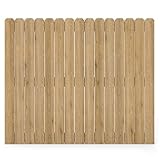
Dreaming of a beautiful, private yard? A wood fence can transform your outdoor space, adding both aesthetic appeal and security. But the thought of installing one might seem daunting. Don’t worry, we’re here to guide you. This isn’t just a guide; it’s your personal how-to for mastering the art of putting up wood fence panels.
We’ll break down every step, from planning and gathering materials to the final touches. Whether you’re a seasoned DIYer or a complete beginner, this guide is designed to make the process straightforward and satisfying. Get ready to build that fence and enjoy your newly enclosed haven!
Planning Your Wood Fence Project
Before you even think about swinging a hammer, proper planning is essential. This stage sets the foundation for a successful and long-lasting fence. Let’s get started with the crucial planning steps.
1. Define Your Needs and Goals
What do you want your fence to achieve? Is it primarily for privacy, containing pets, defining property lines, or enhancing curb appeal? Your answers will influence the height, style, and materials you choose. Also, consider local regulations. Many areas have restrictions on fence height, material, and placement. Check with your local building department or homeowners association (HOA) before you start. They can provide specific guidelines and required permits.
2. Measure and Map Your Property
Accurate measurements are paramount. Use a measuring tape to determine the total length of the fence you need. Walk your property lines, noting any obstacles like trees, underground utilities, or existing structures that could impact your fence installation. Sketch a basic layout of your yard, marking the fence line, gates, and any significant features. This visual aid will be invaluable during the installation process.
3. Choose Your Fence Style and Materials
Wood fence panels come in various styles. Consider these popular options:
- Solid Panel Fences: Offer maximum privacy and are great for noise reduction. They’re typically made of overlapping boards, creating a solid barrier.
- Picket Fences: Classic and charming, picket fences are ideal for defining boundaries without completely blocking the view.
- Lattice Fences: Provide a decorative touch and allow some airflow and visibility. They’re often used as accent features.
- Shadowbox Fences: Offer privacy while allowing some wind to pass through. Boards are alternately placed on each side of the fence frame.
Material selection is also critical. Common choices include:
- Pressure-Treated Pine: Affordable, readily available, and resistant to rot and insects. It’s a popular choice for its durability.
- Cedar: Naturally resistant to decay and offers a beautiful, warm appearance. It’s often more expensive than pressure-treated pine.
- Redwood: Similar to cedar in appearance and durability, redwood is known for its rich color.
- Composite Wood: Made from recycled materials, composite wood is low-maintenance and resistant to weathering but can be more costly.
4. Estimate Materials and Budget
Once you’ve chosen your style and materials, calculate the quantity you’ll need. This includes:
- Fence Panels: Determine the number of panels based on your fence length and panel width.
- Fence Posts: Calculate the number of posts based on the panel width and the recommended spacing (typically 8 feet on center).
- Fasteners: Screws, nails, or staples, depending on the panel type and your preference.
- Gate Hardware: Hinges, latches, and possibly a gate post.
- Concrete: For setting the posts.
- Tools: Ensure you have all the necessary tools (more on this below).
Create a detailed budget. Factor in the cost of materials, tools (if you don’t already have them), and any potential labor costs if you plan to hire help for certain steps. It’s always a good idea to add a contingency fund (around 10-15%) to account for unexpected expenses.
5. Gather Your Tools and Safety Gear
Having the right tools makes the job easier and safer. Here’s a list of essential tools:
- Post Hole Digger or Power Auger: For digging post holes.
- Level: To ensure the posts and fence are straight.
- Measuring Tape: For accurate measurements.
- String and Stakes: To mark the fence line.
- Shovel: For mixing concrete and backfilling holes.
- Wheelbarrow or Mixing Tub: For mixing concrete.
- Hammer or Drill/Driver: For attaching panels to posts.
- Circular Saw or Hand Saw: For cutting posts and panels.
- Safety Glasses: To protect your eyes.
- Work Gloves: To protect your hands.
- Hearing Protection: Especially if using power tools.
- Work Boots: For foot protection.
People Also Ask (planning Phase)
Q: What are the most common fence heights?
A: Common fence heights range from 4 feet to 6 feet, with 6 feet being the most common for privacy. However, local regulations often dictate maximum heights.
Q: How far apart should fence posts be?
A: Typically, fence posts are spaced 8 feet apart on center. This spacing allows for standard-sized fence panels and provides adequate support. Check the manufacturer’s recommendations for your specific panels.
Q: Do I need a permit to build a fence?
A: Yes, it’s very likely. Check with your local building department to determine permit requirements. Failure to obtain a permit can result in fines and the need to remove the fence. (See Also: Fence Post Spacing: How Far to Space Fence Posts for Optimal Results?)
Step-by-Step Guide: Installing Your Wood Fence Panels
Now that you’ve done the prep work, let’s get down to the actual installation. Follow these steps for a successful wood fence panel installation.
1. Mark the Fence Line
Use string and stakes to clearly mark the exact location of your fence. Stretch the string taut along the desired path of the fence. Ensure the string is straight and follows your property lines. Use a level to ensure the string is level, particularly if the ground has uneven terrain. Adjust the string as needed to account for any changes in elevation or obstacles.
2. Dig Post Holes
Dig post holes using a post hole digger or power auger. The depth of the holes should be at least one-third the height of the post above ground. For example, if you’re using 6-foot posts, the holes should be at least 2 feet deep. The diameter of the holes should be wide enough to accommodate the post and allow for concrete to be poured around it (typically 6-12 inches). Space the holes according to the panel width and the recommended spacing (usually 8 feet on center). Place the posts at the corners and at each end of a straight run first. Then, fill in the remaining posts.
3. Set the Fence Posts
Insert the posts into the holes. Use a level to ensure each post is plumb (perfectly vertical) in both directions. Brace the posts temporarily with scrap wood or stakes to keep them in position while the concrete sets. Mix the concrete according to the manufacturer’s instructions. Pour the concrete into the holes, surrounding each post. Use a trowel or shovel to smooth the concrete surface. Allow the concrete to cure completely (typically 24-72 hours) before proceeding with the next steps. Remove the temporary bracing once the concrete has set.
4. Attach the Fence Panels
Once the concrete is fully cured, it’s time to attach the fence panels. Position the first panel between two posts, ensuring it’s level. Use screws or nails (depending on your preference and panel type) to attach the panel to the posts. Make sure the fasteners are the correct length to penetrate the panel and the post without going all the way through. Check the level of the panel again before securing it permanently. Repeat this process for each panel, ensuring proper alignment and spacing between panels (if applicable). Use a level frequently to maintain a straight and consistent line.
5. Install Gates (if Applicable)
If your fence includes a gate, now is the time to install it. Attach the gate hinges to the gate and the gate post. Ensure the gate swings freely and aligns properly with the latch. Install the latch and any other hardware, such as a gate handle or lock. Make any necessary adjustments to ensure the gate operates smoothly.
6. Add Finishing Touches
Once all the panels and gates are installed, add finishing touches. Inspect the fence for any gaps or imperfections. Fill any holes with wood filler and sand them smooth. Apply a sealant or stain to protect the wood from the elements and enhance its appearance. Clean up any debris from the installation, and you’re done! Now you can enjoy your new beautiful wood fence.
People Also Ask (installation Phase)
Q: What type of concrete should I use for fence posts?
A: Use a concrete mix designed for setting posts. This type of concrete typically contains gravel and is formulated to provide strong support. Quick-setting concrete mixes are also available, which can speed up the process.
Q: How do I ensure my fence is level on a sloped yard?
A: For a sloped yard, you can either “step” the fence (following the slope in sections) or “rack” the fence (following the slope with the top of the fence parallel to the ground). Stepping is often easier and provides a more consistent look. Racking requires more precise measurements and cutting.
Q: What’s the best way to cut wood fence panels?
A: A circular saw is the best tool for cutting wood fence panels. Make sure to use a blade designed for wood. Measure twice, cut once to avoid mistakes.
Maintenance and Longevity of Your Wood Fence
Your work doesn’t stop with the installation. Proper maintenance is key to preserving your wood fence and extending its lifespan. Here’s a guide to keep your fence looking its best for years to come.
1. Regular Inspections
Inspect your fence regularly, at least twice a year, for any signs of damage. Look for: (See Also: How Much Is an Invisible Fence? Costs, Factors & Buying Guide)
- Rot: Check for soft or spongy wood, especially near the ground.
- Insect damage: Look for holes, sawdust, or other signs of insect activity.
- Loose panels or posts: Check for any movement or instability.
- Cracks or splinters: Address these issues promptly to prevent further damage.
- Weathering: Note any fading or discoloration.
Addressing minor issues early can prevent them from becoming major problems later on.
2. Cleaning Your Wood Fence
Clean your fence periodically to remove dirt, mildew, and other debris. You can use:
- Water and mild soap: For general cleaning.
- A pressure washer: For more stubborn dirt and grime (use with caution, as high pressure can damage the wood).
- Mildew cleaner: To remove mildew.
Always rinse the fence thoroughly after cleaning.
3. Sealing and Staining
Apply a sealant or stain to protect the wood from the elements. This will:
- Prevent moisture absorption: Reducing the risk of rot and warping.
- Protect against UV rays: Preventing fading and discoloration.
- Enhance the appearance: Adding a beautiful finish to the wood.
Reapply sealant or stain every 2-3 years, or as needed, depending on the product and your climate. Follow the manufacturer’s instructions for application.
4. Addressing Common Issues
Here are some common fence issues and how to address them:
- Rot: Replace the affected panel or post.
- Insect damage: Treat the affected area with an insecticide. Consider replacing the damaged wood.
- Loose posts: If the post is still sound, you can reinforce it by adding more concrete. If it’s severely damaged, replace it.
- Warping: If the warping is minor, you might be able to straighten the panel with screws. For severe warping, replace the panel.
5. Protecting Your Fence From the Elements
Beyond sealing and staining, take these steps to protect your fence:
- Trim vegetation: Keep grass and other vegetation trimmed away from the base of the fence to prevent moisture buildup.
- Ensure proper drainage: Make sure water drains away from the fence to prevent rot.
- Repair damage promptly: Don’t let small issues turn into bigger problems.
People Also Ask (maintenance Phase)
Q: How often should I stain my wood fence?
A: The frequency of staining depends on the stain type and your climate. Typically, you should stain every 2-3 years, or when you notice the finish fading or wearing away.
Q: Can I paint a wood fence instead of staining it?
A: Yes, you can paint a wood fence. However, paint may require more frequent maintenance than stain. Choose an exterior-grade paint specifically designed for wood.
Q: How do I remove mold and mildew from my wood fence?
A: Use a commercial mildew cleaner, following the manufacturer’s instructions. You may need to scrub the affected areas with a brush. Rinse thoroughly with water after cleaning.
Troubleshooting Common Fence Problems
Even with careful planning and installation, you might encounter some issues. Here’s how to troubleshoot some common fence problems.
1. Leaning Posts
If your posts are leaning, it’s often due to inadequate concrete support. Here’s what to do: (See Also: How to Dig Out Concrete Fence Posts: A Step-by-Step Guide)
- Minor leaning: You might be able to straighten the post and add more concrete to reinforce it.
- Severe leaning: You’ll likely need to remove the post, dig out the old concrete, and reset the post with fresh concrete.
- Check for underground issues: Make sure there are no underground utilities or large rocks that are affecting the post’s stability.
2. Sagging Panels
Sagging panels can be caused by various factors:
- Improper support: Ensure the panels are securely attached to the posts.
- Warping: If the wood has warped, you may need to replace the panel.
- Excessive weight: If you’ve added heavy decorations to the fence, it could cause sagging.
Adding a horizontal support beam can sometimes help to prevent sagging, especially on longer panels.
3. Gaps Between Panels
Gaps between panels can reduce privacy and security.
- Incorrect spacing: Ensure the panels are installed with the correct spacing (if any) according to the manufacturer’s instructions.
- Wood shrinkage: Wood can shrink and expand with changes in humidity. Some gaps are inevitable.
- Repairing gaps: You can fill small gaps with caulk or wood filler. For larger gaps, you may need to add additional boards or panels.
4. Gate Issues
Gate problems can be frustrating.
- Sagging gates: Adjust the hinges or add a diagonal support brace.
- Sticking gates: Check for obstructions or rubbing. Lubricate hinges and latches.
- Latch problems: Adjust or replace the latch.
Regular maintenance of the gate hardware can prevent many common gate issues.
5. Weather Damage
Weather can take a toll on your fence.
- Wind damage: Inspect your fence after strong winds for any loose or damaged panels.
- Water damage: Ensure proper drainage to prevent water damage. Repair any leaks or damage promptly.
- Sun damage: Apply a sealant or stain with UV protection to protect your fence from the sun’s rays.
People Also Ask (troubleshooting Phase)
Q: What can I do about a rotting fence post?
A: The best solution is to replace the rotting post. Dig out the old post and concrete, set a new post in fresh concrete, and allow it to cure properly. Consider using pressure-treated wood to prevent future rot.
Q: How do I fix a gate that won’t close properly?
A: Check the hinges for alignment and lubrication. Adjust the latch to ensure it catches properly. You might need to add a shim or adjust the gate post to get the alignment just right.
Q: How can I prevent my fence from warping?
A: Use high-quality wood, apply a sealant or stain to protect it from moisture, and ensure proper drainage around the base of the fence. Consider using thicker boards or a different wood type if warping is a persistent problem in your area.
Verdict
Building a wood fence panel is a rewarding project that significantly enhances your property’s value and aesthetics. With careful planning, proper execution, and regular maintenance, your fence will provide years of enjoyment and security. Following these steps and tips, you can confidently take on this DIY project and create a beautiful, private outdoor space that you’ll be proud of. Get building!
Recommended Products