So, you’re wondering, how much to charge to paint a fence? It’s a common question, whether you’re a homeowner looking to hire someone or a budding painter trying to figure out your rates. The cost of painting a fence isn’t a one-size-fits-all answer, unfortunately. It’s a complex equation involving several variables.
We’ll break down all the factors influencing fence painting prices, from materials and labor to the size and condition of the fence. This guide will help you understand how to price your fence painting project accurately, whether you’re a homeowner or a professional painter. We’ll also cover essential tips to ensure a smooth and successful painting experience.
Ultimately, the price depends on the scope of the project and the level of service you require. Let’s get started and find out how to determine a fair price!
Understanding Fence Painting Costs: Key Components
Before diving into the specifics of how much to charge, it’s crucial to understand the different components that make up the total cost of a fence painting project. These factors influence the price, whether you’re doing it yourself or hiring a professional.
1. Materials
The type and quantity of materials needed significantly impact the overall cost. This includes:
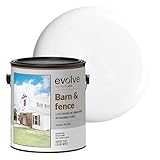
- Paint: The largest expense. The price varies widely based on paint type (e.g., oil-based, latex, stain), quality, brand, and the amount needed. Consider the fence’s surface (wood, vinyl, etc.) when choosing paint. High-quality exterior paints offer better durability and weather resistance, but they cost more.
- Primer: Essential for wood fences, primer seals the wood, provides a uniform surface for the paint, and improves adhesion.
- Stain: For a stained finish, consider the type of stain. Solid stains provide more color and coverage, while semi-transparent stains allow the wood grain to show through.
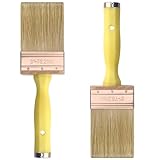
- Tools: Brushes, rollers, paint sprayers (rentals or purchases), drop cloths, tape, sandpaper, scrapers, and cleaning supplies.
- Wood Filler/Putty: For filling holes or cracks.
- Other Supplies: Cleaning solutions, wood preservatives (if applicable), safety equipment (gloves, masks, eye protection).
2. Labor
Labor costs are often the most significant part of the overall price, especially if you’re hiring a professional. The labor cost depends on:
- Preparation: This includes cleaning the fence, removing old paint or stain, repairing any damage, sanding, and applying primer.
- Painting: Applying the paint or stain, which can involve multiple coats.
- Cleanup: Removing drop cloths, cleaning tools, and disposing of waste.
- Experience and Skill of the Painter: Experienced painters typically charge more due to their efficiency and quality of work.
- Hourly Rate or Project-Based Pricing: Painters can charge hourly or provide a fixed price for the entire project.
3. Fence Size and Complexity
The size of your fence directly affects the amount of paint and time required. Other considerations include:
- Linear Feet: The total length of the fence is a primary factor.
- Height: Taller fences require more paint and labor.
- Surface Area: More complex fence designs (e.g., intricate patterns, multiple sections) take longer to paint.
- Accessibility: Difficult-to-reach areas (e.g., fences near bushes, uneven terrain) increase labor time.
4. Fence Condition
The existing condition of the fence impacts preparation time and material needs.
- Existing Paint/Stain: Removing old paint or stain adds to the labor costs.
- Damage: Repairing rotted wood, replacing broken pickets, or filling cracks increases the cost.
- Cleanliness: A dirty or moldy fence requires thorough cleaning before painting.
5. Location
Geographic location plays a role, too. Labor costs and material prices fluctuate based on the region. Consider:
- Cost of Living: Higher cost of living areas typically have higher labor rates.
- Competition: More competition among painters might lead to lower prices.
- Availability of Materials: Remote areas might have higher material costs due to transportation.
6. Additional Considerations
- Permits: Some municipalities require permits for painting fences, which can add to the overall cost.
- Insurance: Professional painters should have liability insurance to protect against accidents or damage. This cost is factored into their pricing.
- Warranty: Some painters offer warranties on their work, which can increase the price but provides peace of mind.
How Much Does It Cost to Paint a Fence? A Breakdown
Now that we’ve covered the factors influencing the price, let’s explore some estimated costs. It’s important to remember that these are general figures, and the actual cost can vary significantly based on the factors discussed above.
Diy Fence Painting Costs
Painting a fence yourself can save you money, but it requires time, effort, and some basic skills. Here’s an approximate breakdown of the costs for a DIY project:
- Paint: $20 – $80+ per gallon (depending on quality and type). You’ll need to calculate the amount of paint needed based on the fence’s surface area and the number of coats. A gallon typically covers 250-400 sq ft.
- Primer: $15 – $50 per gallon (if needed).
- Tools: $50 – $200+ (brushes, rollers, drop cloths, sandpaper, etc.). You might already have some of these tools.
- Other Supplies: $20 – $50 (cleaning solutions, tape, etc.).
- Total Estimated Cost: $105 – $380+ (depending on the size of the fence and the quality of materials). This does not include your time, which is considerable.
Hiring a Professional: Average Costs
Hiring a professional painter is the most common approach. Here’s a breakdown of the typical costs: (See Also: How to Build a Redwood Fence: Your Ultimate Guide for a Stunning Backyard)
- Hourly Rate: $25 – $75+ per hour (depending on location, experience, and project complexity).
- Per Linear Foot: $5 – $25+ per linear foot (this is often the most straightforward way to estimate costs). This includes prep, paint, and cleanup.
- Project-Based Pricing: This is a fixed price for the entire project, which can range from $300 to $5000+ depending on the factors listed above.
- Factors Affecting Professional Costs:
- Fence Length and Height: Longer and taller fences will cost more.
- Condition: More prep work will increase the cost.
- Complexity: Intricate designs increase the cost.
- Paint Type: Higher-quality paints cost more.
- Example Scenarios:
- Small Fence (50-100 linear feet): $250 – $2500+
- Medium Fence (100-200 linear feet): $500 – $5000+
- Large Fence (200+ linear feet): $1000 – $5000+
Detailed Cost Breakdown: Examples
Let’s look at some examples to illustrate how different factors can affect the overall cost.
Example 1: Small Wooden Privacy Fence (100 Linear Feet)
- DIY: $250 – $450 (paint, primer, tools, and supplies).
- Professional: $500 – $2500 (labor, materials, and potential for additional services). Assuming $5-25/linear foot.
- Assumptions:
- The fence is in relatively good condition.
- The homeowner chooses a standard exterior paint.
- The painter charges an average rate for the area.
Example 2: Medium-Sized Chain-Link Fence (150 Linear Feet)
- DIY: $150 – $350 (specialty paint for metal, tools). Chain link requires a specific type of paint.
- Professional: $750 – $3750 (labor, materials). Chain link fence painting is often priced higher due to the difficulty.
- Assumptions:
- The chain-link fence is in good condition.
- The homeowner chooses a paint designed for metal.
Example 3: Large Wooden Fence with Significant Damage (250 Linear Feet)
- DIY: $400 – $700+ (paint, primer, wood filler, tools).
- Professional: $1250 – $6250+ (labor, extensive repairs, premium paint).
- Assumptions:
- The fence requires significant repair work (e.g., replacing pickets, filling cracks).
- The homeowner chooses a high-quality, durable paint.
- The painter needs additional time for repairs.
How to Estimate the Cost of Painting Your Fence
Here’s a step-by-step guide to estimating the cost of painting your fence:
- Measure the Fence: Measure the total linear feet of your fence. Also, measure the height. This is crucial for calculating the surface area.
- Assess the Condition: Inspect the fence for damage, old paint, mold, and general cleanliness. Determine how much preparation work will be required.
- Choose Your Paint: Decide on the type and quality of paint you want. Research the cost of different paints and stains.
- Get Quotes from Professionals: Contact multiple painting contractors and request quotes. Provide them with the measurements, condition assessment, and your paint preference.
- Compare Quotes: Compare the quotes, considering the labor costs, materials, and any additional services offered. Don’t always choose the cheapest option; consider the painter’s experience, reviews, and warranty.
- Factor in DIY Costs: If you’re doing it yourself, calculate the cost of paint, primer, tools, and other supplies. Don’t forget to factor in your time.
- Consider the Location: Research the average painting costs in your area. This will help you determine if the quotes you receive are reasonable.
Tips for Saving Money on Fence Painting
While painting a fence can be a significant investment, here are some tips to help you save money:
- Do Some of the Prep Work Yourself: Cleaning the fence, scraping loose paint, and filling small cracks can save you on labor costs.
- Choose a Less Expensive Paint: While quality is important, you can still save money by choosing a paint that fits your budget. Consider paint sales and promotions.
- Get Multiple Quotes: Don’t settle for the first quote you receive. Compare prices from different painters.
- Negotiate: Don’t be afraid to negotiate with painters, especially if you have multiple quotes.
- Consider DIY for Smaller Projects: If you have a small fence, painting it yourself might be a cost-effective option.
- Maintain Your Fence: Regular cleaning and minor repairs can extend the life of your fence and reduce the need for more extensive painting in the future.
- Buy Materials in Bulk: If you have a large fence, buying paint and other materials in bulk can often save you money.
Frequently Asked Questions (faqs)
Here are some of the most common questions people ask about fence painting:
Q: How long does it take to paint a fence?
A: The time depends on the size of the fence, the condition, and the number of coats. A small fence might take a day or two, while a large fence could take several days or even a week or more.
Q: What is the best type of paint for a fence?
A: For wood fences, exterior latex paint or oil-based paint is generally recommended. For metal fences, use paint specifically designed for metal surfaces. The best choice also depends on the climate and your desired finish.
Q: How often should I paint my fence?
A: The frequency depends on the paint type, the climate, and the fence’s exposure to the elements. Generally, you should repaint your fence every 5-10 years, or when the paint starts to show signs of wear and tear.
Q: Can I paint a fence myself? (See Also: How Tall Deer Fence? The Ultimate Guide to Protecting Your Garden!)
A: Yes, you can paint a fence yourself. However, it requires time, effort, and some basic skills. Make sure you have the necessary tools and safety equipment.
Q: What is the best time of year to paint a fence?
A: The best time to paint a fence is during the spring or fall when the weather is mild and dry. Avoid painting in extreme heat or cold.
Q: Do I need to prime my fence before painting?
A: Yes, priming is generally recommended for wood fences. Primer seals the wood, provides a uniform surface for the paint, and improves adhesion. Always check the paint manufacturer’s recommendations.
Q: How do I prepare a fence for painting?
A: Preparation involves cleaning the fence, removing old paint or stain, repairing any damage, sanding the surface, and applying primer (if necessary).
Q: What is the difference between paint and stain for fences?
A: Paint provides a solid color and fully covers the wood, while stain penetrates the wood and allows the grain to show through. Stain offers a more natural look and is often easier to apply. Solid stains offer more color and coverage than semi-transparent stains.
People Also Ask
Here are some related questions that people frequently search for:
Q: How much does it cost to stain a fence? (See Also: How to Set Up Electric Fence for Horses: A Complete Guide)
A: Staining a fence is generally slightly less expensive than painting, as stain typically requires fewer coats. The cost depends on the size of the fence, the type of stain, and the labor costs. Expect to pay slightly less per linear foot compared to painting costs.
Q: How to paint a fence?
A: The process typically involves these steps: 1. Cleaning the fence. 2. Repairing any damage. 3. Sanding the surface (if needed). 4. Applying primer (if using paint). 5. Applying the first coat of paint or stain. 6. Allowing it to dry. 7. Applying a second coat (if needed). 8. Cleaning up. Proper preparation is key to a long-lasting finish.
Q: What kind of paint to use on a fence?
A: For wood fences, exterior latex or oil-based paints are common. The best choice depends on your climate, desired finish, and budget. For metal fences, use paint specifically designed for metal surfaces. Always choose paints rated for exterior use and the specific material of your fence.
Q: How to clean a wooden fence before painting?
A: Start by removing any loose debris. Use a brush or power washer (at a low setting) to remove dirt, mildew, and grime. Consider using a wood cleaner or a mixture of water and bleach (test in an inconspicuous area first) to kill mold and mildew. Rinse thoroughly and allow the fence to dry completely before painting or staining.
- How to Find a Break in Invisible Fence: Troubleshooting & Repair Guide
- How to Check Voltage on Electric Fence with Multimeter: A Step-by-Step Guide
- Boho Plant Classroom Decor: Create a Stylish & Inspiring Space
- Best Plant Pots & Stands: Find Your Perfect Match!
- Best Plant Clay Pots: Reviews & Buying Guide
Final Verdict
Determining how much to charge to paint a fence involves careful consideration of several factors. From material costs and labor rates to the fence’s size, condition, and location, each element contributes to the overall price. By understanding these variables and following the estimation steps, you can accurately price your fence painting project, whether you’re a homeowner or a professional painter. Remember to get multiple quotes, compare options, and choose the solution that best fits your needs and budget. Good luck!
Recommended Products