So, you’re setting up a fence to keep your cows in (or other animals out), and you’re wondering: how many volts is a cow fence? It’s a crucial question, because the effectiveness and safety of your electric fence hinge on it. Get it wrong, and you’ll have escaped cattle, frustrated neighbors, and potentially injured animals. We’re here to break down the voltage requirements, ensuring your fence does its job without causing unnecessary harm.
Electric fences provide a psychological barrier, not a physical one. A well-designed fence delivers a sharp, memorable shock that animals quickly learn to avoid. But the key is finding the right balance between effectiveness and safety. Too little voltage, and the animals will walk right through. Too much, and you risk causing injury or even legal issues. Let’s delve into the details.
Understanding Electric Fences
Before we get into the specifics of voltage, let’s clarify what an electric fence actually is. An electric fence is a system designed to deter animals from crossing a boundary. It works by delivering a brief, high-voltage pulse of electricity when an animal touches the fence. This pulse, or shock, is designed to be unpleasant but not lethal.
Components of an Electric Fence
- Energizer (Fence Charger): This is the heart of the system. It converts low-voltage AC power (from the mains or a battery) into high-voltage, low-amperage pulses. The energizer is what determines the voltage of the fence.
- Fence Wire: This is the conductive material (usually steel wire, polywire, or polytape) that carries the electric pulse.
- Insulators: These are used to prevent the electric current from shorting out to the fence posts or the ground.
- Grounding System: A crucial component that provides a return path for the electricity back to the energizer. Without a good ground, the fence won’t work effectively.
- Fence Posts: These support the fence wire and keep it at the desired height.
How Electric Fences Work
The energizer sends out pulses of electricity through the fence wire. When an animal touches the wire, it completes the circuit, and the electricity flows through the animal’s body back to the ground. The animal feels a shock, and hopefully, learns to avoid the fence. The key here is the voltage (the electrical pressure) and the amperage (the amount of electrical current). High voltage is needed to overcome the animal’s resistance, while low amperage is crucial to prevent serious injury.
The Ideal Voltage for a Cow Fence
So, back to the big question: how many volts is a cow fence supposed to be? Generally speaking, a cow fence should deliver a minimum of 4,000 volts under load (when an animal touches the fence). However, aiming for a higher voltage, around 5,000 to 7,000 volts, is often recommended for optimal effectiveness, especially if you have long fence lines, dry soil conditions, or are dealing with particularly stubborn animals. The voltage you need will depend on several factors, including:
- The animal you are containing/excluding: Cows are relatively easy to contain compared to goats, which are notorious fence-testers.
- The length of your fence: Longer fences require more powerful energizers to maintain adequate voltage throughout the entire length.
- Vegetation on the fence line: Weeds and grass touching the fence wire can drain the voltage and reduce effectiveness.
- Soil conditions: Dry soil is a poor conductor of electricity, so a stronger energizer or a more extensive grounding system may be needed.
- Wildlife pressure: If you’re also trying to keep out predators like coyotes or wolves, a higher voltage may be necessary.
Voltage Under Load vs. Open Circuit Voltage
It’s important to understand the difference between open circuit voltage and voltage under load. Open circuit voltage is the voltage the energizer produces when nothing is touching the fence. Voltage under load is the voltage measured when an animal (or something else) is touching the fence and completing the circuit. A good energizer will maintain a reasonably high voltage under load, even when the fence is touched. Lower-quality energizers may experience a significant voltage drop under load.
Checking the Voltage
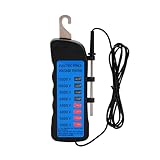
You’ll need a fence voltage tester to measure the voltage. These are readily available at farm supply stores and online. Simply touch the tester’s probe to the fence wire and the ground wire to the ground rod to get a reading. Make sure to check the voltage at multiple points along your fence line to identify any potential issues.
Factors Affecting Fence Voltage
Several factors can influence the voltage of your electric fence: (See Also: How to Stop Your Neighbour’s Dog Barking at the Fence: A Complete Guide)
1. The Energizer
The energizer is the most critical factor. Choose an energizer that is appropriately sized for the length of your fence and the type of animals you are managing. Always read the manufacturer’s specifications. If you’re unsure, it’s better to err on the side of a more powerful energizer.
2. Fence Wire Type and Condition
The type of fence wire you use can affect voltage. Steel wire is a good conductor, but it can rust over time, reducing its effectiveness. Polywire and polytape are also options, but they may have higher resistance than steel wire, especially over long distances. Inspect your fence wire regularly for damage, breaks, and corrosion.
3. Insulators
Insulators are essential for preventing shorts. Poor-quality or damaged insulators can allow the current to leak to the fence posts or the ground, reducing the voltage. Replace any damaged insulators immediately.
4. Grounding System
A good grounding system is crucial. The grounding rods must be driven deep into the soil and connected to the energizer with a grounding wire. The number of grounding rods required depends on the size of the energizer and the soil conditions. In dry conditions, you may need more grounding rods and may need to water the area around them to improve conductivity. A minimum of three 8-foot ground rods spaced 10 feet apart is generally recommended.
5. Vegetation Control
Weeds and grass touching the fence wire can drain the voltage and reduce the effectiveness of the fence. Regularly clear vegetation from the fence line by mowing, weed-eating, or using herbicides (follow all safety precautions when using herbicides). Consider using a fence line clearing tool to make this task easier.
6. Weather Conditions
Dry weather can reduce the conductivity of the soil, making it more difficult to maintain adequate voltage. In dry conditions, you may need to add more grounding rods or use a more powerful energizer. Also, check for any broken or damaged components after storms.
Safety Considerations
Electric fences can be dangerous if not installed and maintained properly. Here are some safety tips: (See Also: How to Refinish a Fence: A Step-by-Step Guide for Stunning Results)
- Never touch the fence wire with your bare hands. The shock can be painful and, in rare cases, cause serious injury.
- Use caution when working around the fence. Wear gloves and insulated tools.
- Keep children and pets away from the fence. Explain the dangers of electric fences to children.
- Clearly mark the fence with warning signs. This is especially important if the fence is near public areas.
- Regularly inspect the fence for damage. Repair any damage immediately.
- Disconnect the energizer before working on the fence. Always unplug the energizer before making any repairs.
- Use a fence voltage tester to check the voltage regularly. This will help you identify any potential problems.
- Consider using a fence monitor. Some energizers have built-in fence monitors that alert you to any voltage drops or other issues.
- Follow all local regulations and guidelines. Some areas may have specific rules about electric fence construction and use.
Troubleshooting Common Fence Problems
Here are some common problems that can affect fence voltage and how to troubleshoot them:
- Low voltage: Check for vegetation touching the fence wire, faulty insulators, a poor grounding system, a weak energizer, or a break in the wire.
- Fence not working: Check the energizer’s power source (mains, battery). Check the ground system. Check the fence wire for breaks or shorts.
- Energizer not pulsing: Check the energizer’s power source. Check the ground system. Check the fence wire for breaks or shorts. The energizer itself may be faulty.
- Animals escaping: Increase the voltage. Improve the grounding system. Clear vegetation from the fence line. Consider using a different type of fence wire.
Frequently Asked Questions (people Also Ask)
How Many Volts Is Safe for an Electric Fence?
For a cow fence, the voltage should be high enough to deter animals (ideally 4,000-7,000 volts under load) but the amperage must be low enough to prevent serious injury. The pulse duration is also very short, minimizing the risk. However, it’s always best to err on the side of caution and follow safety guidelines.
Can an Electric Fence Kill a Cow?
While electric fences are designed to be unpleasant, not lethal, there’s always a small risk of harm. The risk increases with higher amperage and/or poor fence design. If an animal has a pre-existing health condition, or if the fence is poorly maintained, the risk can be higher. Proper installation and maintenance are key to minimizing risks.
What Is the Minimum Voltage for an Electric Fence?
The minimum voltage depends on the animal and conditions, but generally, 4,000 volts under load is considered a minimum for cow fences. However, higher voltages (5,000-7,000 volts) often provide more reliable performance.
How Do You Test an Electric Fence?
You test an electric fence using a fence voltage tester. Touch the probe to the fence wire and the ground wire to the ground rod. The tester will display the voltage. Check the voltage at multiple points along the fence line.
How Far Can an Electric Fence Go?
The distance an electric fence can cover depends on the energizer’s power output, the type of wire, the presence of vegetation, and the soil conditions. Energizers are rated by the length of the fence they can power (in miles/kilometers). Consider the total length of your fence and choose an appropriate energizer.
Do Electric Fences Hurt Cows?
The shock from an electric fence is designed to be unpleasant, not to cause lasting harm. Cows usually experience a startling sensation that they quickly learn to avoid. The brief pulse of electricity is not intended to cause significant pain or injury. Proper fence design and maintenance are essential. (See Also: How to Build a Table Saw Fence System: Ultimate Guide for Precision)
How Many Joules Do I Need for an Electric Fence?
Joules measure the energy output of an energizer. The required joules depend on the fence length and the animals you are containing/excluding. For a typical cow fence, you might need an energizer rated for 1-5 joules of output energy, but this varies based on the size of the area and the vegetation.
How Do I Increase the Voltage on My Electric Fence?
To increase the voltage, you’ll need a more powerful energizer. You can also improve the grounding system, clear vegetation from the fence line, and use a better-quality fence wire to help maximize the voltage delivered.
What Gauge Wire Is Used for Electric Fence?
Various gauges of wire are used, with 17-gauge steel wire being common. Polywire and polytape have different specifications. The wire gauge affects the conductivity and strength of the fence. Choose the gauge appropriate for your fence type and animal.
What Is a Good Ground for an Electric Fence?
A good ground for an electric fence consists of several 8-foot ground rods driven deep into the earth and connected to the energizer. The number of rods needed depends on the energizer’s power and the soil conditions. Keep the ground rods a minimum of 10 feet apart.
Can I Use Regular Wire for an Electric Fence?
While you can use regular wire, it’s not ideal. Electric fence wire is specifically designed to conduct electricity efficiently and withstand the elements. Regular wire might rust quickly, have a lower conductivity, and be less durable. Using proper electric fence wire is always recommended.
How Often Should I Check My Electric Fence?
You should check your electric fence regularly, ideally at least once a day, especially during periods of heavy rain or high vegetation growth. Also, inspect your fence after storms. Use a fence voltage tester to check the voltage and look for any breaks, shorts, or other problems.
Final Verdict
the answer to how many volts is a cow fence is not a simple number, but rather a range. Aim for a voltage between 4,000 and 7,000 volts under load, ensuring the energizer you choose is appropriate for your fence length and the animals you’re containing. Remember to prioritize safety, maintain the fence regularly, and always use a fence voltage tester to monitor performance. A well-designed and maintained electric fence is a valuable tool for effective livestock management.
Recommended Products