Are you a fan of fresh herbs, especially the vibrant, flavorful parsley? Do you find yourself buying bunches from the store, wishing you could just snip some from your own garden? Well, you’re in luck! Growing parsley is easier than you think, and the key to a thriving, productive parsley plant lies in knowing how to prune parsley plant.
Pruning isn’t just about shaping your plant; it’s a vital practice that encourages healthy growth and maximizes your harvest. By understanding the proper techniques and timing, you can enjoy fresh parsley throughout the growing season. This comprehensive guide will walk you through everything you need to know, from the tools you’ll need to the best pruning methods.
Get ready to transform your parsley plants from straggly to stunning! Discover the secrets to cultivating lush, flavorful parsley and unlock the joy of fresh herbs at your fingertips. Let’s delve into the art of pruning and cultivate a garden bursting with culinary delights.
Why Prune Parsley? The Benefits Explained
Pruning parsley isn’t just about aesthetics; it’s a fundamental practice that greatly benefits the plant. Understanding the ‘why’ behind pruning is crucial for effective gardening. It’s not just about a tidy appearance; it’s about promoting health, productivity, and longevity.
Regular pruning encourages denser, bushier growth. This results in more foliage, which translates to a larger harvest of fresh parsley leaves for your culinary adventures. It also improves air circulation around the plant, reducing the risk of fungal diseases, which thrive in humid conditions.
Moreover, pruning can extend the life of your parsley plants. By removing old or spent growth, you stimulate new growth and prevent the plant from becoming overly stressed. This means you can enjoy fresh parsley from your garden for a longer period. Pruning also helps manage the plant’s energy, directing it toward producing more leaves rather than setting seeds prematurely.
Promoting Healthy Growth and Abundance
The primary goal of pruning parsley is to promote healthy growth. By selectively removing parts of the plant, you encourage the plant to direct its energy towards producing new, vigorous growth. This leads to a plant that is more resilient to pests and diseases and capable of producing a larger yield.
Pruning also helps to maintain the plant’s overall shape and prevent it from becoming leggy or overgrown. This is especially important for parsley, which can quickly become untidy if left unpruned. A well-pruned parsley plant is not only more productive but also more aesthetically pleasing in your garden or herb container.
Preventing Disease and Pests
Pruning plays a significant role in preventing diseases and pest infestations. By removing dead or diseased leaves, you eliminate potential breeding grounds for pathogens and pests. This helps to keep your parsley plants healthy and vigorous. Proper air circulation, facilitated by pruning, also reduces the humidity around the plant, making it less susceptible to fungal diseases.
Regular inspection and pruning can also help you identify and address any problems early on. This can save your plants from being significantly damaged. Pruning is thus a proactive approach to maintaining a healthy and productive parsley patch.
Essential Tools for Pruning Parsley
Having the right tools is essential for any gardening task, and pruning parsley is no exception. Using the proper equipment will make the job easier, more efficient, and safer for both you and your plants. Here’s a rundown of the essential tools you’ll need.
Investing in quality tools will also ensure that they last longer, providing you with years of reliable service. Safety is also a key factor; using the right tools reduces the risk of injury to yourself and the plants. Let’s explore the essential tools for a successful pruning experience.
Hand Pruners (secateurs)
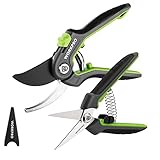
Hand pruners, also known as secateurs, are the most essential tool for pruning parsley. These are small, handheld shears designed for making clean cuts on stems and leaves. Look for bypass pruners, which have a scissor-like action, as they provide a cleaner cut than anvil pruners. This is especially important for parsley, as clean cuts promote faster healing and reduce the risk of disease.
Choose pruners with comfortable handles and sharp blades. Stainless steel blades are a good option as they resist rust. Make sure the pruners fit well in your hand and are easy to maneuver. Regular cleaning and sharpening of your hand pruners will keep them in top condition and ensure precise cuts.
Gardening Gloves
Gardening gloves are a must-have for protecting your hands from thorns, dirt, and potential irritants. They also provide a better grip on your tools, making pruning easier and safer. Choose gloves that fit well and are made from a breathable material to prevent your hands from sweating.
Consider gloves with reinforced fingertips for added durability. Wash your gardening gloves regularly to remove dirt and debris. This will keep them clean and prevent the spread of diseases. They are a simple yet essential tool for comfort and hygiene while pruning. (See Also: Aloe Vera Watering Guide: How Often You Water Your Plant)
Optional Tools: Garden Scissors
While hand pruners are the primary tool, garden scissors can be helpful for more delicate tasks. They are particularly useful for harvesting parsley leaves and trimming small stems. Scissors offer greater precision, especially when working in tight spaces.
Look for scissors with sharp, pointed blades for easy access to parsley leaves. Clean the blades after each use to prevent the spread of diseases. Garden scissors are a useful addition to your toolkit. They offer versatility and precision when pruning and harvesting parsley.
Step-by-Step Guide: How to Prune Parsley
Now that you have the right tools, it’s time to learn the proper techniques for pruning your parsley. Following these steps will help you to prune your parsley plants effectively, encouraging healthy growth and a bountiful harvest. Pruning is a skill that improves with practice, so don’t be afraid to experiment and learn as you go.
Remember to always make clean cuts and avoid damaging the main stem. Proper pruning techniques will ensure that your parsley plants remain healthy, productive, and a delight to harvest. Let’s get started with the step-by-step guide.
When to Prune: Timing Is Key
The best time to prune parsley is during the growing season, typically from spring to fall. This allows the plant to quickly recover and produce new growth. Avoid pruning heavily during the winter months when the plant’s growth slows down.
Regular pruning, every few weeks, is ideal for maintaining a healthy and productive plant. Prune in the morning to allow the cuts to dry throughout the day. This reduces the risk of fungal diseases. Avoid pruning on very hot days or when rain is expected.
Identifying and Removing Old or Yellowing Stems
Begin by inspecting your parsley plants and identifying any old, yellowing, or dead stems. These are the ones that need to be removed first. These stems are no longer productive and can harbor diseases. Removing them will improve the overall health and appearance of your plants.
Using your hand pruners or garden scissors, cut the stems at the base, as close to the soil as possible. This encourages new growth from the base of the plant. Dispose of the removed stems properly, away from your parsley plants, to prevent the spread of potential diseases or pests.
Harvesting Leaves: The Pruning Technique
Parsley leaves are best harvested by cutting the outer stems first. This allows the inner stems to continue growing and producing new leaves. Cut the stems at the base, just above the soil line. Avoid cutting too many stems at once, especially if the plant is young.
Harvesting regularly encourages new growth and prevents the plant from bolting (producing flowers and seeds). Aim to harvest about one-third of the plant at a time. This ensures that the plant continues to thrive. You can either use the harvested leaves immediately or store them for later use.
Shaping and Thinning the Plant
As your parsley plant grows, it may become crowded. Thinning the plant helps to improve air circulation and prevent diseases. Remove any stems that are growing too close together or crossing each other. This will allow more light and air to reach the inner parts of the plant.
Shape the plant by selectively pruning stems to maintain a desired form. This can make the plant more visually appealing and easier to manage. Remember to always make clean cuts to promote healthy growth. This will ensure that your parsley plants remain healthy, productive, and beautiful.
Common Mistakes to Avoid When Pruning Parsley
Even experienced gardeners can make mistakes when pruning. Being aware of these common pitfalls will help you avoid them and ensure the health and productivity of your parsley plants. Avoiding these mistakes will lead to a healthier and more productive parsley garden.
Understanding these common mistakes is crucial for successful pruning. By avoiding these pitfalls, you can maximize your harvest and enjoy fresh parsley throughout the growing season. Let’s explore the common mistakes and how to avoid them.
Pruning Too Much at Once
One of the most common mistakes is pruning too much of the plant at once. Removing too many leaves can stress the plant and reduce its ability to produce new growth. This is especially true for young plants. Always prune conservatively, taking no more than one-third of the plant at a time. (See Also: How to Pinch Avocado Plant: A Step-by-Step Guide)
If you need a large quantity of parsley, harvest over several days, rather than removing it all at once. This allows the plant to recover and continue producing. Pruning in stages is a much safer practice. It will lead to healthier plants and sustained harvests.
Using Dull Tools
Using dull tools can cause damage to the plant and increase the risk of disease. Dull blades tear the stems instead of making clean cuts, creating open wounds that are susceptible to infection. Always ensure your tools are sharp and clean before pruning.
Regularly sharpen your hand pruners and garden scissors. Replace blades when they become too dull to sharpen effectively. Sharp tools ensure clean cuts, promoting faster healing and reducing the risk of diseases. This is important for the overall health of your plants.
Ignoring Diseased or Infested Stems
Failing to remove diseased or infested stems can lead to the spread of problems throughout the entire plant. Diseased stems can harbor pathogens that can infect healthy parts of the plant. Infested stems can provide a breeding ground for pests, which can multiply and attack the plant.
Inspect your parsley plants regularly for any signs of disease or pests. Remove any affected stems immediately. Discard them properly, away from your parsley plants. Early detection and removal are key to preventing the spread of problems and maintaining healthy plants.
Troubleshooting Common Pruning Issues
Even with the best intentions, you may encounter some challenges when pruning your parsley. Understanding how to troubleshoot these common issues will help you maintain healthy and productive plants. This will allow you to quickly address any problems and ensure a bountiful harvest.
These troubleshooting tips will help you overcome any obstacles you might face. These tips will help you maintain healthy and productive plants. Let’s delve into some common issues and their solutions.
My Parsley Is Yellowing After Pruning
Yellowing leaves after pruning can be a sign of stress. This can be caused by pruning too much at once, using dull tools, or improper watering. Ensure you haven’t pruned more than one-third of the plant. Check your tools for sharpness and make sure you are watering your parsley correctly.
Overwatering or underwatering can also cause yellowing. Check the soil moisture and adjust your watering schedule accordingly. Providing proper care is critical for your parsley’s recovery. Addressing these issues will help your parsley recover quickly.
My Parsley Isn’t Growing Back After Pruning
If your parsley isn’t growing back after pruning, it could be due to several reasons. The plant might be old or nearing the end of its life cycle. It could also be a sign of poor soil conditions or insufficient sunlight. Ensure your parsley plants receive adequate sunlight and that the soil is fertile.
Consider fertilizing your parsley with a balanced fertilizer. Make sure the plant is getting enough water. If the plant is old, consider starting new plants from seeds or cuttings. Addressing these issues will help your parsley thrive and produce new growth.
My Parsley Has Pests After Pruning
Pests can sometimes be attracted to weakened plants. After pruning, inspect your parsley for any signs of pests, such as aphids, spider mites, or whiteflies. Treat any infestations promptly with an appropriate organic pesticide or insecticidal soap.
Pruning itself can sometimes attract pests, so maintaining a clean garden is important. Clean up any fallen leaves or debris around your plants. This will help to reduce pest problems. Addressing these issues will help your parsley recover quickly and produce new growth.
Maintaining Your Parsley Plants: Beyond Pruning
Pruning is a crucial part of parsley care, but it’s not the only factor that influences the health and productivity of your plants. Providing proper care in other areas will complement your pruning efforts and ensure that your parsley thrives. These complementary practices will help your plants flourish.
By incorporating these practices into your routine, you can maximize your harvest and enjoy fresh parsley for an extended period. Let’s explore some other essential aspects of parsley care. (See Also: How to Get Gel Out of Aloe Plant: A Complete Guide)
Watering and Fertilizing
Parsley needs consistent moisture to thrive, but it’s important not to overwater. Water your parsley plants regularly, especially during dry periods. Check the soil moisture before watering and water deeply when the top inch of soil feels dry.
Fertilize your parsley plants every few weeks with a balanced fertilizer or a fertilizer high in nitrogen. Follow the instructions on the fertilizer package carefully. Proper watering and fertilizing contribute significantly to the overall health and productivity of your parsley plants.
Sunlight and Soil Requirements
Parsley thrives in full sun, but it can tolerate partial shade. Choose a location that receives at least six hours of sunlight per day. Parsley prefers well-drained soil that is rich in organic matter. Amend your soil with compost or other organic materials before planting.
Regularly check the soil moisture and ensure that the plants are receiving enough sunlight. Provide proper care to your parsley plants. This will ensure their health and productivity. Addressing these issues will help your parsley thrive and produce new growth.
Protecting From Pests and Diseases
While pruning helps to prevent pests and diseases, other measures are needed to protect your parsley plants. Regularly inspect your plants for any signs of pests or diseases. Remove any affected leaves or stems promptly. Consider using organic pest control methods, such as insecticidal soap or neem oil, if necessary.
Ensure good air circulation around your plants to reduce the risk of fungal diseases. Keeping your garden clean and free of debris will also help to prevent pest infestations. Protecting your parsley from pests and diseases is essential for maintaining its health and productivity.
Harvesting and Storing Your Fresh Parsley
Once you’ve successfully pruned your parsley and nurtured it, it’s time to enjoy the fruits of your labor – literally! Harvesting and storing parsley properly will allow you to savor its fresh flavor for as long as possible. Here’s how to harvest and store your fresh parsley for optimal flavor and longevity.
Proper harvesting and storage methods will ensure that you can enjoy your fresh parsley for an extended period. Let’s explore how to harvest and store your fresh parsley.
Harvesting Parsley: The Best Time and Method
Harvest parsley regularly to encourage new growth and prevent the plant from bolting. Harvest the outer stems first, cutting them at the base, just above the soil line. Avoid cutting too many stems at once, especially if the plant is young. Harvest in the morning when the leaves are the most hydrated.
Use clean garden scissors or a sharp knife for harvesting. This will ensure clean cuts and prevent damage to the plant. Harvesting regularly encourages new growth and prevents the plant from bolting (producing flowers and seeds). This will help you maximize your harvests.
Storing Parsley: Methods to Preserve Freshness
There are several ways to store fresh parsley to preserve its flavor and freshness. One method is to wrap the parsley in a damp paper towel and store it in a plastic bag in the refrigerator. This method can keep parsley fresh for up to a week.
Another option is to chop the parsley and freeze it. Place the chopped parsley in an airtight container or freezer bag. Freezing parsley preserves its flavor. It can be added directly to soups, stews, and sauces. You can also dry parsley by hanging the stems upside down in a cool, dry place. Dried parsley can be stored in an airtight container for several months.
Conclusion: Enjoying the Fruits of Your Labor
Learning how to prune parsley plant is a rewarding journey that connects you with nature and enhances your culinary experiences. By following the techniques and tips outlined in this guide, you can cultivate lush, flavorful parsley plants and enjoy a continuous supply of fresh herbs. Remember that pruning is a continuous process, so keep an eye on your plants and prune regularly.
Embrace the beauty and bounty of your herb garden. With consistent care and a little bit of knowledge, you can transform your parsley plants into thriving, productive sources of flavor and freshness. So, get out there, prune your parsley, and savor the delicious results! Happy gardening!
Recommended Products